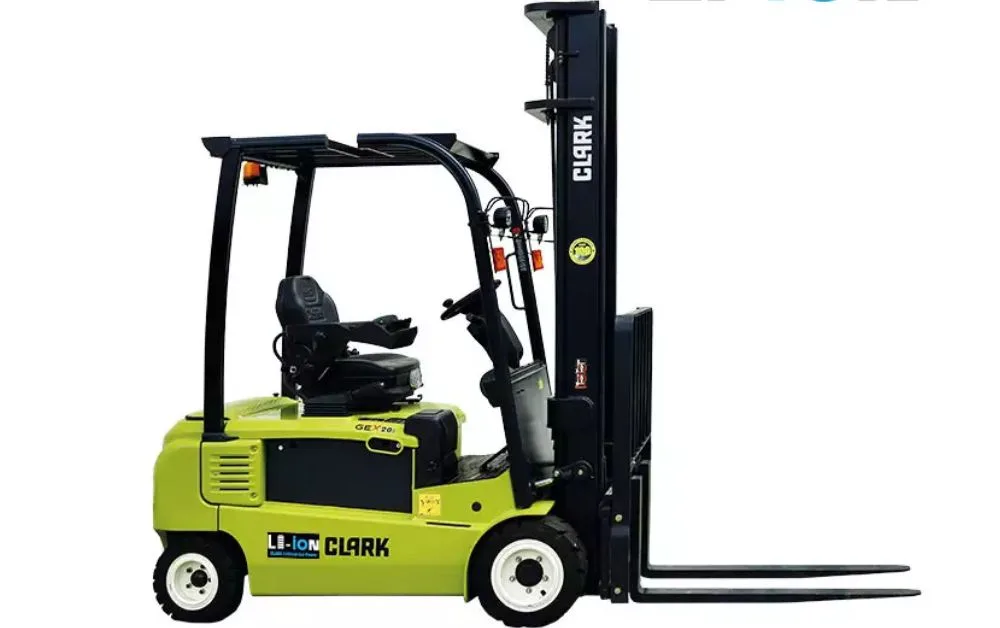
Kenya’s manufacturing, agricultural processing, and distribution sectors operate across a wide range of facility types and environments — from modern Nairobi industrial parks with excellent electrical infrastructure to remote agri-processing facilities where power supply is unreliable and operational flexibility is paramount. For operators across this diverse landscape, sourcing from specialist LPG powered forklift trucks suppliers in Kenya provides access to a proven, versatile materials handling technology that addresses specific operational challenges more effectively than either diesel or electric alternatives in a significant range of Kenya applications.
The Operational Niche Where LPG Excels
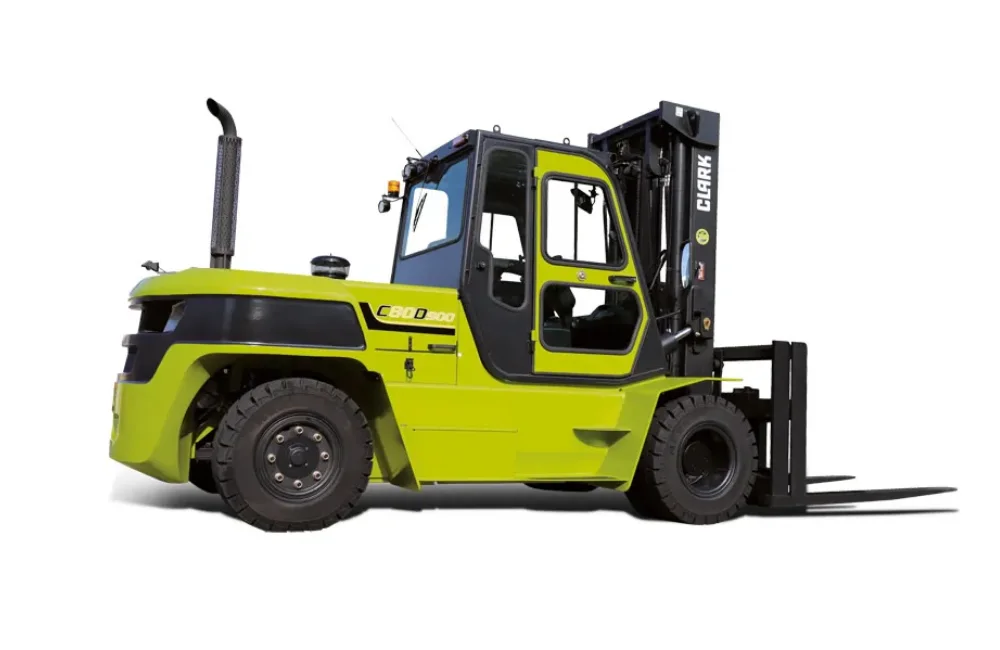
LPG counterbalance forklifts have maintained consistent relevance in Kenya’s materials handling market for decades precisely because they serve a specific operational niche with genuine advantages. In facilities where electrical infrastructure is inadequate for reliable high-current battery charging — common across Kenya’s industrial outskirts and agricultural processing zones — LPG eliminates the dependency on grid power quality that electric trucks require. In mixed indoor-outdoor operations where the forklift must transition freely between enclosed warehouse areas and open yard storage, LPG provides clean enough combustion for semi-enclosed indoor use while remaining fully effective in outdoor conditions, unlike electric trucks whose performance is unaffected by weather but whose batteries face reduced performance in cold night temperatures. For operations requiring continuous multi-shift operation without recharging downtime, rapid LPG cylinder exchange — typically under five minutes — provides an operational continuity advantage that lead-acid battery electric trucks simply cannot match.
LPG Performance Characteristics
LPG powered forklifts deliver consistent, strong performance across the full operational shift — there is no equivalent of the progressive performance degradation that lead-acid battery electric trucks experience as battery charge depletes. Engine torque and hydraulic lifting performance remain constant from the first shift minute to the last, which matters significantly for operations with demanding peak throughput periods that coincide with the latter portions of shifts. LPG engines are also responsive to varying load demands in a way that early-generation electric trucks cannot fully replicate, making them a preferred specification for some experienced operators handling particularly varied load types and weights across a single shift.
Read more-How LPG Powered Forklift Trucks Help Reduce Operating Costs
Load Capacity Range for Kenya Applications
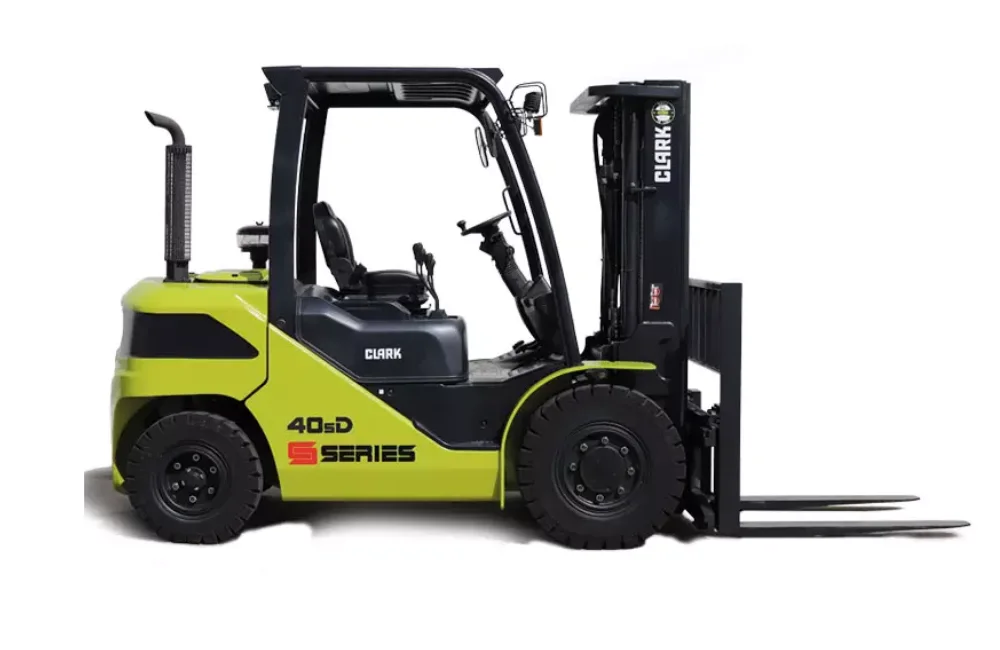
LPG counterbalance forklifts available through forklift suppliers in Kenya cover the full range of standard warehouse and manufacturing load handling requirements — from 1.5 tonne capacity machines suitable for general warehousing and light manufacturing through to 7 tonne and larger machines for heavy industrial and logistics applications. This capacity range ensures that an LPG solution is available for virtually every standard Kenya materials handling requirement. For operations handling standardised palletised loads of 1 to 3 tonnes, the most common capacity range, the selection of available LPG models is particularly wide, enabling precise specification matching to the actual load profile.
Total Cost of Ownership in Kenya’s Market
The total cost of ownership comparison between LPG, diesel, and electric forklifts in Kenya reflects the country’s specific fuel pricing, electricity tariff, and maintenance infrastructure realities. LPG fuel costs in Kenya are competitive relative to diesel per unit of energy, and LPG engines typically have lower emission-related maintenance costs than diesel engines operating in Kenya’s urban air quality environments where tighter emission standards are increasingly being enforced. Compared to electric alternatives, LPG avoids the significant capital cost of battery replacement — typically required every two to three years for intensive lead-acid operations — and the electrical infrastructure investment that multi-truck charging operations require. For Kenya operations where the combination of operational flexibility, consistent performance, and manageable total cost matters more than minimum fuel consumption, LPG forklifts represent a compelling and commercially proven specification choice.
After-Sales Service Considerations
LPG forklift engines share significant mechanical architecture with automotive petrol and LPG engines, meaning that service components including spark plugs, ignition systems, air filters, and many engine consumables are widely available through Kenya’s well-developed automotive parts supply network. This component availability advantage means that routine maintenance for LPG powered forklifts can often be supported more easily in remote Kenya locations than for more specialised diesel forklift engine variants. Brand-specific components — carburettors, LPG regulator systems, and transmission components — still require support from the brand’s authorised service network, making the selection of an LPG powered forklift brand with a well-established Kenya service presence a primary procurement consideration.