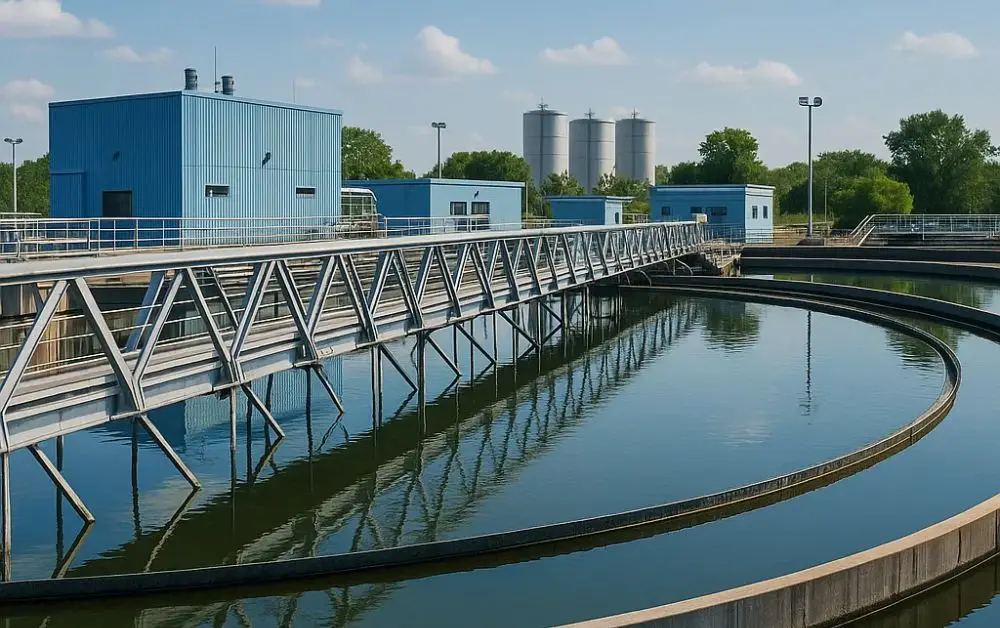
Managing wastewater responsibly is a growing priority for businesses, municipalities, and industrial facilities around the world. Among the many available treatment technologies, the Sequencing Batch Reactor — more commonly known as the SBR wastewater treatment system — has established itself as one of the most effective and flexible solutions in use today. Its ability to deliver high-quality treatment in a compact and adaptable design has made it a preferred choice across a wide range of applications. In this blog, we explore the key features that make SBR systems so effective and why they continue to be a leading option for wastewater management.
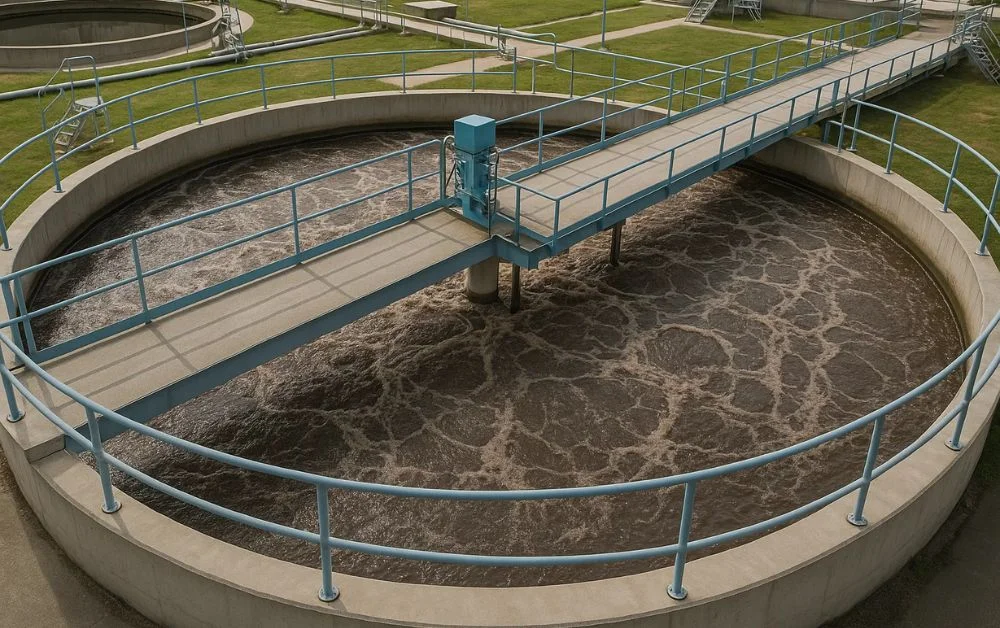
What Is an SBR Wastewater Treatment System?
An SBR system treats wastewater through a series of timed cycles that all take place within a single reactor tank. Unlike conventional continuous-flow treatment systems that require multiple separate tanks for different stages of treatment, an SBR completes all treatment steps — filling, biological reaction, settling, and decanting — in one vessel. This cyclical, batch-based approach gives the system remarkable flexibility and control over the treatment process, making it adaptable to a wide range of wastewater types and volumes.
Key Features That Make SBR Systems Highly Effective
1. Flexible Cycle Control
One of the most significant advantages of an SBR system is its ability to be programmed and adjusted based on the characteristics of the incoming wastewater. The duration of each cycle phase — filling, aeration, settling, and decanting — can be modified to handle changes in wastewater composition or volume. This makes SBR systems particularly well suited to facilities where wastewater loads fluctuate throughout the day or between seasons, such as food processing plants, hotels, and municipalities with variable population loads.
2. Excellent Effluent Quality
SBR systems are capable of producing effluent that meets stringent quality standards. They effectively remove biochemical oxygen demand (BOD), chemical oxygen demand (COD), suspended solids, and nutrients including nitrogen and phosphorus. This high level of treatment makes the effluent suitable for safe discharge into receiving water bodies or, in some cases, for beneficial reuse in irrigation or industrial applications. The quality of treatment achieved is consistently comparable to or better than many multi-tank conventional systems.
3. Biological Nutrient Removal
A particularly valuable feature of SBR systems is their ability to achieve biological nitrogen and phosphorus removal without the need for additional chemical dosing. By alternating between aerobic conditions during the aeration phase and anoxic conditions during other phases, the system naturally encourages the biological processes that convert and remove these nutrients. This reduces the need for chemical additions, which lowers operating costs and minimizes the environmental impact of the treatment process.
4. Compact Single-Tank Design
Because all treatment stages occur in one tank, SBR systems have a significantly smaller physical footprint than conventional multi-unit treatment plants. This is a major advantage for industrial facilities, resorts, schools, and other locations where available land is limited. A more compact system is also simpler to construct, which generally reduces installation time and initial capital costs.
Also Read-The Benefits of Installing a Commercial Water Purification System for Your Facility
5. Energy-Efficient Operation
In a conventional continuous-flow system, aeration equipment must run at all times to maintain oxygen levels. In an SBR system, the aeration blowers only operate during the reaction phase of each cycle. This intermittent operation results in meaningful energy savings over time. For large facilities treating significant volumes of wastewater daily, these savings can represent a substantial reduction in operating costs across the year.
6. Easy Scalability
If the volume of wastewater that needs to be treated grows over time, an SBR system can be scaled up by adding additional reactor units alongside the existing installation. This modular approach means businesses do not need to replace the entire system when their capacity needs change — they simply add more capacity. This scalability makes SBR a future-ready investment that can grow alongside the organization.
7. Reduced Sludge Generation
Compared to many other biological treatment processes, SBR systems typically produce less excess sludge. This is significant because sludge handling, dewatering, transportation, and disposal are all associated with real costs. Generating less sludge means lower overall operating costs and a reduced burden on waste management logistics, which is particularly beneficial for facilities in areas where sludge disposal options are limited or expensive.
Applications Where SBR Systems Excel
- Industrial facilities with variable or seasonal wastewater production
- Food and beverage processing plants
- Hotels, resorts, and large hospitality developments
- Schools, hospitals, and institutional facilities
- Municipal wastewater treatment in towns and peri-urban areas
- Agricultural and aquaculture operations
Conclusion
The SBR wastewater treatment system stands out from competing technologies because of its flexibility, excellent treatment quality, compact design, energy efficiency, and cost-effective scalability. These features combine to make it one of the most practical and reliable options for a wide range of wastewater management challenges. For any business or organization looking for a solution that delivers consistent results while keeping operating costs manageable, the SBR system is well worth serious consideration as a long-term investment in responsible water management.