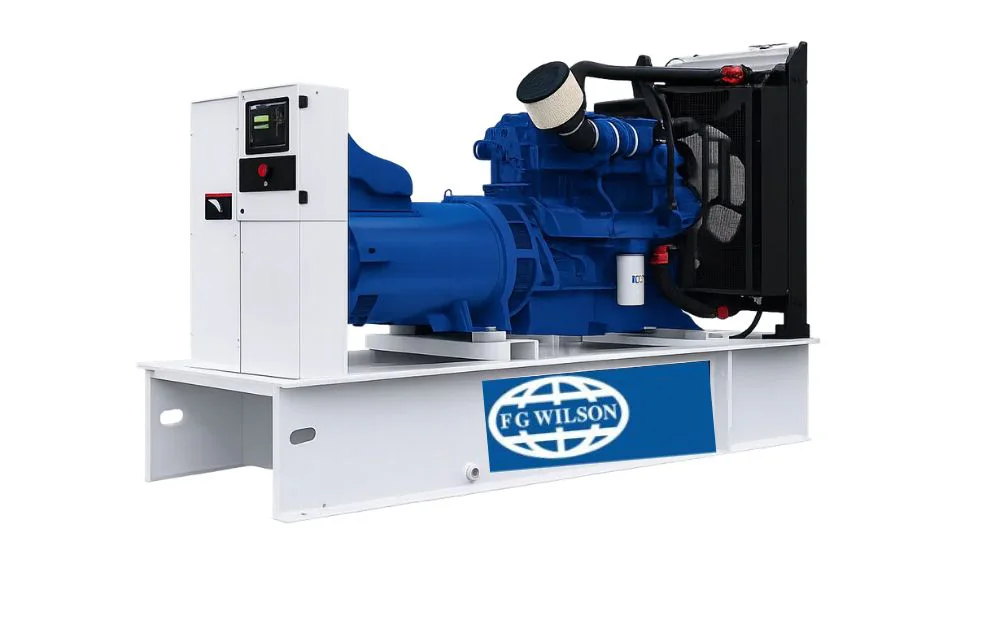
Kenya’s frequent grid power interruptions have made diesel generator backup a business operational necessity across the commercial and industrial sector. Yet the generator set itself represents only one component of a reliable backup power installation — the enclosure that houses, protects, attenuates noise from, and manages the operational environment of the generator is equally critical to long-term system reliability, safety, community relations, and regulatory compliance. Working with an experienced Generator Set Enclosures supplier in Kenya to specify and install an enclosure that is genuinely fit for purpose is an investment that delivers dividends across the full operational life of the backup power system.
Weather Protection in Kenya’s Climate
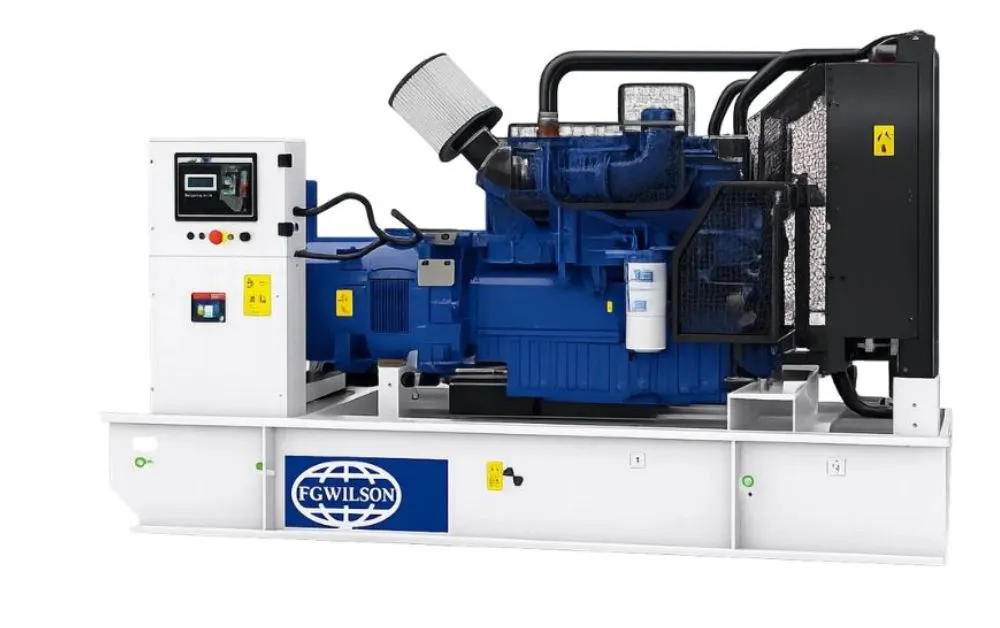
Kenya’s climate presents generator installations with multiple distinct environmental stresses that a well-engineered enclosure must manage simultaneously and effectively. The long rains of April to June and short rains of October to December bring sustained heavy rainfall that can penetrate inadequately sealed enclosures, causing corrosion of generator components, electrical system deterioration, and control system malfunctions that are both expensive to repair and operationally disruptive when they cause generator unavailability during grid outages. High ambient temperatures, particularly in the drier highland and semi-arid regions, create thermal management challenges for enclosed generators that must be addressed through careful ventilation airflow design — ensuring sufficient cooling air volume across the generator heat exchanger while preventing rain ingress. Coastal locations add salt-laden marine air to the environmental stress profile, requiring corrosion-protected enclosure construction and hardware specifications that inland installations may not need.
Noise Attenuation: A Commercial Necessity
Generator noise management has become an increasingly important commercial and regulatory consideration for Kenya businesses operating generators in populated areas. Standard open generator sets produce noise levels of 95 to 105 decibels measured at one metre — sound levels that create significant and legally actionable disturbance for neighbouring residential and commercial occupants, particularly during extended overnight operation when background noise levels are lowest. Kenya’s environmental management regulations set noise limits for commercial premises that standard open generator sets routinely exceed during operation. Quality acoustic enclosures reduce generator noise output to 65 to 75 decibels at one metre — a reduction of 30 decibels or more that transforms the sound character from a heavy industrial noise to a level comparable to a quiet office environment. For any Kenya business operating a generator in proximity to residential neighbours, adjacent businesses, or in areas where planning authorities and county governments enforce environmental noise standards, an acoustic enclosure is not optional — it is a compliance requirement and a community relations necessity.
Additional resources-How Diesel Generator Manufacturers Are Adapting to Eco-Friendly Power Solutions?
Generator Protection Systems
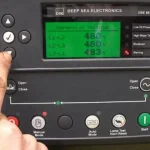
Modern generator set enclosures incorporate integrated generator protection systems that go far beyond simple housing to provide complete automated management of the generator’s operation. Engine protection systems monitor oil pressure, coolant temperature, fuel level, and battery voltage continuously, generating visible and audible alarms for developing problems and initiating protective shutdowns before developing conditions cause costly engine damage. Automatic starting controls, integrated with the building’s automatic transfer switch, ensure that the generator starts, reaches stable output, and transfers the building load without manual intervention when grid power fails. Remote monitoring interfaces — increasingly standard in quality enclosure packages — allow facility managers to check generator operational status, fuel level, recent alarm history, and system health from a mobile phone or facility management platform without physical site attendance, transforming remote generator management from a reactive to a proactive operational discipline.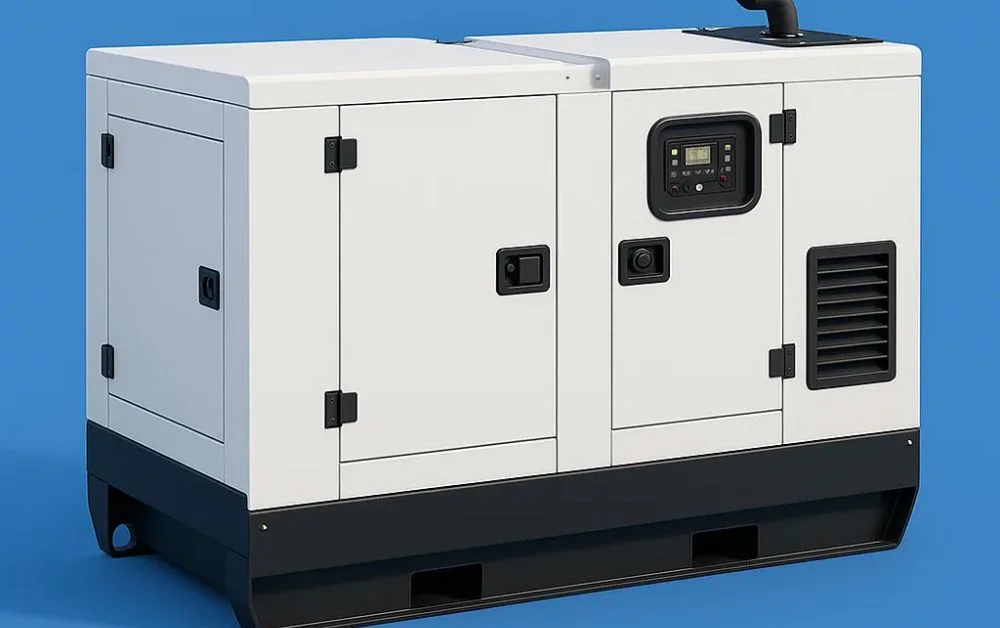
Security and Anti-Theft Design
Generator sets and their associated diesel fuel represent significant capital assets that are targeted for theft in some Kenya locations. Quality generator enclosures address this risk through robust construction using heavy-gauge steel panels, multi-point locking systems with hardened steel padlocks or integrated key-operated cam locks, anti-pry door edge design that resists lever-based forced entry, and fuel tank access controls that prevent fuel siphoning. For installations in higher-risk locations, additional security integrations including alarm system interfaces, motion-activated lighting, CCTV mounting provisions, and perimeter protection recommendations provide a more comprehensive security layer that passive enclosure construction alone cannot achieve.