Water management is one of the most critical and challenging aspects of running a successful mining operation. Whether you are dealing with groundwater infiltrating underground tunnels, rainwater accumulating in open pits, or slurry that needs to be moved through a processing facility, the wrong pump can cause serious delays and costly equipment failures. Not all pumps are built to handle the harsh realities of a mining environment. As a reliable mining pumps supplier in Kenya, Blackwood Hodge (Kenya) Ltd understands the demands that mining operations place on water management equipment. This blog explores the types of mining pumps that perform best in heavy-duty applications and what you should look for when selecting one.
Why Standard Pumps Are Not Enough for Mining
Mining environments are uniquely demanding. The water you are dealing with is rarely clean — it often contains abrasive particles, fine sediment, chemical compounds from ore processing, and other contaminants that would quickly destroy a standard pump. Additionally, pumps in mining are often required to run continuously for extended periods, sometimes in locations that are difficult to access for maintenance. This combination of abrasive content, continuous operation, and challenging access conditions means only purpose-built mining pumps are truly fit for the job.
Best Pump Types for Heavy-Duty Mining Applications
1. Submersible Dewatering Pumps
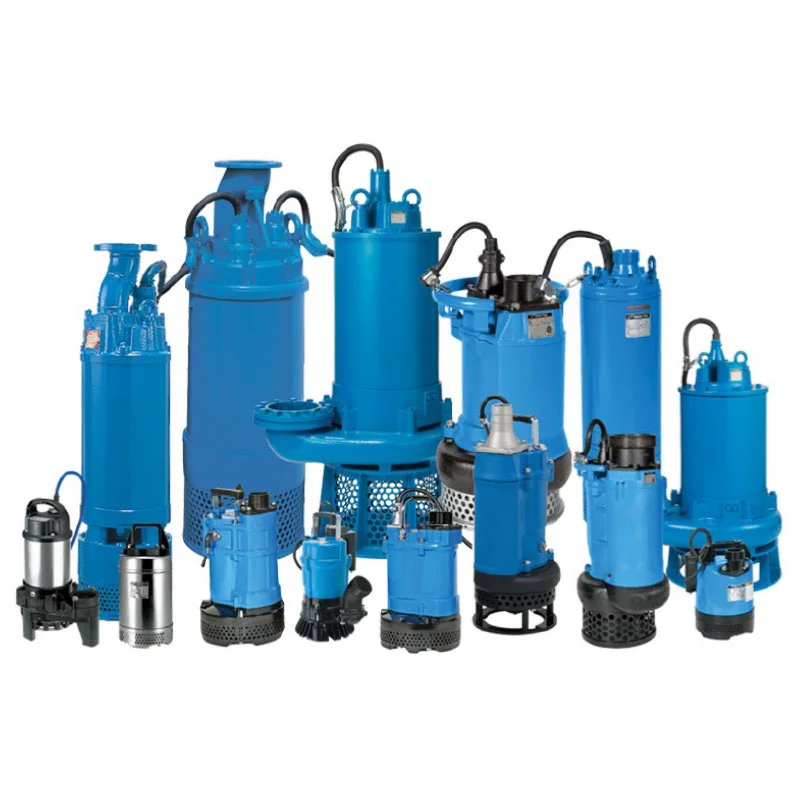
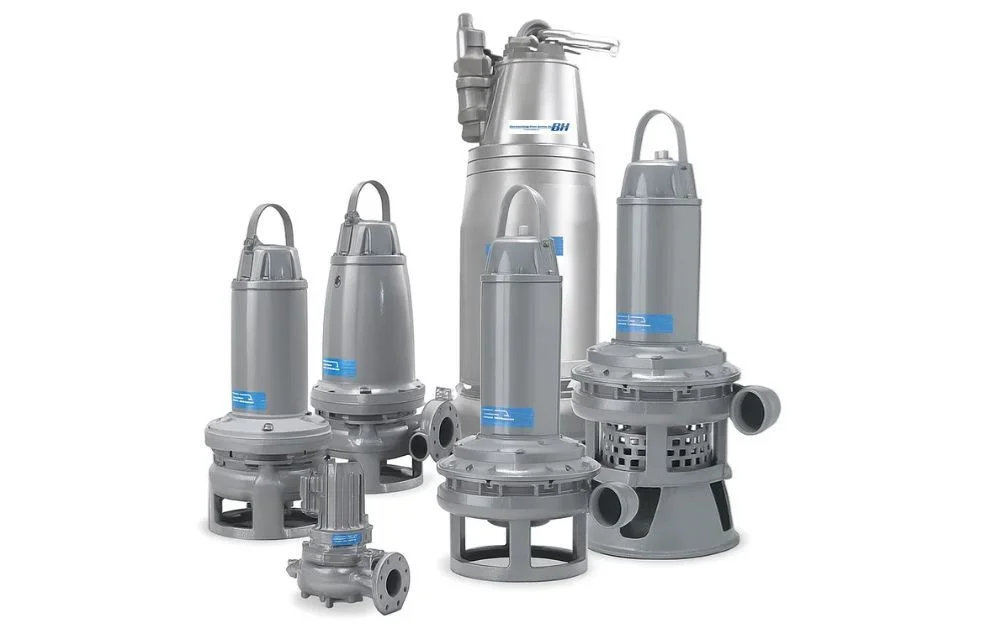
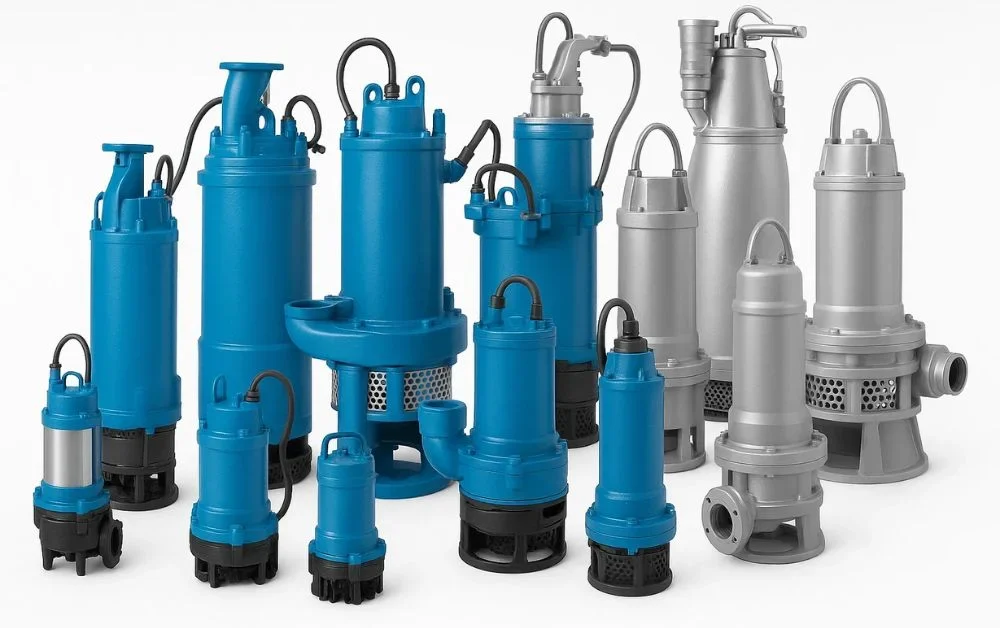
Submersible dewatering pumps are placed directly into the water and pump it upward to the surface. They are excellent for removing large volumes of groundwater from underground shafts, mine sumps, and flooded excavation areas. Because the motor is sealed and submerged alongside the pump, there is no risk of the pump losing its prime, which makes them reliable in applications where water levels fluctuate. They are also compact and can be lowered into tight spaces that surface-mounted pumps cannot reach.
2. Centrifugal Slurry Pumps
When the liquid being pumped contains a high concentration of solid particles — such as sand, gravel, fine ore, or tailings — centrifugal slurry pumps are the most appropriate choice. These pumps are built with wear-resistant components, typically made from high-chrome alloys or rubber linings, that can withstand constant contact with abrasive materials. They are widely used in ore processing, tailings management, and transport of slurry between processing stages. Using a standard centrifugal pump in slurry applications would result in rapid wear and frequent replacement.
3. Vertical Turbine Pumps
Vertical turbine pumps are designed for applications where the water source is deep below the surface and the pump motor must remain at ground level. They are frequently used in large-scale mine dewatering operations where submersible pumps alone are insufficient, and where a consistent, high-volume water extraction rate is required. Their vertical configuration also means they take up minimal floor space on the surface, which is valuable in busy mine surface areas.
4. Horizontal Split Case Pumps
For applications requiring very high flow rates over long distances — such as pumping dewatered groundwater away from a mine site to a discharge point — horizontal split case pumps are an excellent option. Their design allows them to handle large volumes of water efficiently and with minimal downtime. One of their most practical advantages is that the casing can be opened without disturbing the pipe connections, making routine maintenance and impeller inspection significantly easier.
5. Diaphragm Pumps
Diaphragm pumps are particularly useful in applications where the water contains large solid particles or debris that would block or damage other pump types. They are also ideal for dry-running situations, where the pump may temporarily lose prime due to changing water levels. Their simple design makes them easy to maintain, and they are commonly used in surface dewatering and site drainage applications.
Explore more-Top Challenges in Mining Operations and How Pumps Solve Them
Key Selection Criteria for Mining Pumps
Choosing the right pump for your specific application requires careful consideration of several factors:
- Nature of the fluid — is it clean water, muddy water, or abrasive slurry?
- Solid particle size and concentration — determines the required pump material and design
- Required flow rate and discharge head — ensures the pump can move the volume needed at the required pressure
- Installation environment — underground, open pit, or surface level affects pump type and mounting
- Duty cycle — will the pump run continuously or intermittently?
- Availability of spare parts and local service support — critical for minimizing downtime in remote locations
The Value of After-Sales Support in Mining
Even the most robust pump will eventually require maintenance or replacement parts. In a mining environment where downtime is extremely costly, the speed at which you can get a pump back online matters enormously. Working with a supplier that has trained technicians, a local spare parts inventory, and rapid response capability is just as important as the quality of the pump itself. A pump failure that shuts down a mine section for days is far more expensive than investing in a premium product from a supplier with strong after-sales support from the start.
Conclusion
Selecting the best mining pump for your heavy-duty application comes down to understanding exactly what the pump will face in operation and matching those demands with the right technology and materials. From submersible dewatering pumps for flooded shafts to centrifugal slurry pumps for ore processing, each type serves a specific purpose that cannot easily be substituted. As a trusted mining pumps supplier in Kenya, Blackwood Hodge (Kenya) Ltd provides the expert guidance and product range to help mining operations across the region make the right pump investment and keep their water management running smoothly.