
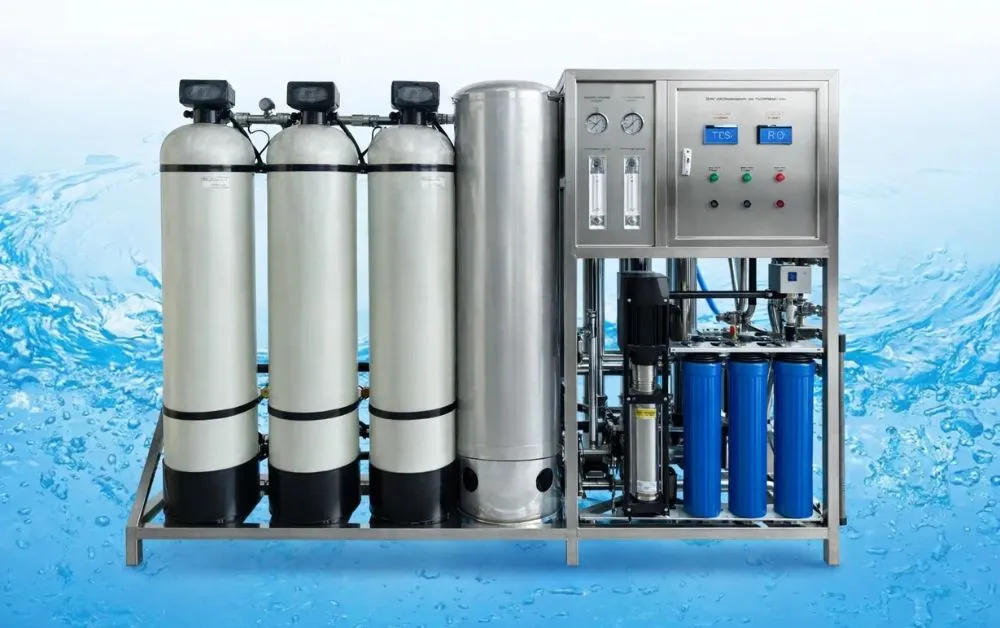
Many businesses do not realise how much money they are quietly losing because of poor water quality. From damaged equipment and increased maintenance bills to product quality failures and regulatory fines, untreated water creates hidden costs that accumulate over time. Investing in commercial water purification systems in Kenya is increasingly being recognized not just as an operational necessity but as a smart financial decision. Blackwood Hodge (Kenya) Ltd provides reliable water purification solutions that help businesses across Kenya improve their water quality while reducing their long-term costs. In this blog, we examine the specific ways that a commercial water purification system can save your business money.
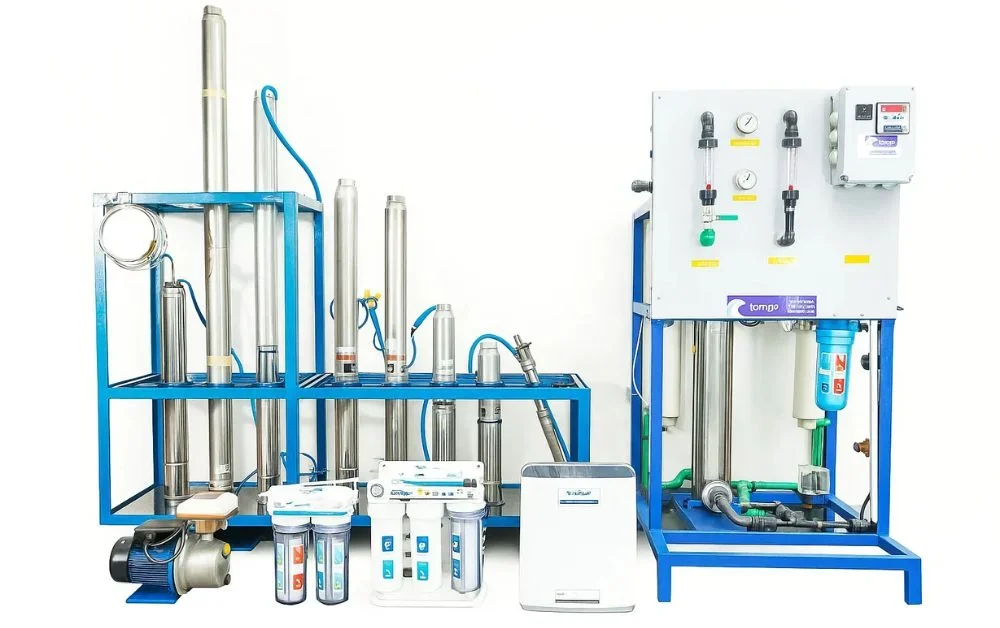
The Hidden Cost of Poor Water Quality
Businesses that do not treat their water supply often face a range of costly problems that are easy to overlook individually but add up significantly over time. Hard water leaves mineral deposits inside boilers, heat exchangers, and pipework. These deposits act as insulation, forcing heating systems to work harder and consume more energy to achieve the same result. Over months and years, this leads to noticeably higher electricity bills. At the same time, the buildup causes physical damage to equipment internals, shortening the lifespan of assets that cost hundreds of thousands of shillings to replace.
How Commercial Water Purification Systems Reduce Costs
1. Protecting Equipment from Scale and Corrosion
One of the most immediate and measurable cost benefits of water purification is the protection it offers to industrial equipment. When minerals such as calcium and magnesium are removed from water before it enters your systems, scale cannot form inside boilers, cooling towers, heat exchangers, or pipework. This extends the operational life of these assets, reduces the frequency of maintenance interventions, and prevents the costly emergency repairs that arise when scale buildup causes blockages or overheating. Many businesses that install water treatment systems report a dramatic reduction in equipment-related maintenance costs within the first year.
2. Reducing Energy Consumption
As mentioned above, mineral scale forces heating and cooling systems to work harder. Even a small thickness of scale on a heat exchanger surface can increase energy consumption significantly. Purified water keeps heat transfer surfaces clean and efficient, which means your heating and cooling equipment operates at its designed efficiency. The resulting reduction in energy bills can be substantial, particularly for businesses that run boilers or cooling systems continuously.
3. Eliminating the Cost of Externally Purchased Water
Many businesses in Kenya — particularly in hospitality, food production, and healthcare — spend considerable amounts purchasing bottled water or externally treated water for their operations. A commercial water purification system installed on-site means you produce clean, treated water directly from your own source, completely eliminating this recurring cost. The savings from no longer purchasing bottled or externally treated water alone are often enough to justify the investment in the purification system within a few years.
See also-The Benefits of Installing a Commercial Water Purification System for Your Facility
4. Improving Product Quality and Reducing Waste
For businesses in food and beverage production, purified water directly affects the taste, consistency, and safety of the final product. Poor water quality leads to product batches that fail quality checks, resulting in wastage and the cost of reprocessing or disposal. Clean, consistently treated water reduces rejection rates, improves product consistency, and builds a stronger reputation with customers. Over time, this also reduces the cost associated with product recalls or quality disputes.
5. Reducing Downtime
Unplanned equipment downtime is one of the most expensive events in any manufacturing or production environment. When water-related issues cause equipment failures, production stops, labour costs continue, and delivery commitments are missed. A water purification system prevents the most common water-related causes of equipment failure, which means fewer unplanned shutdowns and more consistent production schedules.
Industries That Benefit Most
While virtually every business that uses water can benefit from purification, the following industries see particularly strong returns:
- Manufacturing — protects boilers, cooling systems, and process equipment
- Hospitality — delivers clean water for cooking, laundry, swimming pools, and guest use
- Healthcare — maintains the strict hygiene standards required in medical and laboratory settings
- Food and beverage production — ensures consistent product quality and regulatory compliance
- Agriculture — provides clean irrigation water that improves crop health and yield
Choosing the Right System for Your Business
The right purification system depends on your water source, the volume of water your business uses daily, the specific contaminants present, and your budget. A proper water quality assessment before installation ensures the system is designed to address your actual water challenges rather than a generic solution. Working with an experienced supplier who can conduct this assessment and recommend the most appropriate technology is an important first step.
Conclusion
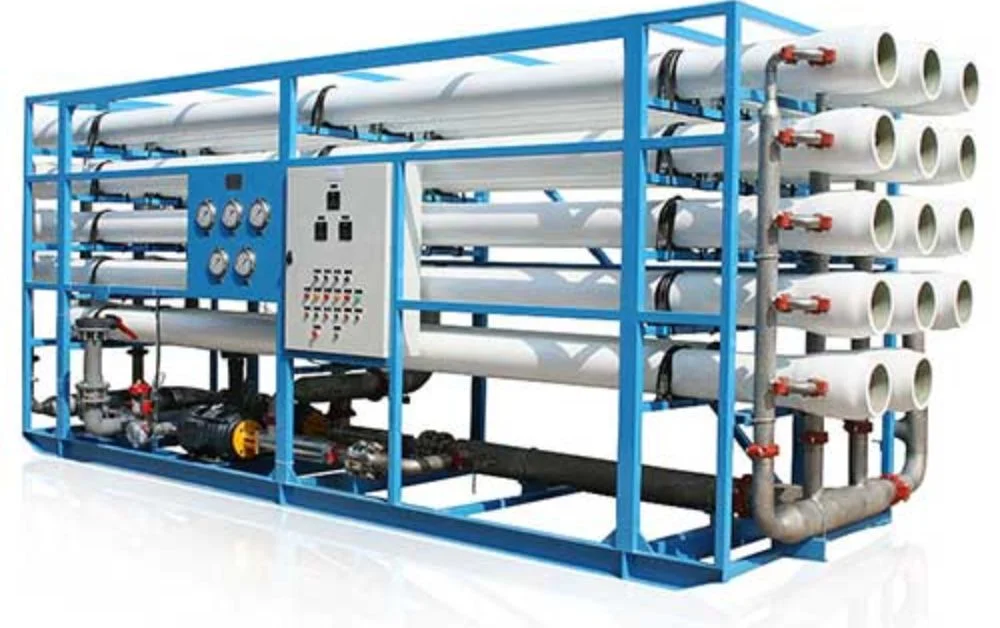
Investing in commercial water purification systems in Kenya is a decision that pays off in multiple ways — through reduced equipment maintenance, lower energy bills, elimination of purchased water costs, improved product quality, and fewer instances of costly downtime. The financial case for clean water is clear and compelling. Blackwood Hodge (Kenya) Ltd provides dependable water purification solutions tailored to the needs of businesses across Kenya, backed by expert guidance and strong after-sales support to ensure you get the most from your investment.


Pingback: Commercial Water Purification Systems in Kenya for Clean, Reliable Water Supply