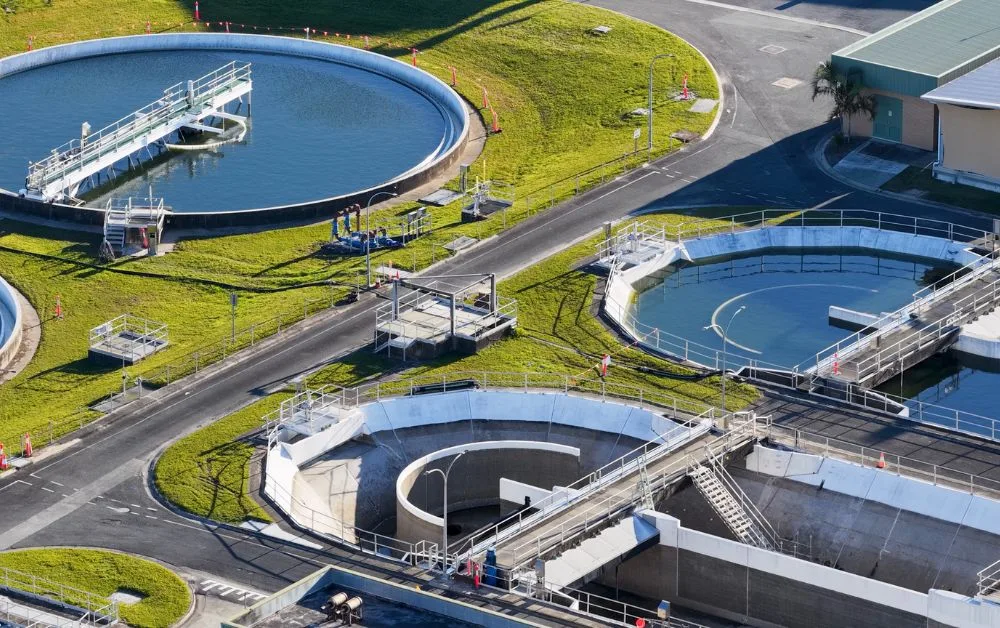
Kenyan businesses that generate wastewater face a growing need to treat that water properly before it is discharged or reused. Regulatory pressure, water scarcity, and the simple cost of clean water all push industries toward treatment technologies that are effective, compact, and easy to operate. Among the available options, the SBR wastewater treatment system stands out as one of the most practical solutions for businesses in Kenya, offering high treatment quality without demanding a large site footprint or a complex operating team. Blackwood Hodge (Kenya) Ltd designs, supplies, and supports SBR wastewater treatment systems for clients across Kenya’s industrial and institutional sectors.

What Is an SBR System and How Does It Work
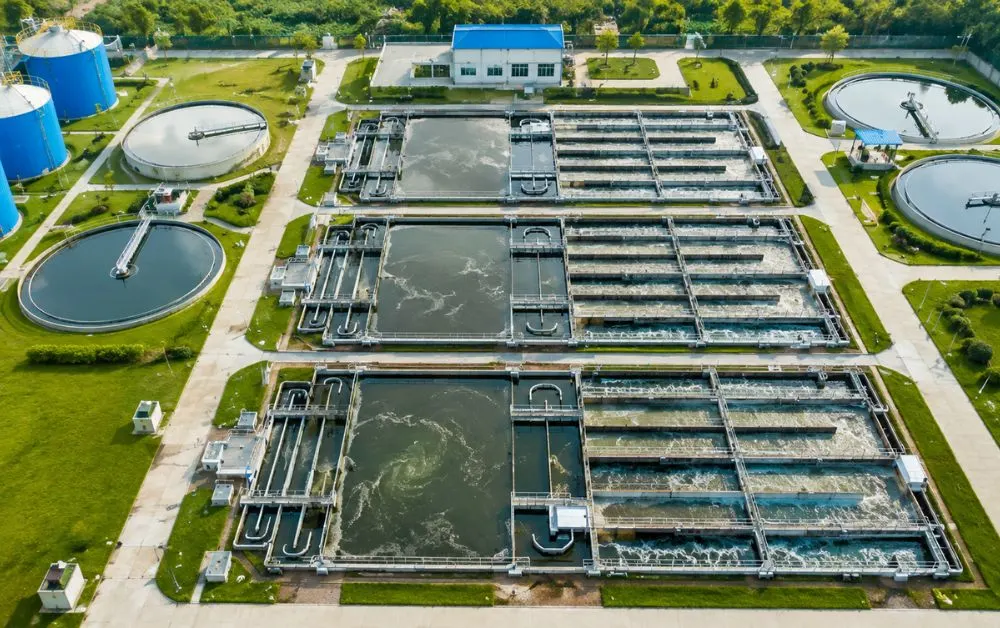
SBR stands for Sequencing Batch Reactor, a wastewater treatment approach that carries out all the main treatment steps — filling, aeration, settling, and decanting — within a single tank, one after another in a repeating cycle. This differs from conventional continuous-flow treatment plants, which need separate tanks for each stage of the process. Because an SBR system handles wastewater in batches within one tank, it needs a smaller footprint than an equivalent continuous system, which matters for sites where space is limited or expensive.
Why Kenyan Businesses Choose SBR Technology
Several factors make SBR wastewater treatment systems an attractive choice for Kenyan operations. The compact footprint suits sites where land is limited or costly, particularly in urban and peri-urban industrial areas. The system handles variable flow rates well, which matters for businesses whose wastewater generation changes through the day or across seasons. Treatment quality is consistently high, often meeting the effluent discharge standards that Kenyan regulators require for release into water bodies or sewer systems. And because the system operates in automated cycles, it needs less continuous operator attention than some alternative technologies.
Applications Across Kenyan Industries
SBR systems suit a wide range of applications in Kenya. Food and beverage processing facilities use them to treat wastewater containing organic matter from washing, processing, and cleaning operations. Hotels and hospitality developments use containerized SBR systems to treat wastewater on site where connection to municipal sewer infrastructure is unavailable or impractical. Residential estates and gated communities increasingly install SBR systems to treat domestic wastewater for safe discharge or reuse in irrigation. Industrial parks and commercial developments use larger SBR installations to handle combined wastewater streams from multiple tenants.
System Design Considerations
Getting the right SBR system for a specific site depends on several factors that need careful assessment before installation:
- The volume and variability of wastewater the site actually generates
- The specific pollutant load and organic content of the wastewater
- The discharge standard the treated water must meet before release
- Available space and site access for installation and future maintenance
- Whether the treated water will be discharged, reused for irrigation, or used for other non-potable purposes on site
Blackwood Hodge (Kenya) Ltd carries out this assessment for each client before recommending a specific SBR system configuration, ensuring the solution matches actual operating conditions rather than a generic specification.
See also-Key Features That Make SBR Wastewater Treatment Effective
Operation and Maintenance of SBR Systems
An SBR system performs reliably when it receives proper ongoing care. Routine maintenance includes checking aeration equipment, monitoring sludge levels, calibrating control systems, and testing effluent quality against required standards. Because the system operates on automated cycles controlled by programmable logic, periodic checks of the control panel and sensors are important to catch any drift in performance before it affects treatment quality. Blackwood Hodge (Kenya) Ltd offers maintenance support for SBR systems it supplies, helping clients keep their treatment plants performing at the standard required for ongoing regulatory compliance.
Regulatory Compliance and Environmental Benefits
Kenya’s environmental regulators expect industries to treat wastewater to defined standards before discharge, and an SBR wastewater treatment system, correctly sized and maintained, gives businesses a dependable way to meet those requirements. Beyond compliance, treating wastewater properly protects local water bodies and groundwater from contamination, supporting the broader environmental responsibility that Kenyan businesses increasingly need to demonstrate to regulators, communities, and customers alike.
Comparing SBR Systems to Other Treatment Technologies
Businesses evaluating wastewater treatment options often compare SBR technology against conventional activated sludge plants or simpler options like septic systems and soakaways. Conventional continuous-flow plants can achieve similar treatment quality to an SBR system, but they typically need more tanks, a larger site footprint, and more complex piping arrangements to separate the different treatment stages. Septic systems and soakaways, while cheaper to install, generally cannot match the treatment quality or handle the wastewater volumes that a growing commercial or industrial operation produces, and they carry a higher risk of failing to meet discharge standards as demand increases. For businesses that need reliable, high-quality treatment within a limited footprint, SBR technology usually offers the best balance of performance, space efficiency, and manageable operating complexity.
Planning for Future Growth
Businesses installing wastewater treatment infrastructure should think beyond their current needs to how their operations might grow over the coming years. An SBR system can often be designed with modular capacity in mind, allowing additional treatment cycles or expanded tank capacity to be added later as wastewater volumes increase, rather than requiring a completely new system when the original installation is outgrown. Planning for this kind of expansion at the design stage, even if the additional capacity is not installed immediately, can save significant cost and disruption later. Blackwood Hodge (Kenya) Ltd discusses growth plans with clients during the initial system design phase so that future expansion remains straightforward.
Conclusion
An SBR wastewater treatment system offers Kenyan businesses a compact, reliable, and regulation-ready way to manage wastewater across a wide range of industries and site conditions. Blackwood Hodge (Kenya) Ltd designs and supports SBR systems suited to each client’s specific wastewater characteristics and site constraints. Contact Blackwood Hodge (Kenya) Ltd today to discuss an SBR wastewater treatment system for your business.