Fire safety is not something any business in Kenya can afford to treat as an afterthought. Warehouses, factories, hotels, hospitals, and commercial buildings all carry fire risks that can threaten lives, property, and business continuity in a matter of minutes. This is why working with experienced fire fighting equipment suppliers in Kenya matters so much. The right equipment, properly installed and maintained, gives people time to evacuate safely and gives a fire a chance to be contained before it spreads. Blackwood Hodge (Kenya) Ltd supplies a full range of fire fighting equipment to businesses across the country, helping them meet safety obligations while protecting what they have built.
Understanding Fire Risk in Kenyan Businesses
Every industry carries its own fire risk profile. Manufacturing plants often store flammable raw materials and run electrical equipment that can overheat. Warehouses hold large quantities of goods that can fuel a fire once it starts. Hotels and hospitals have large numbers of people on site who need clear, fast evacuation routes. Understanding these risks is the first step toward choosing the right protection. A proper fire risk assessment looks at what could ignite a fire, what would allow it to spread, and how quickly people could get out safely. From this assessment, a business can decide exactly what fire fighting equipment it needs.
Core Fire Fighting Equipment for Kenyan Businesses
A well-protected facility usually needs several types of equipment working together, including:
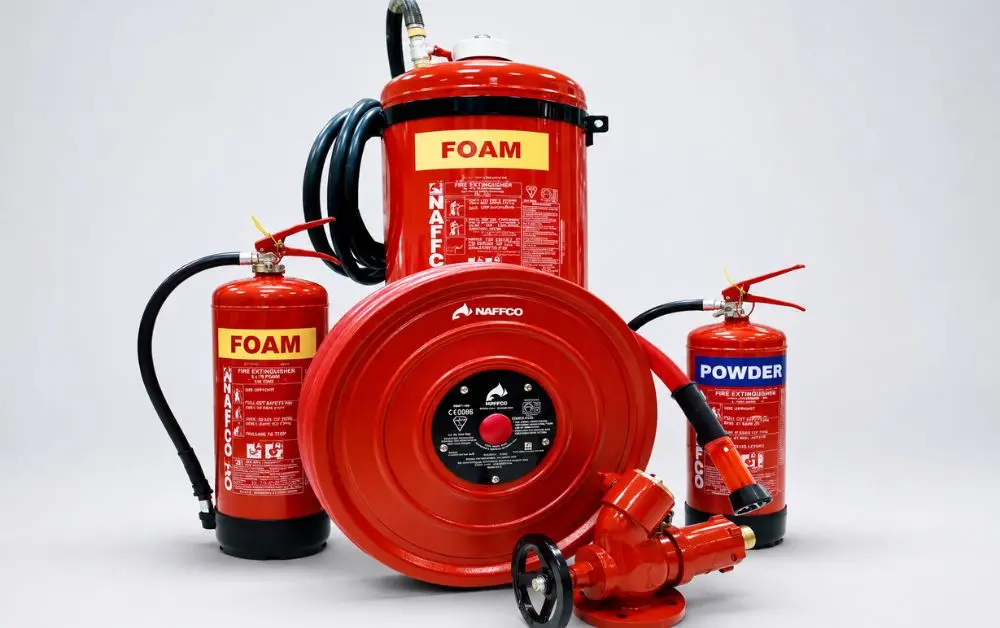
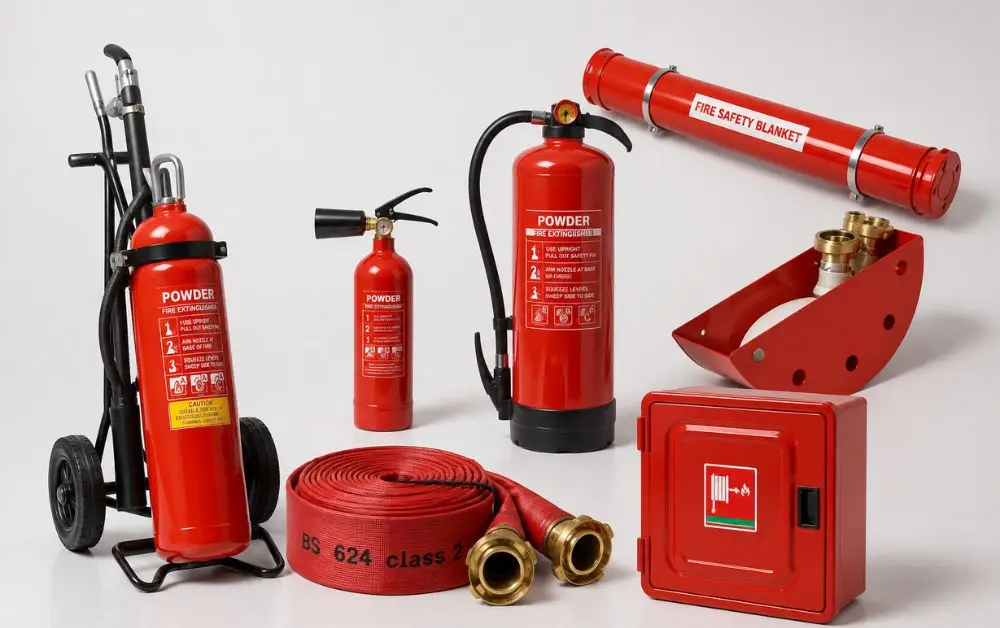
- Fire extinguishers suited to the specific fire risks present, including water, foam, CO2, dry powder, and wet chemical types for different fire classes
- Fire hose reels for larger fires where extinguishers alone are not enough
- Fire hydrant systems for facilities with significant fire load or limited access for external fire services
- Fire blankets for kitchens and areas with cooking equipment
- Fire detection and alarm systems that give early warning so people can act before a fire grows
Choosing between these options depends on the specific building layout, the materials stored or used on site, and the number of people who need to be protected. Blackwood Hodge (Kenya) Ltd helps clients work through these choices so that the final equipment package matches their actual risk rather than a generic standard package.
Fire Extinguisher Selection and Placement
Not every fire extinguisher suits every fire. Using the wrong type can make a fire worse rather than putting it out. Electrical fires need extinguishers that will not conduct electricity back to the person using them. Cooking oil fires need wet chemical extinguishers designed for that specific hazard. Flammable liquid fires need foam or dry powder rather than plain water. Beyond selecting the correct types, placement matters just as much. Extinguishers need to be positioned where people can reach them quickly, clearly signed, and mounted at a height that makes them easy to grab in an emergency. Blackwood Hodge (Kenya) Ltd advises clients on both extinguisher selection and correct placement across their premises.
Read more-What Legal Requirements Must Be Met for Fire Fighting Systems?
Installation, Servicing, and Compliance
Fire fighting equipment that sits unused for years without inspection cannot be trusted to work when it is actually needed. Extinguishers lose pressure, hoses degrade, and alarm systems develop faults that go unnoticed until a real emergency exposes them. Regular servicing — checking pressure levels, inspecting hoses and couplings for damage, testing alarm systems, and replacing equipment that has reached the end of its service life — keeps a fire safety system genuinely ready to perform. Kenyan authorities, including county fire departments and occupational safety regulators, expect businesses to maintain documented fire safety compliance, and properly serviced equipment forms the backbone of that compliance record. Blackwood Hodge (Kenya) Ltd provides installation and ongoing servicing for all the fire fighting equipment it supplies.
Training Staff to Use Fire Fighting Equipment
Equipment on the wall does little good if nobody on site knows how to use it under pressure. Basic fire safety training teaches staff how to recognise different fire types, how to operate an extinguisher correctly, and — just as importantly — when to fight a fire and when to evacuate instead. Regular fire drills reinforce this knowledge so that it becomes second nature rather than something people try to remember for the first time during an actual emergency. Businesses that invest in this training alongside quality equipment give themselves the best possible chance of keeping a small fire from becoming a major loss.
Choosing the Right Fire Safety Partner
Working with an established supplier brings advantages that go beyond the equipment itself. A good supplier understands Kenyan building codes and fire safety regulations, can recommend equipment suited to local conditions, and has the technical capability to service what they sell rather than leaving clients to find support elsewhere once the sale is complete. This ongoing relationship is what turns a one-time equipment purchase into a genuinely reliable fire safety system over the years ahead.
Conclusion
Fire safety deserves careful planning, not guesswork. Working with experienced fire fighting equipment suppliers in Kenya gives businesses the right combination of extinguishers, hose reels, hydrant systems, and detection equipment for their specific risks, backed by proper installation, regular servicing, and staff training. Blackwood Hodge (Kenya) Ltd supplies and supports fire fighting equipment for businesses across Kenya’s industrial, commercial, and hospitality sectors. Contact Blackwood Hodge (Kenya) Ltd today to discuss fire safety equipment and support for your premises.