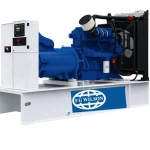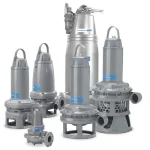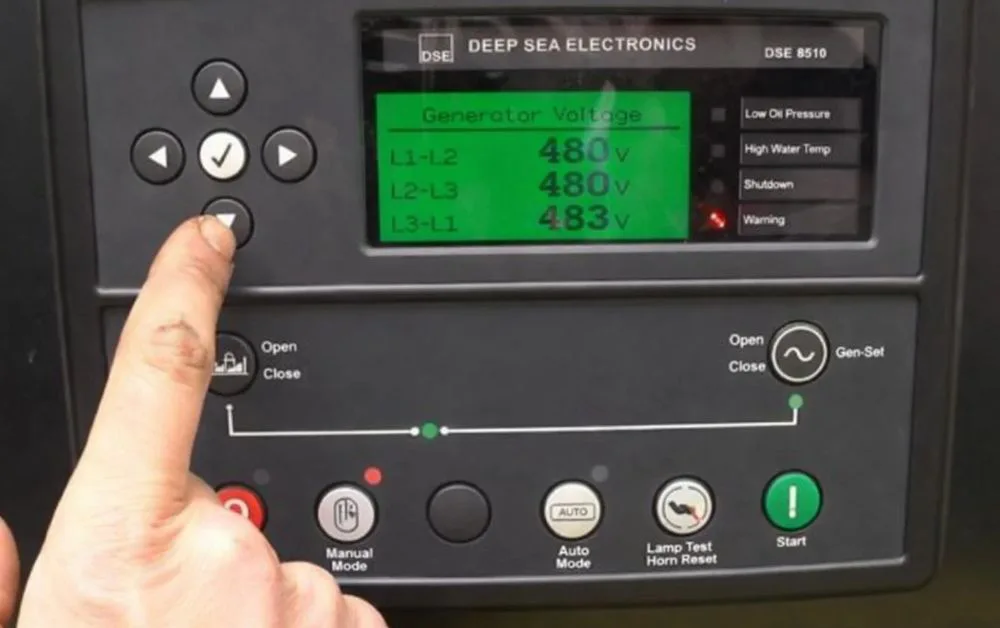
Kenya’s expanding industrial sector — encompassing manufacturing, food and beverage processing, agribusiness operations, water treatment infrastructure, mining and quarrying, and energy generation — depends increasingly on sophisticated electrical control and automation systems to manage production processes safely, efficiently, and to the quality standards that competitive markets demand. Selecting a specialist Control Panel supplier in Kenya who combines genuine engineering capability with quality component sourcing and responsive local service support provides the industrial control infrastructure that modern Kenya operations require to compete effectively and reliably.
What Industrial Control Panels Actually Do
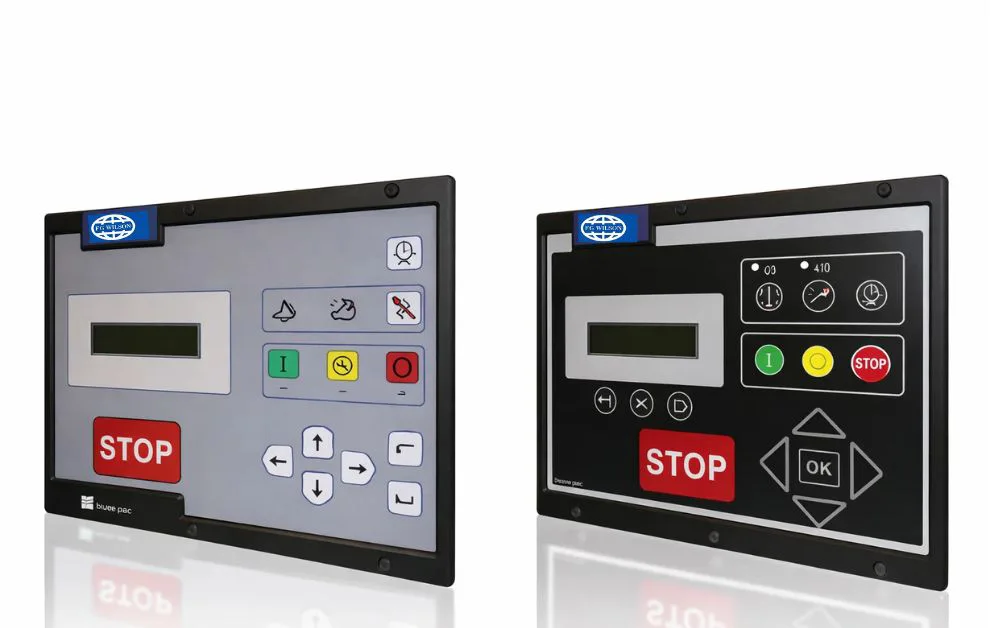
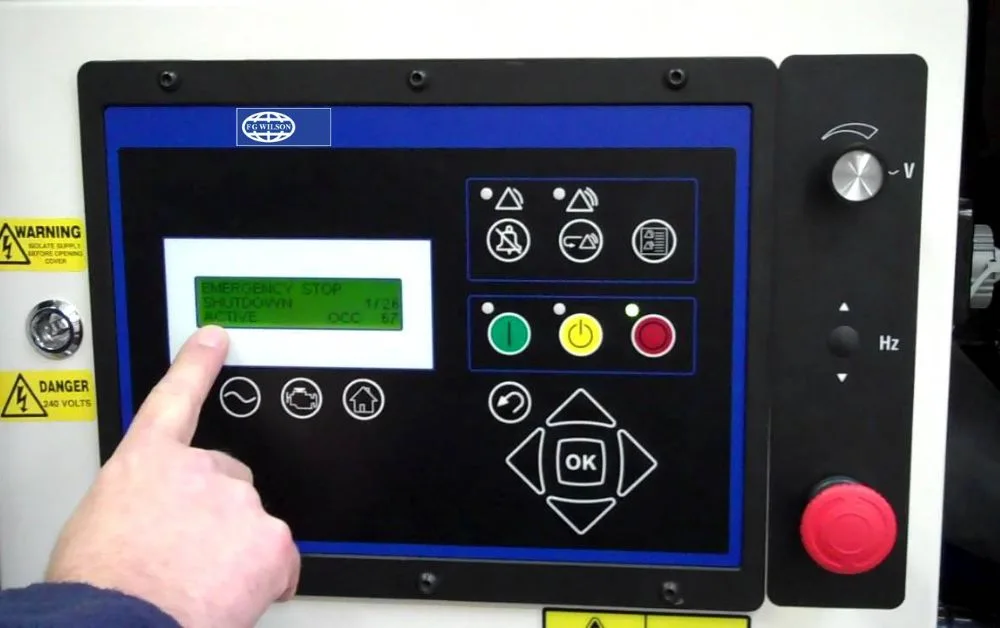
Industrial control panels serve as the centralised electrical and logical intelligence for manufacturing and process operations. They house the power distribution equipment — circuit breakers, contactors, and isolators — that controls the distribution and protection of electrical power to motors, heaters, lighting, and ancillary equipment. They contain the protective relays and monitoring systems that detect abnormal conditions — motor overloads, phase failures, earth faults, and process parameter exceedances — and safely disconnect equipment before damage occurs. They incorporate the programmable logic controllers and human-machine interface displays that implement the automatic control sequences, interlocks, and process parameter management that allow Kenya industrial operations to run reliably with minimal manual intervention. And they provide the data communications capability that connects field equipment to supervisory systems, production management platforms, and remote monitoring tools that give management real-time visibility of plant performance.
Engineering Capability: The Critical Differentiator
The single most important quality differentiator among Kenya control panel suppliers is engineering design capability. A panel that is correctly designed — with components sized for actual load requirements, protection functions designed for the specific hazards present, control logic that correctly implements the required process sequences, and layouts that facilitate safe and efficient maintenance — performs reliably and safely for its full design life. A panel that is incorrectly engineered may appear functionally similar on visual inspection but contains the design errors that produce nuisance trips, unexpected faults, inadequate protection, and ultimately premature failure under service conditions. Evaluating a Kenya control panel supplier’s engineering capability through their technical staff qualifications, their design methodology, their use of recognised electrical design software, and their track record on similar applications is the most important quality assessment a buyer can perform.
See also-Energy Efficiency and Power Management in Modern Control Panels
Industrial Automation Systems Integration
Contemporary Kenya industrial operations increasingly require control systems that extend beyond traditional panel-mounted instrumentation and controls to integrate with plant-wide SCADA systems, production management databases, and enterprise resource planning platforms. A control panel supplier with proven industrial automation systems integration capability — including PLC programming, SCADA system configuration, data historian setup, and network integration — provides a more complete and coherent solution than one whose capability is limited to panel hardware assembly. For Kenya operations investing in Industry 4.0 capabilities including real-time production monitoring, predictive maintenance analytics, and connected supply chain visibility, this broader automation capability is a critical supplier selection criterion.
Local Service Support: Non-Negotiable for Kenya
Kenya’s geography — with significant industrial operations in Nairobi’s industrial area, Mombasa’s port and industrial zone, Nakuru, Kisumu, and various remote agricultural and mining locations — means that local service support capability varies enormously in its practical value depending on the installation location. A control panel supplier with field service engineers based in Nairobi who can reach Nairobi industrial clients within hours, but whose coverage of Kisumu or Meru operations is limited to occasional visits, represents a very different service proposition for clients in those locations. When evaluating Kenya control panel suppliers, confirm the specific service coverage for your installation location, the response time commitment for emergency fault attendance, and the local spare parts inventory available for rapid first-time-fix resolution of common fault types.