Effective water management is one of the most fundamental operational requirements in Kenya’s construction and mining sectors, directly affecting safety, programme performance, and cost efficiency across every project involving earthworks, foundation construction, or open-pit mineral extraction. Selecting a reliable Dewatering Pumps supplier in Kenya who understands the specific dewatering challenges of Kenya’s varied geological and hydrological conditions, and who supplies equipment backed by local service and genuine spare parts support, is a procurement decision with direct operational consequences across the life of every construction or mining project.
Construction Site Dewatering Requirements
Building foundation excavations, road and infrastructure construction, underground utility installation, and dam and reservoir construction all generate water management requirements that directly affect programme delivery, cost control, and worker safety. Groundwater entering excavations creates unstable working conditions, softens cohesive soils and reduces their bearing capacity, slows excavation progress, and in extreme cases causes catastrophic slope failures and excavation collapses that create serious safety incidents. Surface water from Kenya’s biannual rainfall seasons accumulates rapidly in open excavations and on working platforms, creating conditions that prevent concrete pours, steel erection, and other programme-critical activities until the water is removed. The construction project manager who treats dewatering as a secondary consideration rather than a primary programme activity consistently discovers that inadequate water management is one of the most common causes of construction programme delays.
Pump Types and Their Construction Applications
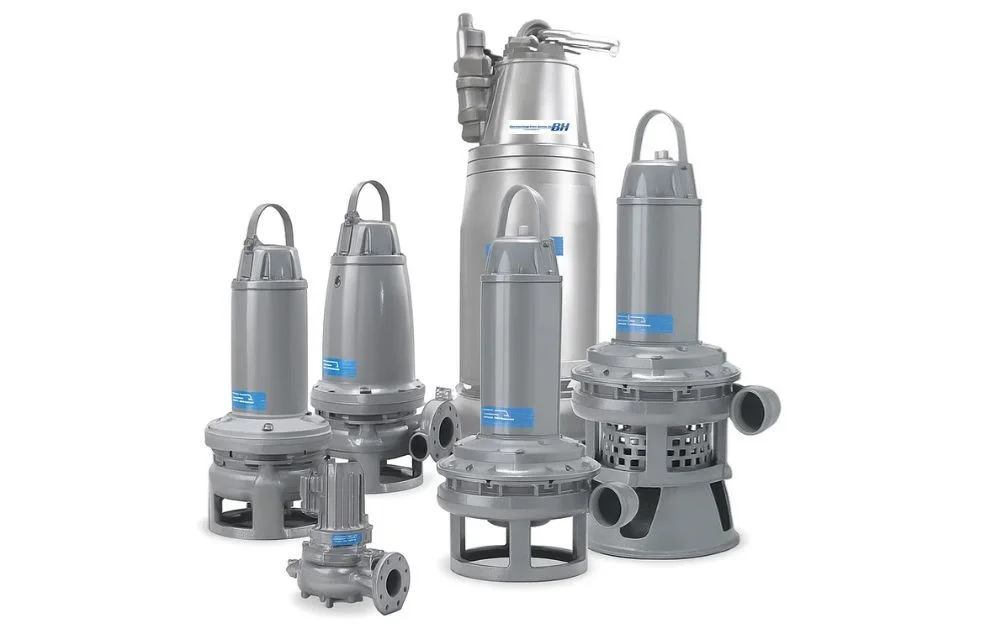
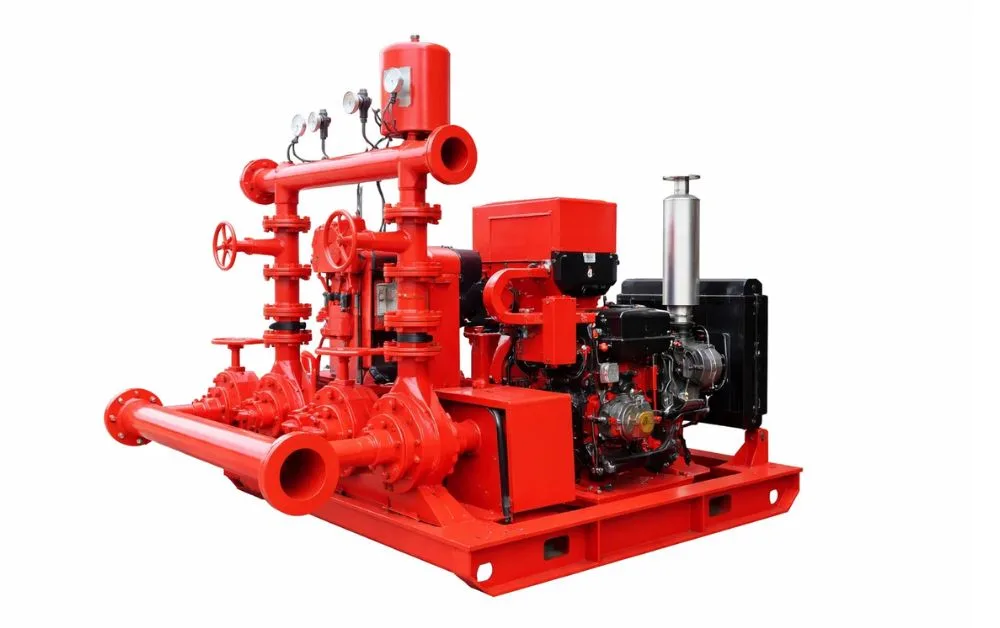
Different construction dewatering applications call for different pump configurations. Submersible drainage pumps are the most versatile construction site dewatering tool — lowered directly into a sump or flooded excavation, they require no priming, handle moderately contaminated water containing suspended solids and grit, and can be repositioned quickly as the work advances. Diesel-engine-driven trash pumps provide high-volume pumping in locations without electrical supply, handling water with significant suspended solids content that would damage standard clean-water pump impellers. Self-priming centrifugal pumps mounted on portable skid frames provide rapid deployment capability for emergency dewatering situations and for temporary surface water clearance operations. Construction pump solutions for Kenya sites must match the pump type and specification to the specific dewatering challenge — volume, head, solids content, power availability, and mobility requirements all influence the optimal selection.
Related read:-The Complete Guide to Dewatering Pumps for Construction Sites
Mining Dewatering: Higher Demand, Higher Stakes
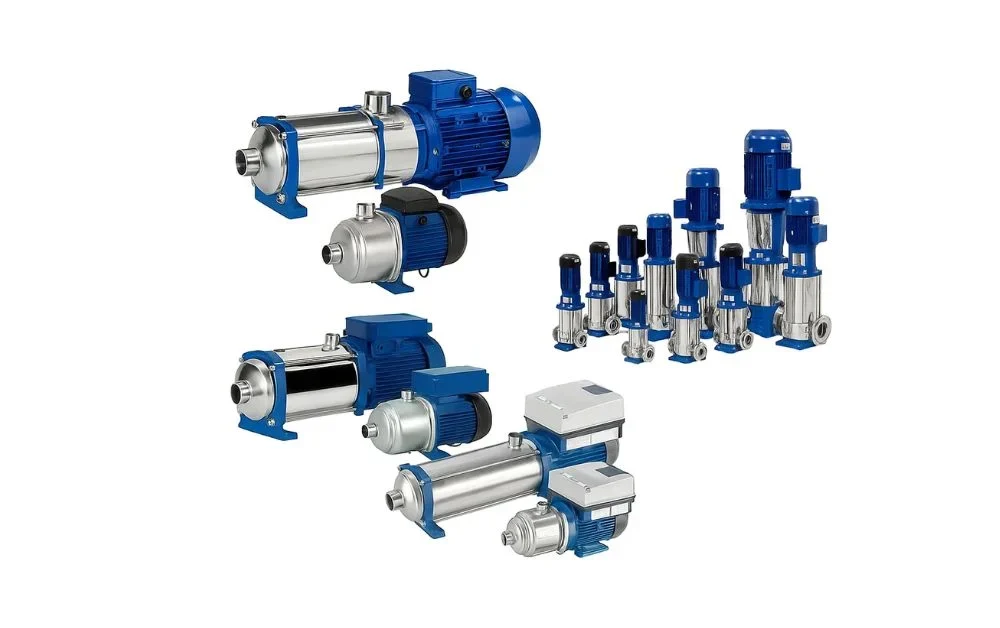
Mining dewatering in Kenya’s gold, limestone, fluorspar, titanium mineral sands, and other mineral operations involves pump duty requirements that substantially exceed typical construction site demands. Open-pit mine dewatering must manage accumulated pit water from rainfall and groundwater inflows simultaneously, often requiring multiple pump stations at different pit floor elevations as mining depth increases. Total dynamic heads in deep pits may reach 100 metres or more, requiring multi-stage submersible pump configurations or surface-mounted multi-stage centrifugal pumps fed from deep sump stations. Pump reliability in mine dewatering applications is particularly critical — a pump failure in a deep pit during Kenya’s heavy rainfall season can fill the excavation faster than a single backup pump can control, creating safety incidents and costly production interruptions that proper pump redundancy and preventive maintenance planning would prevent.
Total Cost of Ownership vs Purchase Price
Dewatering pump procurement decisions evaluated on initial purchase price alone consistently produce suboptimal outcomes in Kenya’s construction and mining sectors. A pump specified with abrasion-resistant hydraulic materials, a correctly sized motor for the design duty point, adequate shaft seal protection for the service environment, and easy access to wear parts for field maintenance will deliver a lower cost per cubic metre of water pumped over its operational life than a lower-priced pump with standard materials, an oversized or undersized motor, inadequate seal protection, and difficult maintenance access. When evaluating dewatering pump options for Kenya projects, require prospective suppliers to provide whole-life cost estimates that account for energy consumption, expected wear part replacement frequency, motor rewinding or replacement intervals, and the operational cost of pump downtime — not simply the ex-works equipment price.