In today’s fast-paced and urbanizing world, safety is a top priority—especially when it comes to infrastructure. Kenya has seen significant growth in real estate, manufacturing, education, healthcare, and commercial sectors, with new buildings rising every day in cities like Nairobi, Mombasa, Kisumu, and Nakuru. With this expansion, there comes an urgent and non-negotiable need for an efficient and reliable fire fighting system in Kenya. Fire safety is no longer just a regulatory requirement—it’s a life-saving necessity.
The Rising Fire Risks in Kenya
Urbanization and industrialization bring many benefits, but they also increase fire hazards. Poor electrical installations, faulty appliances, overcrowded buildings, storage of flammable materials, and lack of awareness often lead to fires in homes, markets, schools, and office blocks.
In Kenya, the Kenya National Bureau of Statistics (KNBS) has reported multiple fire incidents over the years, with significant loss of life, property, and livelihoods. Informal settlements, commercial buildings, and even hospitals have been affected. Many of these incidents could have been controlled—or even prevented—if there was an effective fire fighting system in Kenya installed and maintained properly.
What is a Fire Fighting System?
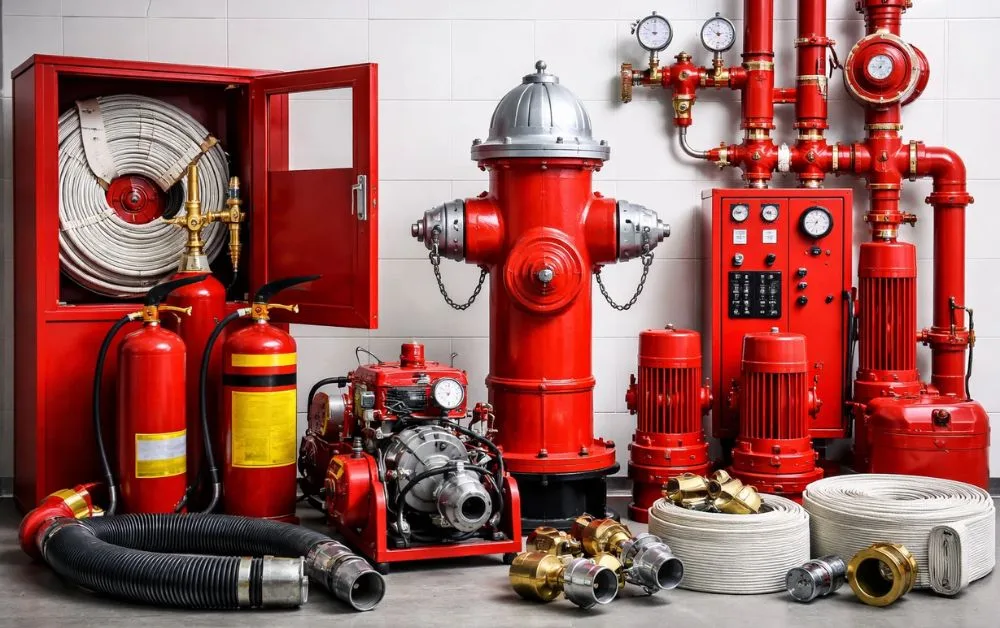
A fire fighting system is an integrated infrastructure designed to detect, control, and extinguish fires. It includes:
- Fire alarms: Alert building occupants at the early stages of a fire.
- Sprinkler systems: Automatically discharge water when heat is detected.
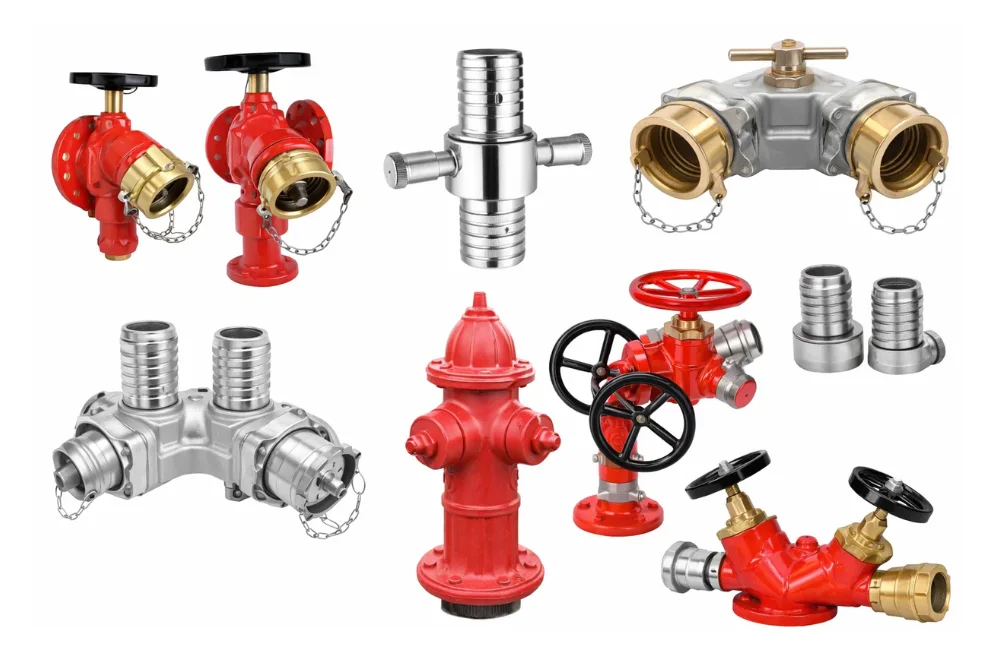
- Fire hydrants: Provide access to water for fire service personnel.
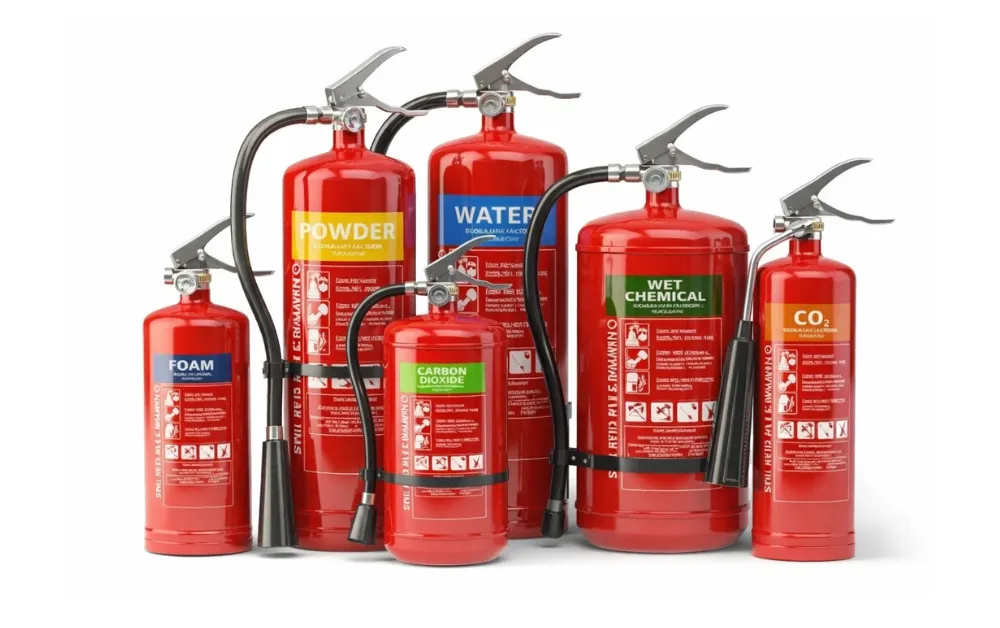
- Fire extinguishers: Portable and effective for small fires.
- Smoke detectors: Sense smoke early and trigger alarms.
- Hose reels and pump systems: Deliver pressurized water in buildings.
An effective fire fighting system ensures that a fire is either extinguished before it spreads or brought under control until help arrives.
Why Every Building Needs a Fire Fighting System in Kenya
1. Protection of Lives
The primary reason for installing a fire fighting system in Kenya is to save lives. Fires spread quickly—especially in crowded buildings or places with flammable materials. A functioning system can provide critical minutes to evacuate, extinguish the fire, or prevent it from escalating.
2. Preservation of Property
Buildings are long-term investments, and fires can wipe out years of work and capital within minutes. Having a reliable fire fighting system ensures early intervention, preventing complete destruction and reducing insurance costs.
3. Compliance with Regulations
Kenyan building codes and fire safety regulations require certain buildings to install fire fighting systems. Whether it’s a commercial complex, hospital, school, or warehouse, local authorities like the Nairobi City County and the National Construction Authority (NCA) mandate strict compliance to safety norms.
4. Support for Emergency Services
Even the most skilled firefighters need support. A building equipped with alarms, hydrants, sprinklers, and smoke control systems provides a safer and more accessible environment for fire brigades to act quickly and effectively.
5. Reduction in Insurance Premiums
Insurance providers assess risk before covering properties. Buildings equipped with modern fire fighting systems often enjoy reduced premiums as they are seen as safer, more resilient, and less likely to suffer major losses in the event of a fire.
6. Business Continuity
For businesses, downtime caused by fire incidents can result in massive financial losses. A properly functioning fire fighting system helps ensure operations resume quickly, minimizing disruption and preserving brand reputation.
Read more-How Fire Fighting Equipment in Kenya Helps Reduce Fire Risks?
Applications Across Building Types
A fire fighting system in Kenya is not a one-size-fits-all solution. It must be tailored to the type, size, and function of the building:
- Residential Buildings: Alarms, extinguishers, and safe exits for families.
- Commercial Offices: Sprinkler systems, smoke detectors, and fire doors.
- Hospitals: Critical areas need automatic suppression systems due to vulnerable patients.
- Shopping Malls: High traffic areas need high-capacity hydrants, alarms, and smoke extraction systems.
- Schools and Universities: Evacuation plans, alarms, and fire drills must be integrated with detection systems.
- Industrial Plants: Advanced systems such as foam suppression or gas-based extinguishing systems.
Each of these environments requires a customized fire safety plan and reliable components to be effective.
Challenges to Implementation
While awareness is growing, challenges still exist in the widespread adoption of fire fighting systems in Kenya:
- Lack of awareness in smaller towns and rural areas.
- Inadequate training on how to operate the installed equipment.
- Poor maintenance of systems that renders them ineffective during emergencies.
- Cost concerns that discourage installation, especially in low-income settings.
Addressing these challenges requires joint efforts between the government, building owners, architects, and fire safety professionals.
The Path Forward
As Kenya continues to develop, fire safety must be integrated at the earliest stages of planning and construction. Stakeholders need to prioritize investment in fire fighting systems, not just as a regulatory formality, but as an essential life-saving measure.
Educational campaigns, policy enforcement, incentives for compliance, and skilled professionals are necessary to make fire safety universal in Kenya’s buildings. Technology, such as smart alarms and remote monitoring, is also shaping the future of fire prevention.
Conclusion: Blackwood Hodge Ltd – A Trusted Name in Fire Safety
In this ever-evolving safety landscape, having a dependable partner to design, supply, and support fire safety systems is invaluable. Blackwood Hodge Ltd stands out as a leading solution provider in this domain. With a firm understanding of local fire safety regulations and a proven record of delivering reliable equipment, Blackwood Hodge Ltd plays a crucial role in improving the standards of fire fighting system in Kenya.
From consultation to installation and after-sales support, Blackwood Hodge Ltd ensures that every building is not only compliant but truly prepared. Their dedication to safety, quality, and innovation makes them the go-to name for those who prioritize protection—of lives, assets, and the future.