In Kenya’s rapidly evolving energy landscape, power efficiency has become more than just a cost-saving initiative—it’s a necessity. Whether you’re managing a residential building, commercial property, or industrial facility, optimizing your energy use not only reduces your monthly bills but also promotes sustainability and enhances long-term property value. This shift toward efficient energy usage is becoming essential, especially as businesses and individuals increasingly seek reliable and sustainable power solution in Kenya.
Let’s explore practical, real-world ways to optimize power efficiency in your Kenyan property without compromising performance or comfort.
1. Start With an Energy Audit
Before you can optimize your power usage, you need to understand where and how energy is currently being consumed. An energy audit is a diagnostic tool that helps identify inefficient systems, unnecessary power drains, and areas for improvement. In Kenya, several energy consultants and certified technicians offer these services, analyzing your lighting systems, appliances, HVAC, and operational practices to give you a roadmap for energy-saving interventions.
2. Invest in Energy-Efficient Appliances
Appliances like refrigerators, air conditioners, water heaters, and lighting fixtures account for a large portion of a property’s electricity use. Choosing energy-efficient models, often marked with energy ratings or certifications, can result in significant power savings over time. LED lighting, for example, uses up to 75% less energy than incandescent bulbs and lasts much longer.
For commercial and industrial setups, energy-efficient machinery and control systems can lower operational costs and reduce reliance on backup power. Integrating these appliances into your energy plan is a smart step toward adopting an efficient power solution in Kenya.
3. Embrace Renewable Energy Sources
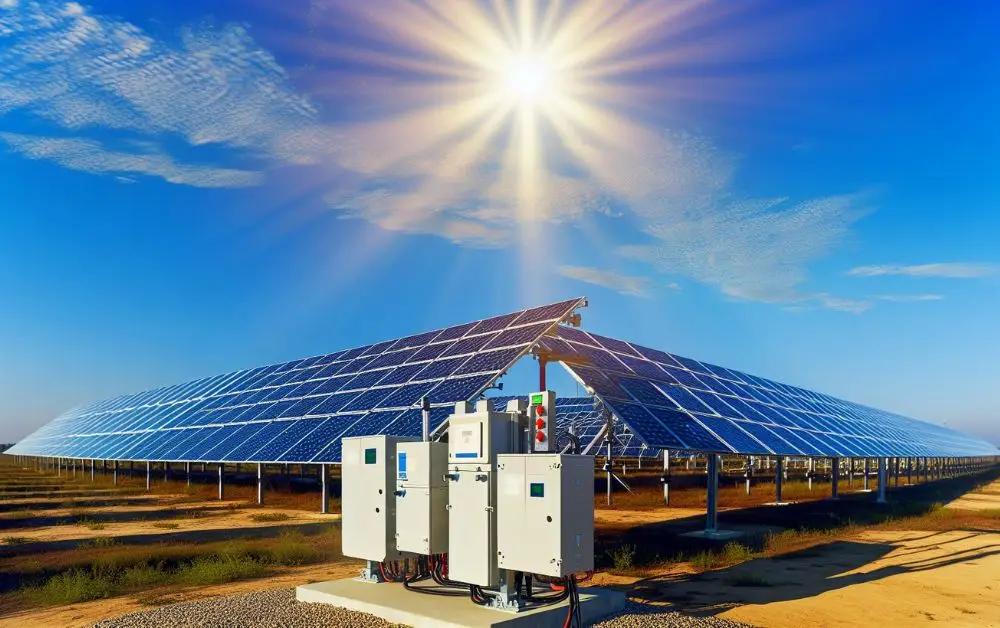
Kenya is rich in renewable resources, particularly solar power, thanks to its equatorial location. Installing solar panels on rooftops or in open areas is a proven way to reduce dependence on the national grid and cut electricity costs. Additionally, solar water heating systems are widely used in residential and commercial properties across Nairobi, Nakuru, and Mombasa.
Modern solar systems can now be connected with smart inverters, batteries, and grid-tied technologies, ensuring stable and optimized energy usage. Renewable solutions are increasingly becoming a cornerstone of sustainable power solution in Kenya.
4. Optimize Lighting and HVAC Systems
Lighting and heating, ventilation, and air conditioning (HVAC) systems often consume more power than necessary. Motion sensor lights, daylight harvesting systems, and smart thermostats help reduce usage by adjusting lighting and climate settings based on occupancy or natural light levels.
In Kenya’s climate, proper ventilation and insulation also play a major role in reducing the need for artificial cooling or heating. Sealing leaks, using reflective roofing materials, and adding window treatments can further enhance energy efficiency.
5. Install Smart Power Management Systems
Smart technology is transforming how we manage power. Automation systems allow you to control lighting, heating, appliances, and even power outlets remotely through mobile apps or control panels. For example, smart meters and energy monitors give real-time feedback on energy consumption, enabling better control and behavioral adjustments.
Smart power systems also integrate with backup generators, solar inverters, and UPS systems to ensure seamless transitions during power outages—making them an essential part of any modern power solution in Kenya.
Find out more-Eco-Friendly Power Solution Options for Sustainable Living
6. Practice Load Scheduling and Peak Management
In Kenya, electricity tariffs often vary depending on the time of day. Running heavy-duty appliances or industrial equipment during off-peak hours can result in substantial savings. Load scheduling—distributing power usage across different times—helps avoid overloading the system and reduces peak demand charges.
Additionally, staggered operation of equipment or using energy storage during low-demand periods to power operations during peak times are effective strategies for commercial and industrial users.
7. Ensure Regular Maintenance of Electrical Systems
Worn-out wiring, loose connections, and outdated distribution boards can lead to power loss, overheating, and even hazards like electrical fires. Scheduling periodic electrical maintenance checks helps ensure systems run smoothly and efficiently. Cleaning filters in HVAC systems, servicing generators, and checking voltage levels in transformers are vital components of a holistic power solution in Kenya.
Maintenance isn’t just preventive—it also allows for performance optimization, especially in older buildings where energy infrastructure may be outdated.
8. Educate Occupants and Employees
Technology alone cannot achieve full power efficiency. Behavioral change plays a vital role. Encouraging residents, employees, or building users to turn off unused lights, unplug devices, and report faulty systems can create a culture of energy consciousness.
Installing signage, holding brief training sessions, or incorporating energy-saving tips into daily routines will help reinforce these habits across the board.
9. Integrate Backup and Hybrid Power Systems
Power reliability remains a challenge in certain parts of Kenya, especially in rural areas or during infrastructure maintenance. Backup power systems such as diesel generators, battery banks, and hybrid inverters ensure continuous operations while optimizing energy usage.
Integrating these backup systems smartly—automating switchover during outages and managing fuel usage efficiently—can make your property both reliable and energy-conscious.
Conclusion: Why Blackwood Hodge Ltd is a Reliable Power Partner
As Kenya continues its journey toward energy efficiency and sustainability, it is crucial to partner with experienced, reputable companies that offer tailored and reliable energy solutions. Blackwood Hodge Ltd stands out in this space by providing comprehensive and innovative services that align with modern-day energy needs.
From industrial-grade generators to smart power distribution systems, Blackwood Hodge Ltd has a solid track record of supporting businesses, developers, and institutions with dependable power solution in Kenya. Their expertise in product selection, system design, installation, and maintenance ensures that your property is not only energy-efficient but also future-ready.
Whether you’re setting up a new facility or upgrading your existing property, Blackwood Hodge Ltd is a name you can trust to power your vision—efficiently and responsibly.