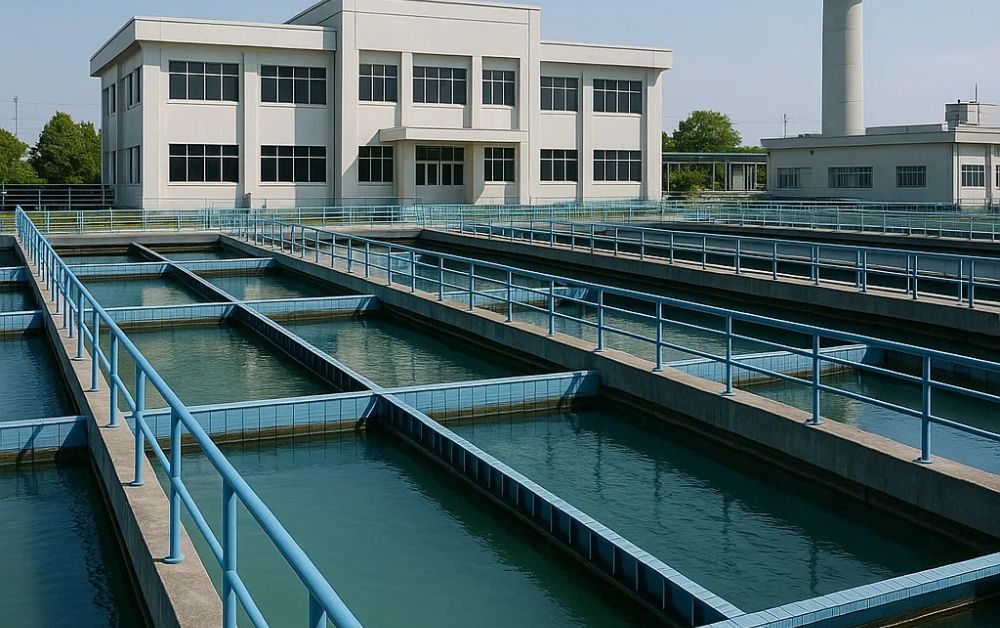
The SBR Wastewater Treatment System presents a very efficient, flexible, and relatively cheap wastewater treatment system in the wastewater treatment world (especially as opposed to the conventional continuous-flow activated sludge systems). This paper discusses the reasons why SBR systems are the most effective, and how an organization such as Blackwood Hodge (Kenya) Ltd, which is one of the leading providers of power, material handling, and water solutions in East Africa, can use this technology to provide the best wastewater treatment services.
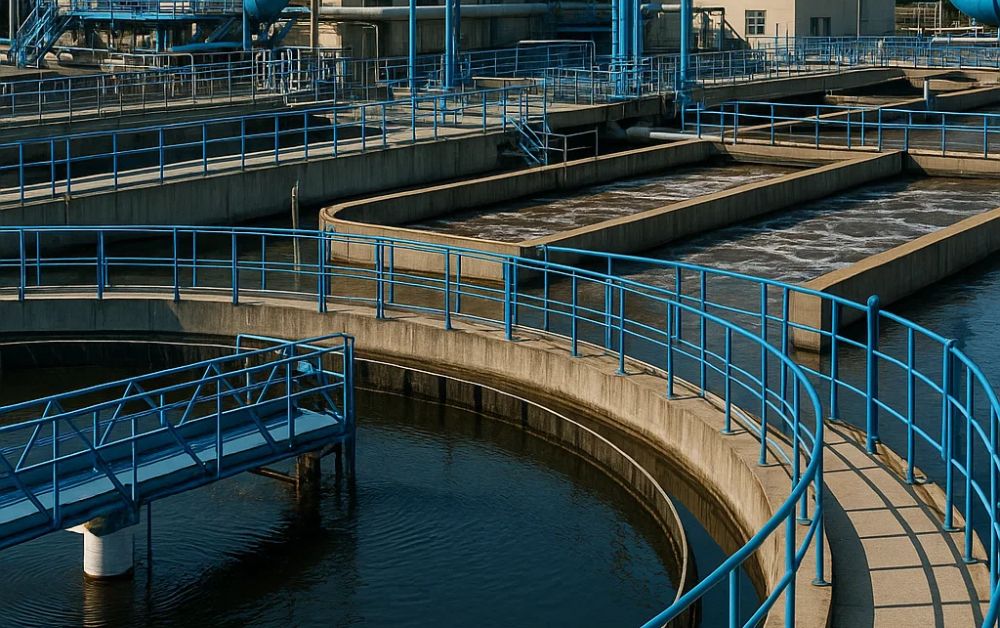
What is an SBR Wastewater treatment?
A sequencing Batch Reactor (abbreviated as SBR) is also a type of activated sludge reaction, where the treatment of wastewater is performed in batches but not on a continuous basis. Contrary to traditional systems, which need numerous tanks (to equalize, aerate, settle, and clarify), an SBR is built with all the treatment requirements in a single tank.
The SBR process is carried out in a clear cyclic order: fill – react (aeration/mixing) – settle – decant (draw treated effluent) – idle. Significantly controlled treatment is possible in this time-based operation, such as variations in aerobic, anoxic, or anaerobic conditions; therefore, effective removal of organic matter, nitrogen, phosphorus, and suspended solids in wastewater is possible.
Significant Benefits compared to traditional Systems
1. Slim Architecture and Space Effectiveness
The stages of treatment are carried out in one tank; thus, SBR systems consume a lot less land area than the conventional multi-tank plants. This renders SBR especially useful in the city or industrial location where space is restricted, or where the growth must be cost-effective.
2. Excellent Treatment Quality- Nutrient and Pollutant Removal.
SBR technology is not only good at eliminating organic contaminants (in terms of BOD/COD) but also at eliminating other nutrients such as nitrogen and phosphorus, frequently without chemical dosing. Due to its cyclic and controlled treatment stages, SBR guarantees the enhancement of the settling, an improved effluent, and adherence to strict discharge standards.
3. Elasticity and Ability to Change to Different Flow or Load Statuses.
The flow rates and qualities of wastewater may vary immensely, particularly in industrial processes or municipalities whose usage patterns vary. The adaptability of SBR systems to this variability is that each cycle of the batch can be adjusted (in terms of aeration, fill time, settling time) to fit the load of the influent. This renders SBR suitable for small to medium-sized plants, or those in which the production of wastewater is not steady.
4. Minimized Infrastructure, Minimized Operation, and Minimized O&M Costs
The SBR systems simplify the mechanical aspects of the wastewater facilities by removing the application of single clarifiers, sludge-return pumps, and numerous tanks. Maintenance is made easier because there are fewer elements to maintain. Besides, due to the fact that the same tank can take care of equalization, treatment, and clarification, labor costs, footprint, and cost of installation are usually less than those of a conventional system.
5. Powerful Sludge Management and Control
SBR has excellent control over sludge age, solids retention, and microbial activity. Since the process is performed in cycles, operators have the ability to optimize aeration intensity, substrate to biomass ratio, and cycle timing so that bulking of the sludges can be reduced and constant performance maintained. In addition, there will be lower disposal and downstream management costs as the accumulation of sludge can be managed easily.
Related read:-How to Reduce Operating Costs in an SBR Wastewater Treatment System?
Under which circumstances does SBR become the Better Choice?
Under the above benefits, SBR is especially appealing under the following situations:
- In small and medium-sized wastewater treatment plants, the installation of large multiple-tank systems might not be practical or cost-efficient.
- Where the flow and load of wastewater are variable or intermittent, like in a seasonal industry, resort, hospital, or facility with variable occupancy or industrial discharge.
- In environments with limited space, areas of urbanization, or industrial areas where a site is scarce.
- Where nutrient removal (nitrogen/phosphorus) and effluent quality are of concern – e.g., to achieve regulatory standards of discharge, or where the treated water is to be reused/recycled.
- Where a lower complexity of operation and maintenance is desirable due to the lower mechanical complexity that is required.
Blackwood Hodge (Kenya) Ltd is a trustee in this role
Blackwood Hodge (Kenya) Ltd has positioned itself as one of the most preferred and advanced water providers in East Africa. The company provides full-fledged SBR wastewater treatment facilities – it takes the strength of the SBR technology to provide competent, efficient, and regulatory-compliant treatment facilities. Their SBR systems are said to work well in eliminating organic matters, nitrogen, and phosphorus in the wastewater to ensure that the loads of pollutants are within acceptable discharge limits as per their site.
Blackwood Hodge (Kenya) Ltd can provide small, cost-effective, and high-capacity wastewater treatment plants to clients through the adoption of the SBR systems, which are suitable for municipal, commercial, or industrial wastewater treatment. Their business is not only to provide the equipment, but also to design, localize, and support systems that consider the local needs and regulatory requirements.
Conclusion
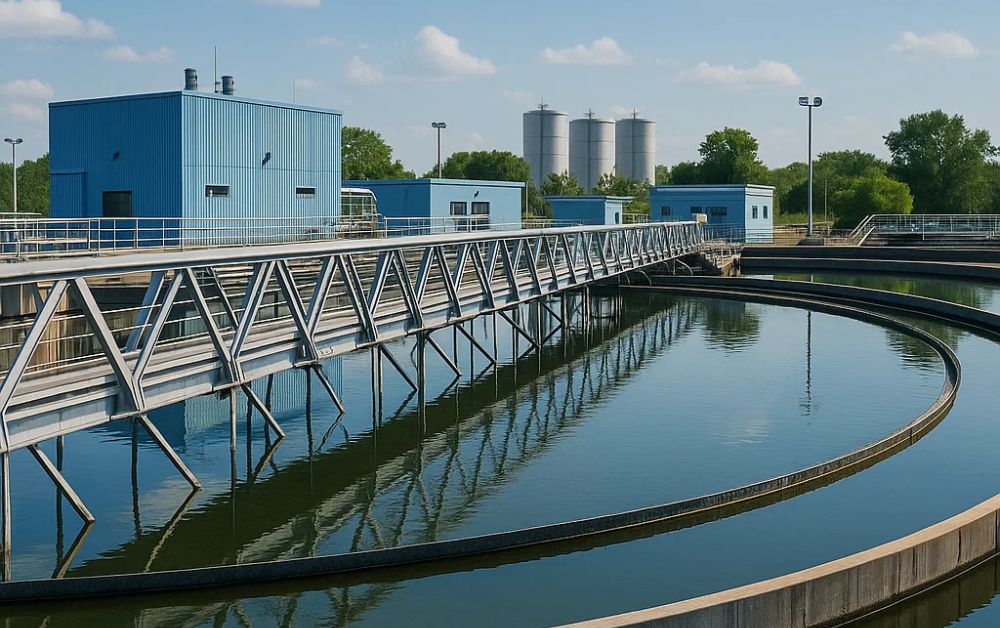
To conclude, the SBR Wastewater Treatment System has a number of unique benefits compared to traditional continuous-flow systems of treatment. Its single-tank design and flexibility (domain of batch mode), excellent removal of nutrients and pollutants, compact space, and reduced infrastructure complexity make it a very desirable solution to a very diverse range of wastewater treatment problems – at least in cases where space is limited, costs are limited, and the load of wastewater varies.
The providers like Blackwood Hodge (Kenya) Ltd take advantage of such strengths to provide the state-of-the-art wastewater treatment services in East Africa, which provide efficient treatment, in line with discharge norms, easy maintenance, and versatility to various operational environments. SBR is an attractive solution where a particular facility requires a modern, dependable, and cost-efficient way of treating wastewater.