When it comes to material handling and logistics in warehouses, factories, and large facilities, selecting the right towing equipment is key. With more businesses in Kenya exploring electric and manual towing trucks & tugger trains, it’s essential to understand which option works best for your operations. Whether you’re considering efficiency, costs, safety, or environmental impact, knowing the differences between the two can help you make an informed decision, especially as towing trucks and tugger trains suppliers in Kenya offer more modern options to meet growing industrial demands.
What Are Towing Trucks and Tugger Trains?
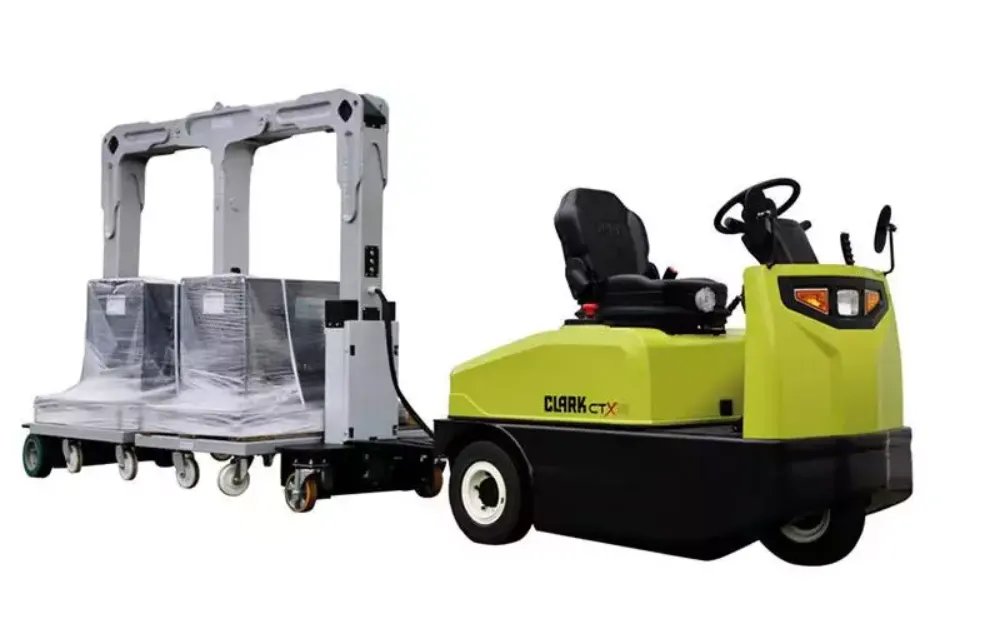
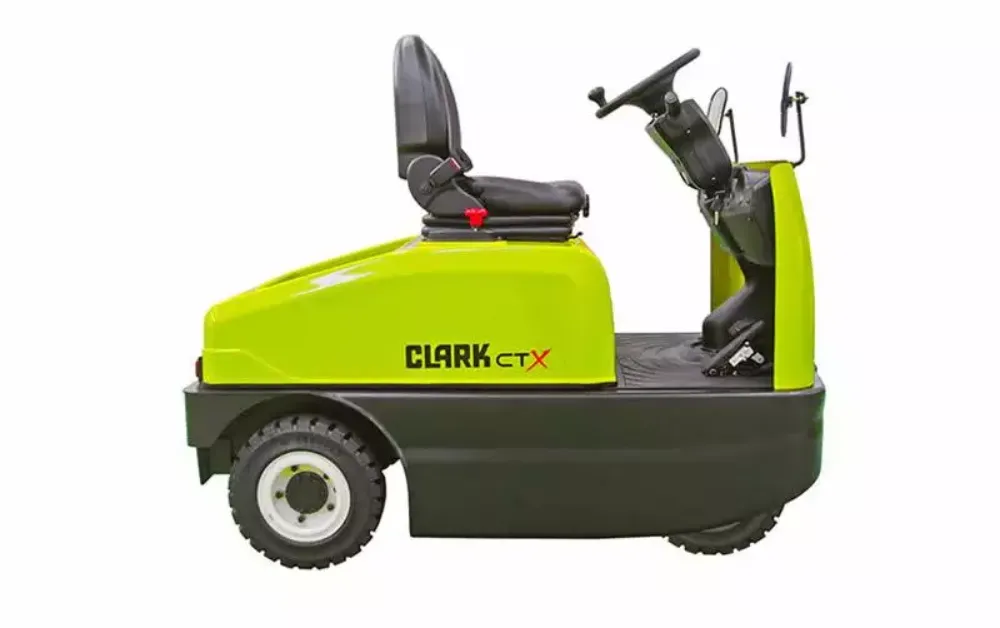
Before we compare the two, let us break down what these machines actually do. Towing trucks & tugger trains are material handling machines designed to move heavy loads across floors without lifting them. A towing truck (or tow tractor) pulls trailers, carts, or wagons loaded with goods, while a tugger train is a system of connected trailers, pulled in sequence, much like a small train. This system allows multiple loads to be moved at once.
Tugger trains are widely used in places like manufacturing plants, warehouses, distribution centers, and airports to transport materials between production lines and storage areas. They’re a vital part of logistics flows, reducing transit times & minimizing the need for manual labor. Both electric and manual versions exist, each with distinct pros and cons.
Manual Towing Trucks and Tugger Trains
Manual towing systems rely mostly on human effort, where operators push, pull, or steer the carts and trailers. These systems are simpler and generally best for light-duty tasks.
Advantages of Manual Systems
- Low Initial Cost: Manual tow trucks and tugger trains are easier and cheaper to buy and set up, making them an appealing option for small businesses or operations with a limited budget.
- Easy to Use in Small Spaces: These systems are compact & flexible, making them ideal for small workshops or areas where heavy, motorized equipment would be impractical.
- Environmentally Friendly: Since manual systems do not use fuel or batteries, they don’t emit emissions, making them a greener option for basic material handling.
Disadvantages of Manual Systems
- Limited Load Capacity: Manual tugs are only suitable for lighter loads. They are not built for heavy-duty tasks, which limits their use in high-volume or heavy manufacturing environments.
- Higher Physical Strain: Depending on human strength can increase fatigue and lead to workplace injuries, mainly when handling heavier loads.
- Reduced Productivity: Manual handling takes more time. In busy operations, this may create bottlenecks, delaying production or shipping schedules.
Suggested Read-Electric vs Diesel Forklift: Which One Is Better for You?
Electric Towing Trucks and Tugger Trains
Electric systems are powered by batteries and electric motors. These setups include electric tow tractors, pedestrian-controlled tugs, and full tugger trains where an electric vehicle pulls multiple carts.
Advantages of Electric Systems
- Higher Efficiency and Productivity: Electric systems can move heavier loads with less physical effort. They can also pull several carts or trailers at once, reducing the number of trips and speeding up workflows.
- Quieter and Cleaner: Electric tugs run quietly and produce zero emissions, making them better for the environment and creating a more pleasant working environment.
- Lower Long-Term Costs: While the initial purchase price may be higher, electric systems tend to cost less over time. They require less maintenance and are cheaper to operate than fuel-powered alternatives.
- Improved Safety and Ergonomics: Electric tugs reduce physical strain on workers. Features like speed control & automatic braking improve safety and reduce injury risks.
Disadvantages of Electric Systems
- Higher Upfront Investment: Electric towing trucks and tugger trains usually cost more to buy than manual models. This could be a hurdle for smaller businesses with tight budgets.
- Battery Management: Batteries need to be charged, monitored, and eventually replaced, which can add to operational considerations. However, battery technology has improved significantly in recent years.
Choosing Between Electric and Manual
When deciding which system is right for your business, consider the following factors:
- Volume and Weight of Materials: If you’re handling heavy or large quantities of materials frequently, electric systems are generally more efficient & productive.
- Workforce and Space: For smaller businesses with limited staff and occasional moving needs, manual systems might be sufficient.
- Budget and Long-Term Costs: While manual systems are cheaper to buy, electric systems often pay for themselves over time through better efficiency & lower maintenance costs.
- Environmental and Safety Goals: If minimizing emissions and improving worker safety are priorities, electric systems are the better choice.
Conclusion
Both manual and electric towing trucks & tugger trains have their advantages, & the best option depends on your specific wants. Manual equipment works well for lighter, occasional tasks, while electric systems are better suited for larger, more dynamic operations that need to boost productivity & reduce long-term costs.
For businesses in Kenya looking to partner with trusted towing truck & tugger train suppliers, investing in equipment that suits your needs today & future growth plans is crucial. When you want expert advice or customized solutions, Blackwood Hodge (Kenya) Ltd is here to provide high-quality equipment & support to keep your operations running smoothly.