Clean and safe drinking water is important to healthy living. As the apprehensions regarding water pollution rise, more households and companies are opting to use sophisticated purification technologies. People in areas such as East Africa have been putting in high demand for Drinking Water Purifier Machines in Kenya to provide them with good systems to guarantee them safe water. Advanced solutions in power, material handling, and water are available in the East Africa region, and these may be used to fulfill this increasing demand through leading players like Blackwood Hodge (Kenya) Ltd.
But what does the difference between modern drinking water purifier machines and traditional water filters consist of? With the help of this difference, you can make the correct decision about your home or business.
What Are Traditional Water Filters?
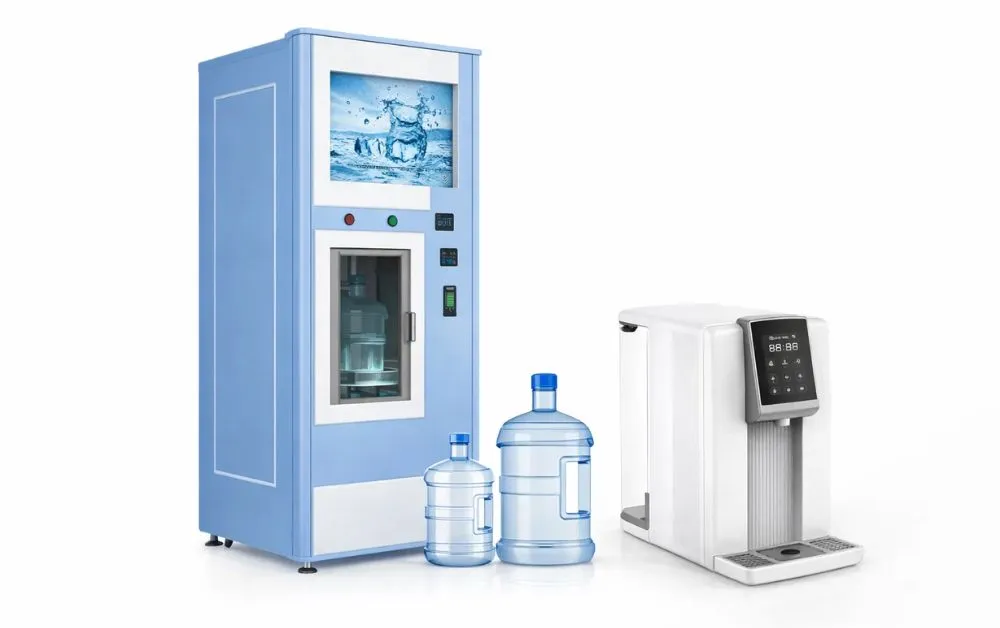
Standard water filters are simple mechanisms that are meant to filter visible impurities and enhance the flavor and smell of water. The materials that are most frequently used by these filters include activated carbon filters, ceramic filters, or sediment filters.
Their primary function is to:
- eliminate dirt, sand, and rust.
- Minimize the chlorine and bad taste.
- Screen off a few of the bacteria and protozoa.
Nevertheless, conventional filters serve more like screens. They primarily filter coarse particles but might not be able to filter dissolved chemicals, heavy metals, or viruses.
They are due to their simplicity:
- Affordable
- Easy to maintain
- Applicable in regions that have fairly clean water.
What Are Drinking Water Purifier Machines?
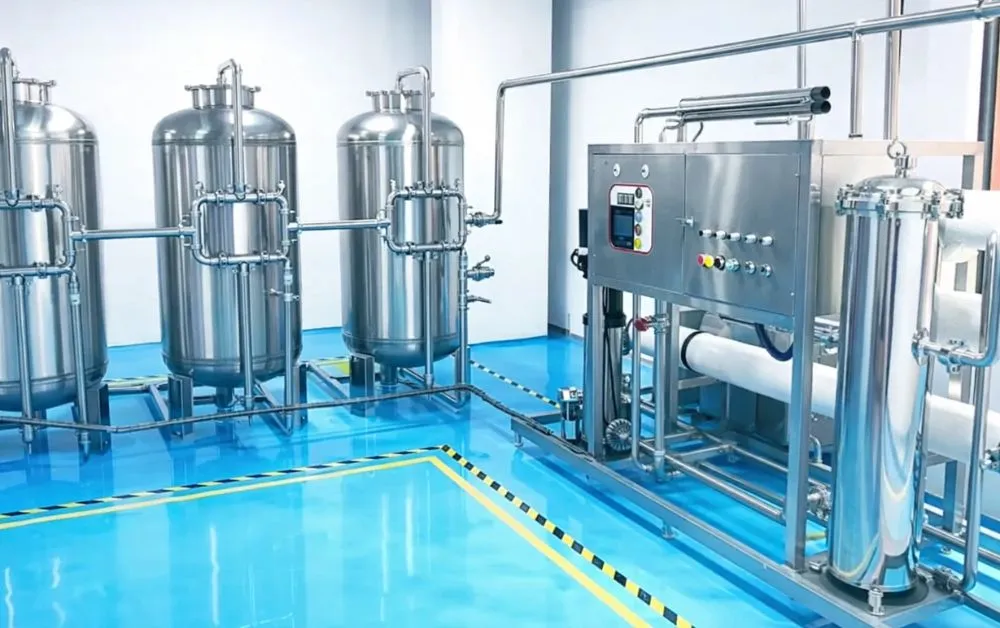
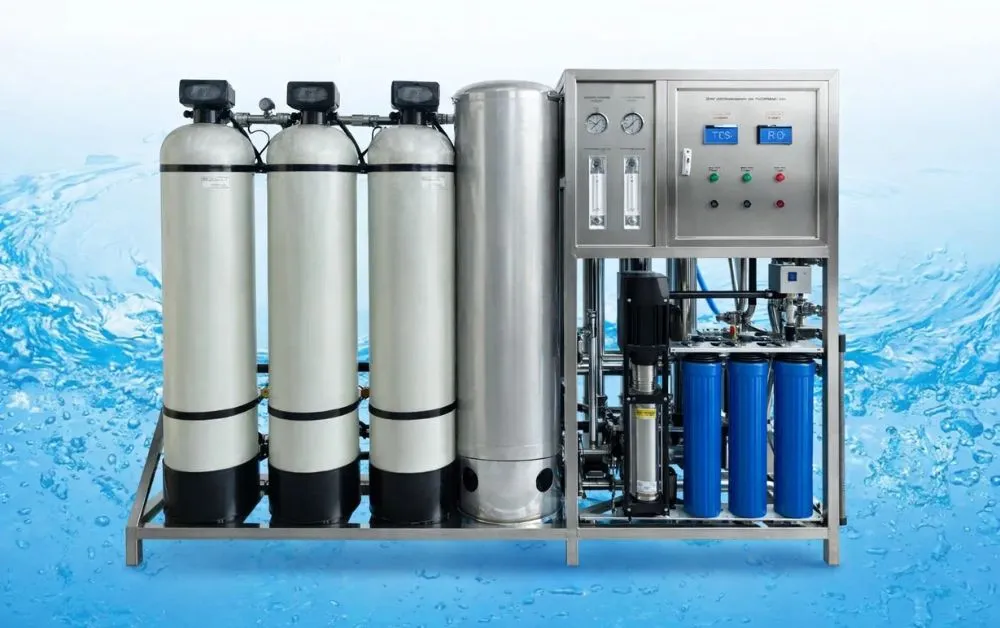
Drinking water purifier machines are modernized machines, which employ modern technologies like Reverse Osmosis (RO), Ultraviolet (UV), and Ultrafiltration (UF). Such systems are meant to offer a far greater degree of purification.
Key capabilities include:
- Separating dissolved salts and heavy metals.
- Eradication of bacteria, viruses, and microorganisms.
- Enhancing water flavor, purity, and clarity.
As an illustration, RO systems utilize a semi-permeable membrane to filter even microscopic-sized contaminants, such as dangerous chemicals and dissolved solids.
In UV systems, ultraviolet light is used to neutralize bacteria and viruses that cause microbiological contamination of water.
These machines are suited well in the areas where the water quality is doubtful or highly polluted.
Explore more-How to Maintain and Clean Your Water Purifier Machine in Kenya?
Key Differences Between Water Purifiers and Traditional Filters
1. Level of Purification
Standard filters will offer a basic filtration, which will remove visible impurities and enhance taste. Much more sophisticated are drinking water purifier machines, which remove bacteria, viruses, and soluble contaminants.
2. Technology Used
The classic filters are based on mere physical filtration. Conversely, purifier machines utilize the latest technologies such as RO, UV, and UF in order to achieve complete purification.
3. Removal of Dissolved Impurities
One of the greatest shortcomings of conventional filters is that they are not able to filter out dissolved salts or heavy metals. These toxic substances are removable using RO-based purifier machines in order to make water safer to consume.
4. Protection Against Microorganisms
The traditional filters can remove some bacteria, but not viruses. Water purifiers, particularly UV and RO systems, are used to kill or inactivate microorganisms that are harmful.
5. Water Wastage and Energy Use
The traditional filters do not consume electricity, and they do not waste water. Conversely, RO purifier machines are powered and can release wastewater through the process of filtration.
6. Cost and Maintenance
Conventional filters are cheaper and less complicated to service. Water purifier machines are more costly to purchase and maintain with regular servicing, e.g., replacement of filters or membranes.
Which One Should You Choose?
What is the correct decision, and it depends in a large part on the quality of water:
Choose traditional water filters if:
- Treated water is already supplied to you.
- All one has to do is add taste and take away sediments.
- You want a low-cost solution.
Select drinking water purifier machines where:
- Your water has a great concentration of dissolved solids (TDS)
- It is prone to bacterial or viral contamination.
- You require safe drinking water to stay long-term healthy.
However, in most instances, modern purifier systems, which have integrated RO, UV, and UF technologies, provide the most complete protection, particularly in regions where the water quality varies unpredictably.
Why Advanced Purification Matters
Water pollution may contain such invisible and dangerous agents as heavy metals, chemicals, and pathogens. All these risks cannot be tackled using traditional filters. State-of-the-art purification techniques guarantee that the water is not only safe but also clean.
That is why the use of Drinking Water Purifier Machines is gaining momentum even in Kenya, particularly in residential, commercial, and industrial use. Businesses such as Blackwood Hodge (Kenya) Ltd are very important since they offer good and high-end water treatment services to different requirements.
Conclusion
Both the conventional water filters and drinking water purifier machines are in their place, but they are used for different ends. Simple filtration is best done by using traditional filters, whereas modern purifier machines are effective in offering complete protection against a broad spectrum of contaminants.
Assuming your priority is on health, safety, and long-term reliability, advanced purification systems are more preferable. With the ever-increasing demand, the purifier of drinking water machines in Kenya are turning out to be a necessary product in terms of having access to clean and safe water, and this is accompanied by reliable distributors such as Blackwood Hodge (Kenya) Ltd within the East African region.