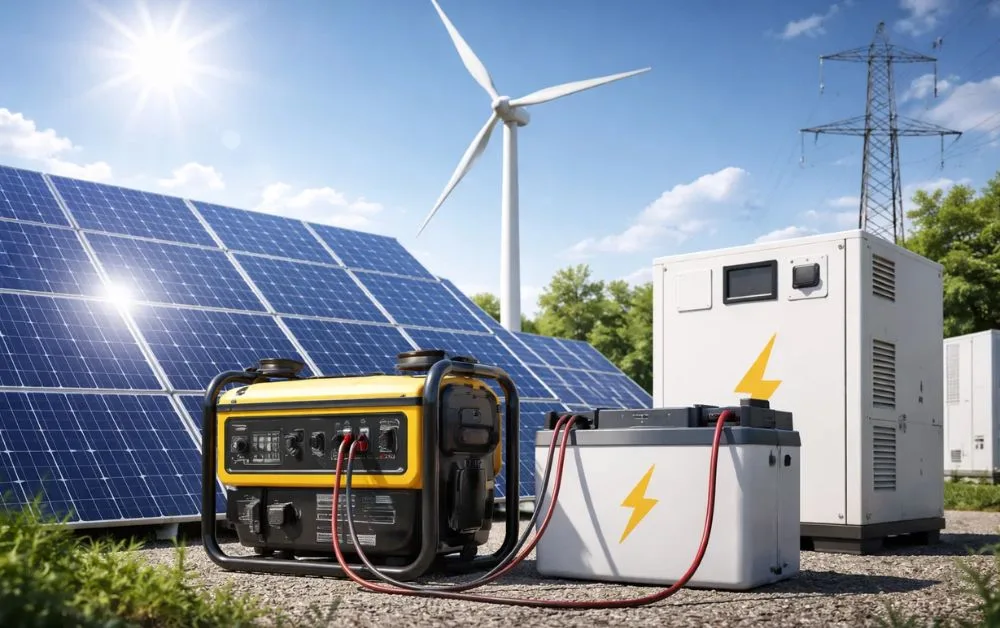
Sustainable living is no longer a buzzword because our society and businesses today are exploring how to minimize their carbon imprint, conserve energy, and develop robust infrastructure to support their future needs. It is in rural households and the fast-paced urban centers that eco-friendly power solutions are at the center of this change. Whether you are looking to learn about off-grid technologies or you are looking to improve the existing system, it is essential to understand what is available to have a more efficient and greener living style. In such markets as Kenya, where the demand is increasing tremendously, it is necessary to implement sustainable energy technologies, and power solution in Kenya are a key position in creating that future.
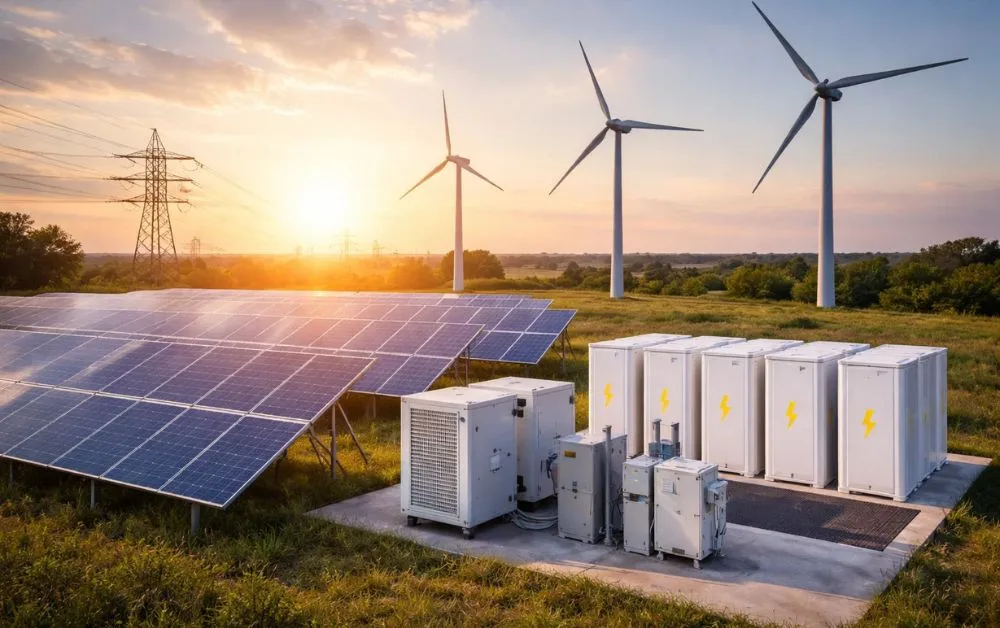
The importance of Sustainable Power
Conventional sources of energy, primarily fossil fuels, are major contributors to greenhouse gases and environmental degradation. Traditional generators and grid systems can be reliable in the provision of energy, but they are usually associated with a high carbon footprint and operational expenses. The eco-friendly power measures, on the other hand, utilize natural and renewable energy sources, including the sun, wind, and biomass, providing cleaner Power at lower costs in the long run and decreased environmental impacts.
The transition to renewable energy is picking up in Kenya and most parts of East Africa. The government policies and the initiatives of the private sector are promoting investment in decentralized and clean power systems, such as off-grid solutions and mini-grids. These initiatives will help to increase electrification, particularly in rural areas, and enhance sustainability performance.
Best Eco-friendly Power Solutions you should know
1. Solar Energy
Solar energy is still among the most available and scalable methods of sustainable living. Photovoltaic (PV) panels are used to change sunlight into electricity, which can be used directly to power houses, businesses, or even community facilities. The benefits include:
- Zero fuel costs
- Little emissions in the process.
- Standardized and flexible systems for various energy requirements.
The solution particularly works in areas of the sun, like Kenya, where it is sunny and can significantly lower the reliance on unreliable grid power or generator sets.
2. Wind Power
Wind energy utilizes the wind through turbines to exploit the kinetic energy of wind to produce electrical Power. Although generally it needs more volume and a more regular wind profile than solar, small-scale wind turbines may be feasible in rural or off-grid locations. Wind energy provides:
- Low maintenance expenses on installation.
- Reduced carbon emissions
- Solar and other renewable energy diversification.
In coastal or highland areas where wind power cannot be fully utilized, small wind farms may operate together with solar systems so that there is a continuous power supply 24/7.
3. Biomass and Biogas Systems
Biomass energy is made out of organic materials such as agricultural residues, wood chips, and animal waste. Biogas is a form of bioenergy that is produced as a result of decomposing organic matter anaerobically to produce a gas that can be burned to produce either heat or electricity. The benefits of these systems are:
- Uses waste agricultural products.
- Reduced emission levels compared to fossil fuels.
- Has the ability to supply heat and Power.
Biogas digesters are also becoming a viable answer to cooking fuel and small-scale electricity production in rural communities, which is assisting households to be less reliant on kerosene and firewood.
4. Mini-Grids and Off-Grid Systems
Off-grid regenerative systems and mini-grids are changing rural electrification. These systems are solar, wind, and battery storage solutions that form local networks of Power that are independent of the national grid. Their benefits include:
- Higher power supply to remote populations.
- Less transmission loss.
- Growth based on community demand.
A case of solar mini-grids has demonstrated considerable socio-economic effects in rural Kenya, whereby output, safety, and income to households have been on the rise, and reliance on fossil fuels has been reduced.
Related read:-How to Optimize Power Efficiency in Your Kenyan Property?
The Use of Trustworthy Power Partners
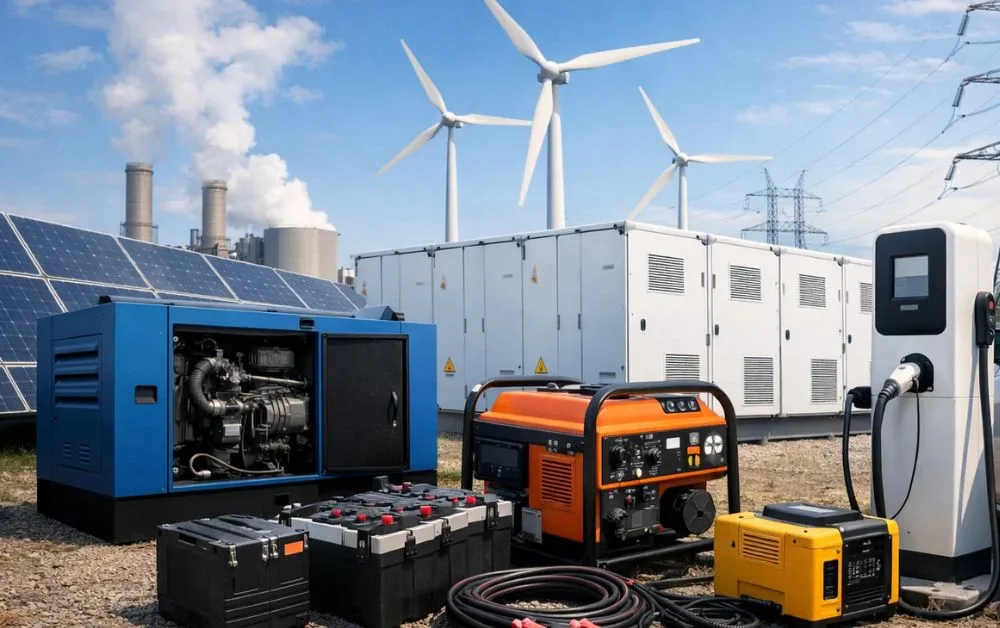
Although renewable technologies are becoming popular, hybrid systems where both traditional and clean sources of Power are combined are sometimes required to ensure constant performance – especially in industry or business. These gaps are filled by companies such as Blackwood Hodge (Kenya) Ltd, a pioneer in providing advanced solutions in Power, material handling, and water in the entire East Africa. They provide consistent power systems that will promote the growth and strengthen the integration of energy technologies to respond to sustainable objectives.
The years of experience in the industry have allowed Blackwood Hodge to specialize in the means of generating Power to ensure that businesses and communities are assured of reliable energy systems, whether it is through generator sets or future-oriented technologies. Continuity can be guaranteed even as the world moves towards greener systems.
Real-World Advice on Going Green with Power
And in case you are thinking of sustainable living, the following are some of the measures that can assist in putting this into practice:
Assess your energy needs
Start with an analysis of your present and future energy needs. This aids in establishing the appropriate combination of renewable solutions.
Combine technologies
This can be guaranteed using hybrid systems (e.g., solar plus battery storage or solar with a backup generator) to provide the expected reliability and sustainability.
Tap into incentives
There are numerous areas that have incentives or funding opportunities for renewable energy projects that save on the initial expenses.
Engage experts
Contract with experienced providers that may design, install, and maintain systems that meet your requirements.
Seeing into the Future: A Greener Future
Green energy measures are necessary in the quest for sustainable living and climate objectives globally. Since the demand for energy will keep on increasing, the adoption of renewable technologies is not only contributing to environmental stewardship but also promoting economic resilience and empowerment of the communities. The Kenyan environment of sustainable energy sources (the adoption of solar, wind, off-grid, and creative collaborations) highlights the prospects of cleaner and more accessible energy.
Whether at residential rooftops or for industrial purposes, the adoption of sustainable power sources is a way of lowering emissions and improving the quality of life. In the city or on an off-grid farm, clean energy is the best bet towards a future-proofed tomorrow. And with power solution in Kenya taking the right direction of development with visionary partners and innovative technologies, the road to sustainable living strengthens and becomes more reachable than ever.