Fire safety is an essential part of managing any building or industrial operation. Ensuring your premises are equipped with the right fire fighting system in Kenya is not just a matter of safety—it’s a legal requirement. Not meeting these regulations can lead to penalties, legal consequences, and serious risks to people and property. This guide outlines the key legal framework, standards, & best practices to ensure compliance.
Understanding the Legal Framework
The legal requirements for fire-fighting systems in Kenya are primarily governed by the Occupational Safety and Health Act (OSHA) 2007, the Kenya Bureau of Standards (KEBS), and the Fire Risk Management Guidelines. These laws are in place to ensure fire prevention, protection, and response measures are consistent across all types of properties—residential, commercial, and industrial.
Key Legal Points to Know:
Mandatory Fire Safety Measures:
All commercial buildings, factories, hospitals, and public facilities must have appropriate fire detection and suppression systems, such as sprinklers, fire hydrants, extinguishers, & alarms.
Compliance with Building Codes:
New construction and renovations must meet the fire safety standards set by local authorities, including the placement of exits, access for firefighting equipment, and the integration of firefighting systems into the building’s design.
Periodic Inspection and Certification:
Certified fire safety officers must regularly inspect buildings. They must also hold a valid fire certificate proving that their firefighting systems meet the required standards.
Standards for Fire Fighting Systems in Kenya
Fire-fighting systems must adhere to specific standards to meet legal requirements, including:
Installation Standards:
KEBS provides detailed guidelines for installing fire suppression systems like water-based sprinklers, foam systems, and chemical suppression systems. The systems must cover all high-risk areas and meet performance standards.
Maintenance and Testing:
Fire equipment must be maintained in accordance with manufacturer guidelines & legal requirements, including annual testing of alarms, pressure testing of hydrants, and servicing fire extinguishers. Poorly maintained systems are not compliant with Kenyan law.
Training and Documentation:
Employers must train their staff on fire safety, evacuation plans, and proper use of firefighting equipment. Proper documentation of these training sessions & fire drills is essential for compliance.
Key Components That Must Comply
Certain components of the firefighting system must meet specific legal standards:
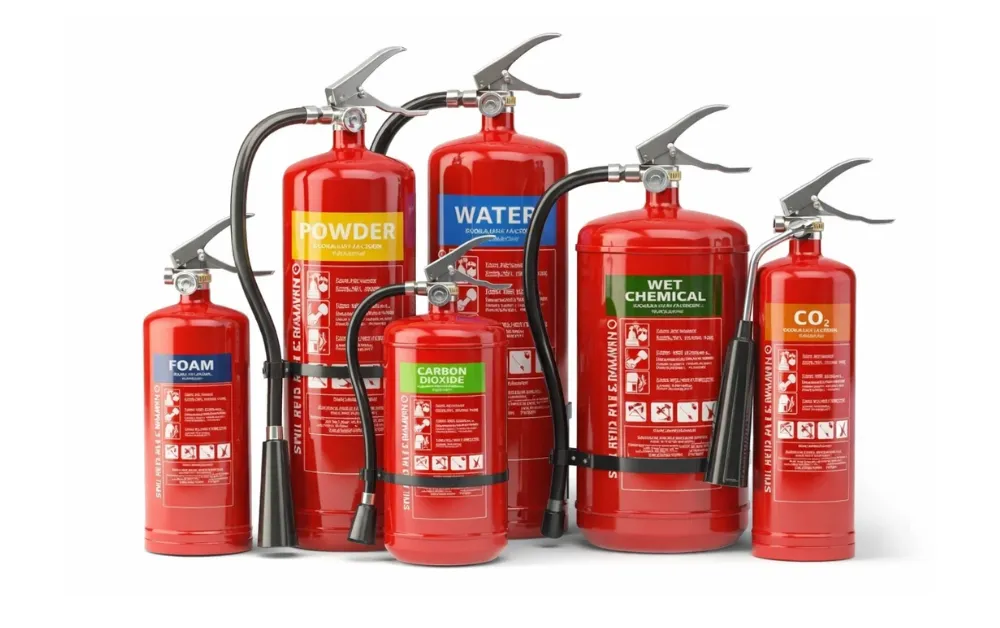
- Fire Extinguishers: Must be suitable for the types of fire risks present and easily accessible. Regular checks are required to ensure they are fully functional.
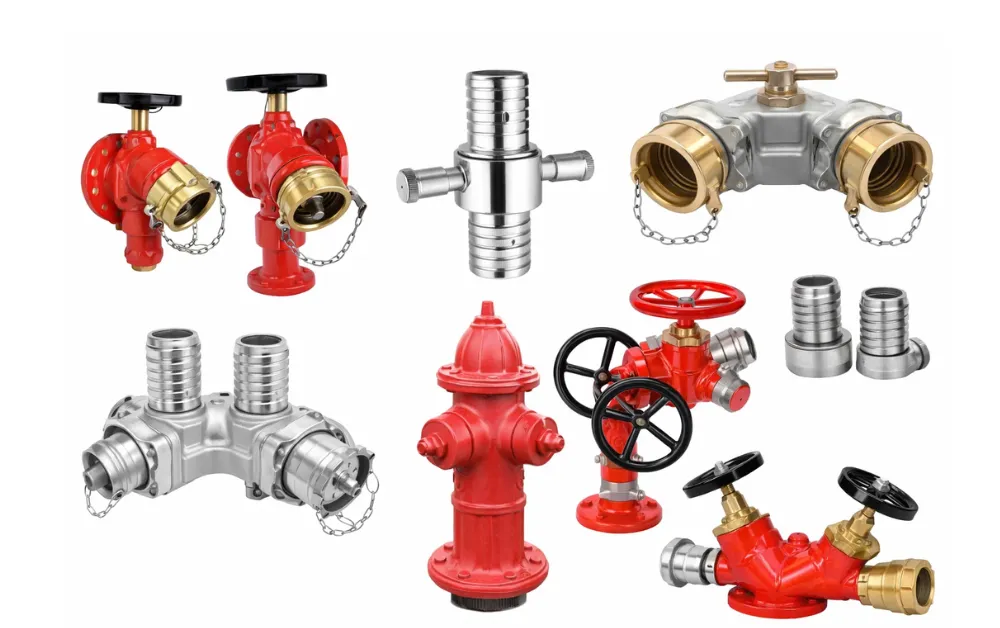
- Hydrants and Hose Reels: These should be placed strategically and inspected regularly for leaks or damage.
- Sprinkler Systems: Must cover high-risk areas & meet the required water flow and pressure standards.
- Fire Alarms and Detection Systems: Must offer early warning and be connected to monitoring stations where needed.
Reporting and Record-Keeping
Staying legally compliant also means keeping detailed records, including:
- Installation certificates from certified contractors.
- Inspection and maintenance logs.
- Fire drill and employee training records.
- Incident reports for any fire-related events.
These documents demonstrate your compliance and will be required in the event of an audit or investigation. Failing to keep accurate records could result in fines, legal liability, or facility shutdown.
Also Read-How Fire Fighting Equipment Is Becoming Safer for the Environment
Penalties for Non-Compliance
Kenya imposes severe penalties for failing to comply with fire safety regulations. Consequences can include:
- Fines
- Revocation of business permits
- Increased insurance premiums
- Legal liability for damages or injuries if a fire occurs
Ensuring compliance isn’t just about safety—it also protects your business and ensures continuity.
Best Practices for Compliance
To make sure your firefighting system is compliant, follow these best practices:
Work with Certified Suppliers:
Partner with reliable firefighting system providers in Kenya who understand local regulations to ensure correct installation and compliance.
Conduct Regular Audits:
Conduct regular internal and third-party audits to verify that all fire safety equipment is functional & compliant.
Provide Ongoing Staff Training:
Fire safety is most effective when staff members are properly trained. Regular drills & refresher sessions are necessary.
Maintain Detailed Records:
Keep comprehensive records of all installations, inspections, & training to prove your compliance when needed.
Conclusion
Meeting the legal requirements for firefighting systems in Kenya is crucial for operational safety. By following OSHA, KEBS, & other safety standards, you may ensure your facility is well protected, your employees are safe, and your business avoids legal or financial penalties. Choose the right firefighting systems, keep them well-maintained, and ensure staff are properly trained to stay compliant. For businesses seeking top-quality& legally compliant firefighting solutions in Kenya, Blackwood Hodge (Kenya) Ltd gives expert support and high-quality systems that meet all legal standards.