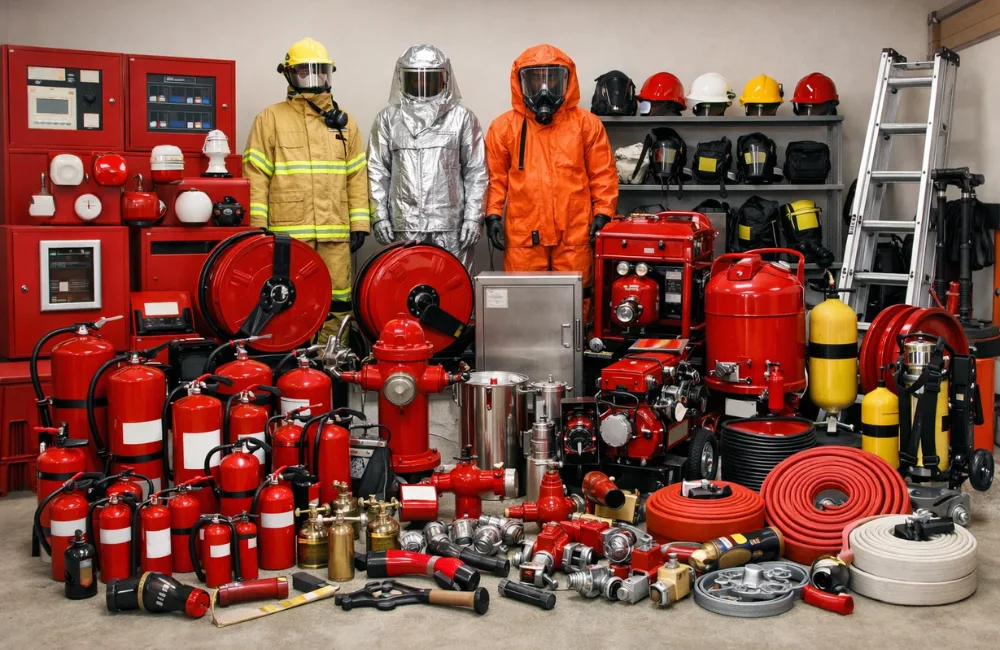
Fire safety is always a top priority in industries, commercial spaces, and even residential areas. But with the growing concern for environmental responsibility, manufacturers and fire fighting equipment suppliers in Kenya are making strides in developing solutions that not only protect lives & property but also reduce the impact on the environment. Innovations in fire protection are reshaping the industry, making it safer & greener for everyone.
Let’s take a closer look at how fire fighting equipment is becoming more eco-friendly and why this shift is so important.
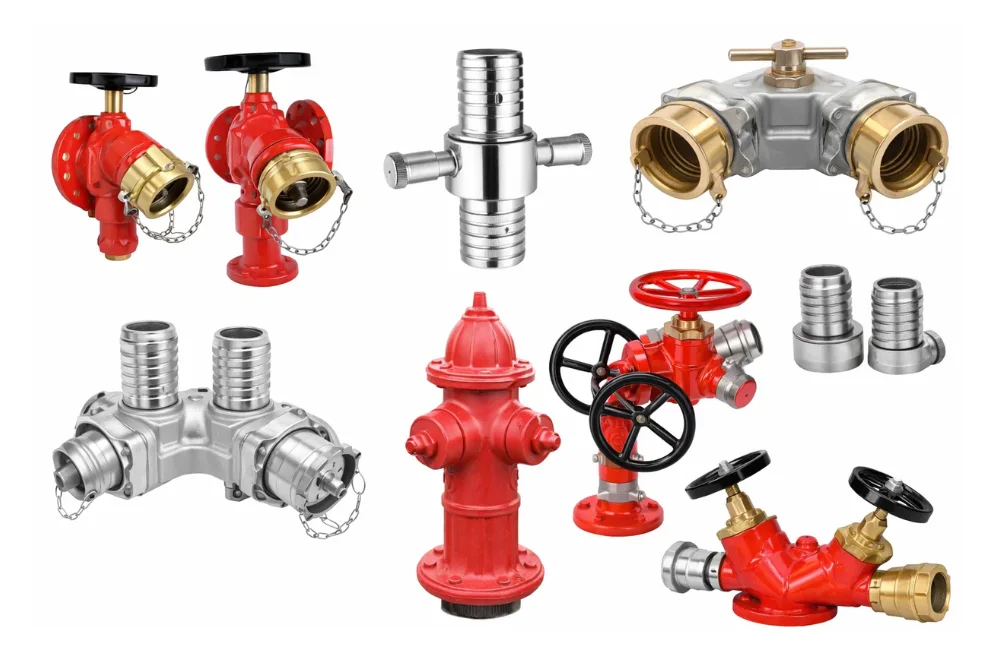
The Push Toward Sustainable Fire Protection
Traditionally, some fire suppression systems used chemicals that were harmful to the environment, including ozone-depleting substances and high-global-warming-potential agents. With tougher global regulations & a growing awareness of environmental issues, the fire protection industry is moving toward greener alternatives.
Today’s focus is on:
- Reducing toxic discharge
- Minimizing water waste
- Using recyclable materials
- Lowering the carbon footprint in manufacturing
This shift not only aids businesses stay compliant with regulations but also supports sustainability goals.
Environmentally Friendly Fire Suppression Agents
One of the biggest innovations has been the development of cleaner, more eco-friendly suppression agents.
1. Clean Agent Systems
Modern clean agents like FK-5-1-12 and inert gas systems are designed to put out fires without leaving harmful residues. Compared to older halon-based systems, these newer agents:
- Have zero ozone depletion potential
- Have very low global warming impact
- Leave no residue that can contaminate equipment or the environment
These systems are perfect for sensitive environments such as data centers and hospitals, where protecting both the property and the surrounding area is critical.
2. Water Mist Technology
Water mist systems use very fine droplets to suppress fires efficiently. Because the droplets are much smaller than those in traditional sprinklers, they:
- Use up to 90% less water than conventional systems
- Reduce the amount of water damage to property
- Limit contaminated runoff into the environment
Many fire fighting equipment suppliers are now recommending water mist systems for modern buildings, as they balance efficiency and eco-friendliness.
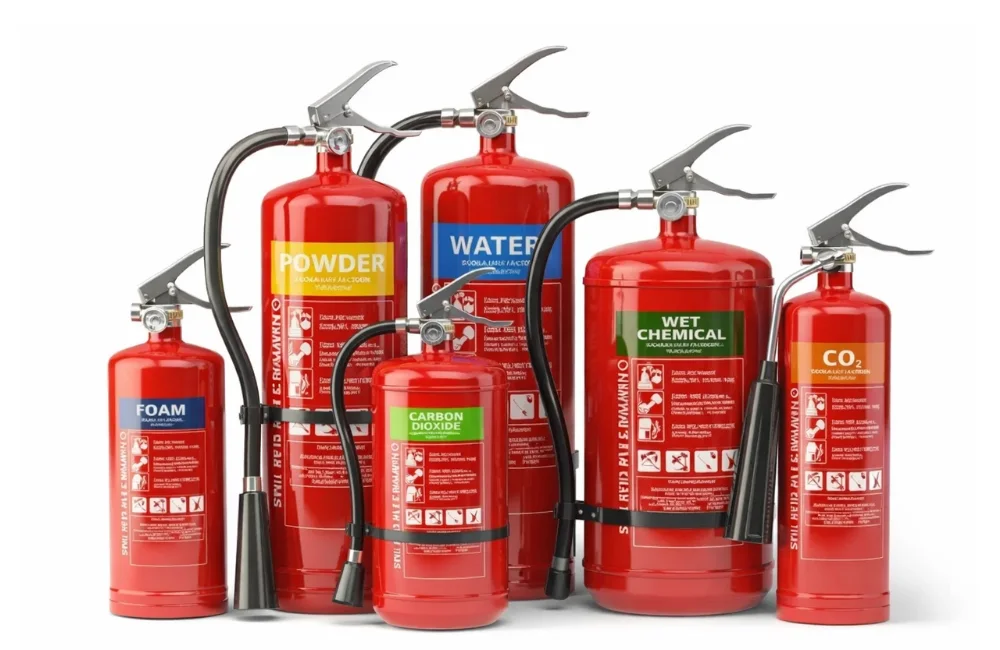
Greener Fire Extinguishers
Portable fire extinguishers have evolved as well, with a strong focus on reducing environmental impact.
Key improvements include:
- Non-toxic extinguishing agents replacing older chemical formulas
- Refillable cylinders that reduce metal waste
- Improved recycling programs for expired units
- Water-based extinguishers for low-risk fires
Manufacturers are also designing extinguishers that need to be replaced less often, further reducing the environmental footprint.
Sustainable Materials and Manufacturing
The move towards sustainability starts even before the fire fighting equipment reaches the market.
What’s changing:
- Use of recyclable steel and aluminum in cylinders
- Powder coating processes that emit fewer pollutants
- Energy-efficient manufacturing plants
- Less packaging waste
While these improvements may seem small on their own, when scaled across thousands of units, they make a significant difference in reducing the carbon footprint of fire safety equipment.
Smart Fire Detection and Prevention Systems
Another major shift in the industry is the rise of smart technology in fire detection. These systems help prevent fires from escalating, indirectly reducing their environmental impact.
Benefits of smart fire systems:
- Early detection reduces the extent of fire damage
- Less water and chemical discharge needed
- Remote monitoring cuts down on maintenance visits
- Predictive maintenance reduces waste and improves system performance
By controlling fires more effectively, there’s less smoke pollution, less contaminated runoff, & less structural waste.
Also Read-Difference Between Basic and Advanced Fire Fighting Equipment
Compliance With Global Environmental Standards
Environmental regulations are becoming stricter around the world, and Kenya is no exception. Modern fire safety equipment is increasingly designed to comply with:
- International environmental protocols
- ISO environmental standards
- Ozone protection guidelines
- Local safety and environmental regulations
Working with experienced fire fighting equipment suppliers ensures that businesses stay compliant while also adopting more sustainable solutions.
The Role of Proper Maintenance
Even the most eco-friendly equipment can become harmful if not properly maintained. Regular servicing is essential to:
- Prevent leakage of suppression agents
- Ensure optimal system efficiency
- Extend equipment lifespan
- Reduce unnecessary replacements
Preventive maintenance is a simple way businesses can support environmental responsibility while keeping their fire safety systems in top shape.
Why Businesses Should Care
Choosing eco-friendly fire fighting equipment is more than just about staying compliant—it brings real business benefits too.
Practical advantages include:
- Lower environmental liability
- Reduced cleanup costs after discharge
- A better corporate sustainability profile
- Improved safety for employees & occupants
- Long-term operational savings
Upgrading to greener fire systems often results in savings over time, making the investment worthwhile for businesses.
Conclusion
Fire protection is no longer just about putting out fires—it’s about doing so in a way that’s responsible, efficient, and sustainable. With advancements in clean agents, water mist systems, recyclable materials, & smart technology, the fire protection industry is heading toward greener, more eco-friendly solutions. Businesses that partner with reliable fire fighting equipment suppliers in Kenya can improve safety while supporting their environmental goals. For top-notch, high-performance fire protection solutions, Blackwood Hodge Power Services LTD is the trusted partner committed to both safety and sustainability.