Operating a forklift is not just about handling the controls and lifting loads. It also involves understanding the language of the trade. Whether you’re a beginner or an experienced operator, knowing the essential forklift terms improves communication, enhances safety, and ensures efficiency on the job. Additionally, it helps when dealing with service technicians, warehouse managers, or even while speaking to forklift suppliers in Kenya for new equipment or parts.
In this blog, we will break down the most common forklift terms every operator should be familiar with. From technical components to operating features, this guide will help build your vocabulary and deepen your understanding of forklift operations.
1. Mast
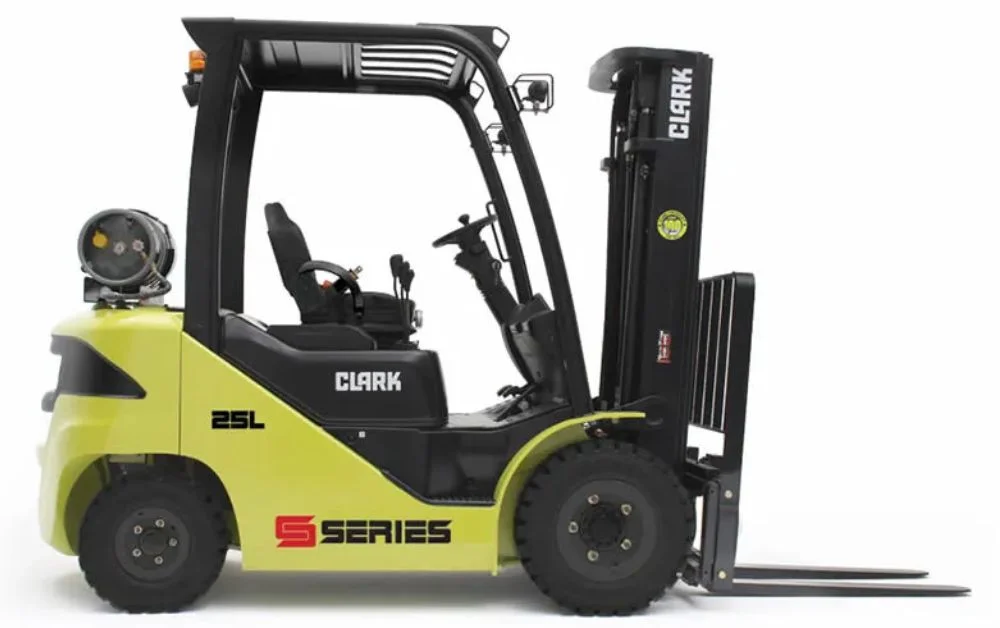
The mast is the vertical assembly on the front of the forklift that raises and lowers the load. It’s the part that supports lifting height and stability. Masts come in different types like:
- Two-Stage Mast (V Mast): Ideal for low-clearance areas.
- Three-Stage Mast (FV Mast): Offers higher lift heights while keeping a compact collapsed height.
- Quad Mast: For maximum lifting in high-stacking warehouses.
Understanding the mast type is crucial when purchasing or renting equipment from forklift suppliers in Kenya, as it directly affects how and where you can use the forklift.
2. Carriage
The carriage is the support structure where the forks are mounted. It moves along the mast and plays a key role in supporting the load. There are attachments like clamps, rotators, and side shifters that can be installed on the carriage to suit different applications.
3. Forks (Tynes)
Forks are the horizontal arms used to lift and carry loads. They come in various sizes and thicknesses based on the type of load being handled. Operators should know the correct fork spacing and how to inspect for damage before use.
4. Counterweight
Located at the rear of most forklifts, the counterweight is a heavy mass designed to balance the weight being lifted at the front. Overloading the forklift beyond the counterweight’s capacity can lead to tipping accidents, making it a crucial safety aspect.
5. Load Center
The load center refers to the distance from the vertical face of the forks to the center of gravity of the load. Most forklifts are rated for a 24-inch load center. If the load center is too far out, even a weight within the capacity limit can become dangerous.
6. Tilt Cylinder
These hydraulic cylinders allow the mast to tilt forward or backward, helping to stabilize or place the load. Understanding this helps operators maneuver loads more effectively, especially on uneven surfaces.
7. Overhead Guard
This is the metal roof-like structure that protects the operator from falling objects. Though not a guarantee of safety in extreme conditions, it is a critical component of operator protection.
8. Capacity Plate (Data Plate)
The data plate provides important information like load capacity, lift height, and load center. Operators must always read and understand this plate before using the forklift to avoid exceeding safe limits.
9. Side Shifter
A side shifter is a hydraulic attachment that allows the forks to move left or right without moving the forklift itself. It enhances productivity by allowing more precise load placement, especially in tight spaces.
10. Free Lift
Free lift refers to the ability of the forks to rise without increasing the height of the mast. This is especially important in areas with low ceilings like containers or mezzanine floors.
11. Lift Height
This term refers to how high the forklift can lift a load. It is a critical factor when selecting equipment from forklift suppliers in Kenya, especially for high-rack warehouses.
Related read:-Choosing the Right Forklift with Expert Advice from Forklift Suppliers in Kenya
12. Travel Speed
This is the speed at which the forklift moves when not lifting a load. It’s essential for time management in large facilities but must be managed carefully to ensure safety.
13. Turning Radius
The turning radius is the minimum space required for a forklift to make a complete turn. Electric forklifts usually have a tighter turning radius compared to internal combustion forklifts, making them suitable for narrow aisles.
14. Gradeability
Gradeability refers to the maximum slope or incline a forklift can climb with a load. This is especially important for outdoor applications or ramps leading to warehouses.
15. Operator Presence System (OPS)
OPS is a safety feature that disables the forklift’s movement if the operator is not seated. It helps prevent accidental movement and is now standard in most modern forklifts.
Why Knowing These Terms Matters
Understanding these forklift terms is more than just learning jargon. It ensures:
- Better communication with team members and supervisors
- Safer operations and fewer accidents
- Easier troubleshooting and reporting of mechanical issues
- Smart decision-making when selecting or renting forklifts
When speaking to service teams or forklift suppliers in Kenya, being familiar with this terminology makes the entire process smoother and more professional.
Conclusion: Rely on a Trusted Name for All Forklift Needs
As forklift technology and warehouse logistics continue to evolve, being well-versed in common forklift terms is no longer optional — it’s essential. And when you’re ready to buy, rent, or service your equipment, working with the right supplier is just as important.
One company that has built a strong reputation in the industry is Blackwood Hodge Ltd. As one of the leading forklift suppliers in Kenya, they offer expert guidance, quality machines, and exceptional after-sales service. For operators and businesses looking to lift their productivity and safety, Blackwood Hodge Ltd is a name you can trust.