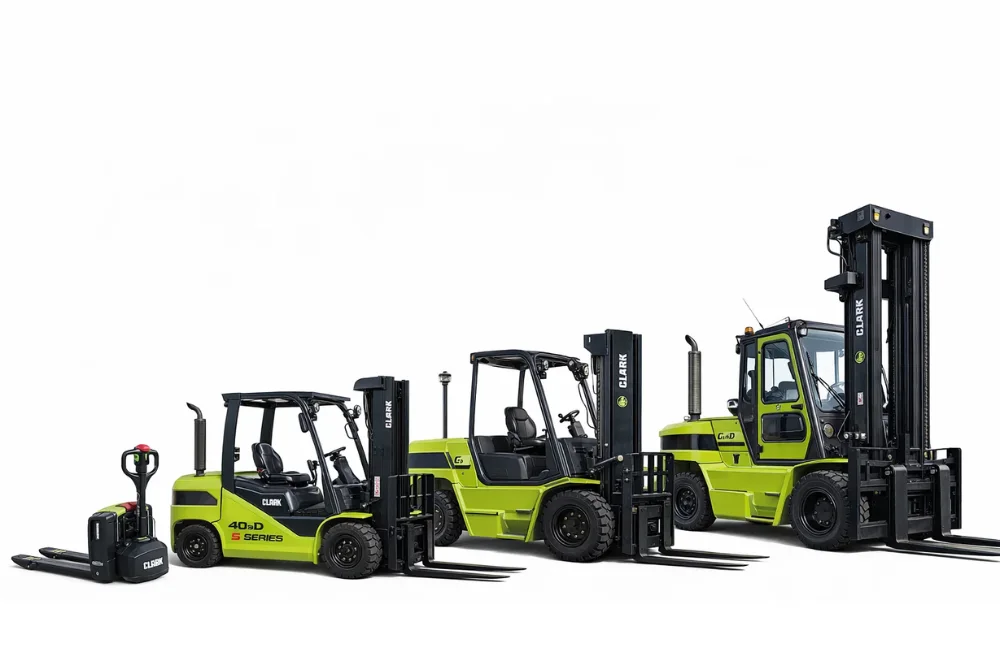
Forklifts are essential tools in warehouses, factories, and logistics hubs, enabling businesses to move heavy loads quickly and safely. Choosing the right forklift can have a major impact on productivity, reduce operational costs, and enhance safety in the workplace. With so many options available, it can be overwhelming. That’s why working with a reliable forklift suppliers in Kenya is so important. Before making a purchase, it’s crucial to understand the key features that will give you long-term value and performance.
Load Capacity
The first thing to consider when selecting a forklift is its load capacity, which determines how much weight it can safely lift and carry.
- Rated Capacity: Always check the manufacturer’s rated capacity, which indicates the maximum safe load the forklift can handle.
- Load Center: Consider how weight is distributed on the forks. If the load is uneven, it can reduce the lifting capacity & cause instability.
- Future Requirements: It’s important to think about not just your current needs but also any future growth. Choose a forklift that can handle your anticipated requirements to avoid frequent upgrades.
Choosing the right load capacity ensures safety and prevents unnecessary accidents or damage to both the equipment and the goods you’re handling.
Lift Height and Reach
Another important feature to consider is the forklift’s lift height and reach capabilities. These determine how high and how far it can transport materials.
- Maximum Lift Height: If you’re working with high racking systems, this is especially important. Make sure the forklift can reach the required height for stacking pallets efficiently.
- Mast Type: The type of mast (two-stage, three-stage, or four-stage) affects the reach and stability. It’s important to select a mast that balances reach with stability.
- Extended Reach: In warehouses with narrow aisles, having a forklift with extended reach can optimize space utilization.
Ensuring the forklift’s lift height and reach match your storage and operational layout helps streamline workflows & avoid congestion.
Power Type
Forklifts operate on different power sources, and choosing the right one depends on your operational environment.
- Diesel Forklifts: These are ideal for outdoor and heavy-duty applications. They are powerful, durable, and can operate in more rugged environments.
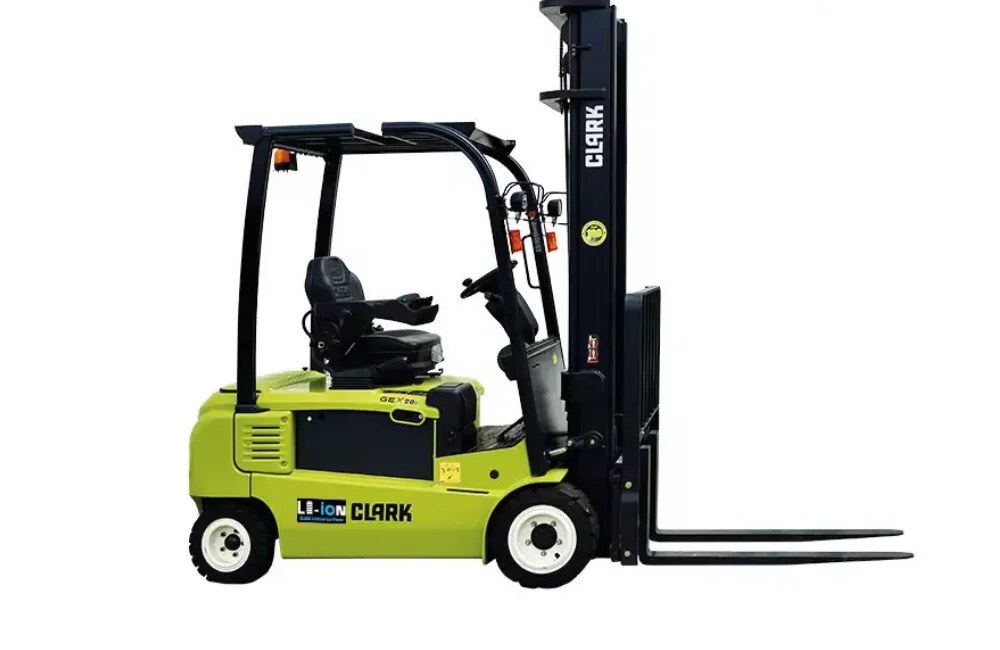
- Electric Forklifts: Perfect for indoor operations. They are environmentally friendly, produce zero emissions, and are much quieter than other options.
- LPG Forklifts: These offer a balance between outdoor and indoor use. They’re cleaner than diesel forklifts but require fuel storage.
Working with a trusted forklift supplier can help you determine which power type best suits your environment and usage.
Maneuverability and Ergonomics
Efficiency in material handling comes down to how easily the forklift can move in tight spaces & how comfortable it is for operators.
- Turning Radius: A smaller turning radius is crucial for navigating narrow aisles and crowded areas.
- Operator Cabin: Look for adjustable seats, good visibility, and intuitive controls. These features help reduce operator fatigue and improve productivity.
- Control Systems: Advanced forklifts may have electronic controls for smoother handling and increased precision.
Good ergonomics improve not just productivity but also reduce the risk of accidents and injuries.
Related read:-Electric vs Diesel Forklift: Which One Is Better for You?
Safety Features
Safety should always be a top priority when choosing a forklift. Modern forklifts come equipped with numerous safety features:
- Overload Protection: This feature ensures the forklift doesn’t lift loads beyond its capacity.
- Stability Systems: Anti-tip mechanisms improve balance, mainly when driving on uneven surfaces.
- Braking Systems: Reliable braking systems (hydraulic or electronic) provide strong stopping power.
- Visibility and Lighting: Features like LED lights and mirrors improve awareness, particularly in busy or dimly lit environments.
These safety features help maintain both operator and workplace safety, ensuring compliance with safety standards.
Durability and Maintenance
Forklifts are a significant investment, so you’ll want one that’s built to last and is easy to maintain.
- Build Quality: Heavy-duty frames and high-quality components ensure the forklift will stand up to the demands of tough work environments.
- Serviceability: Look for forklifts that allow easy access to parts and offer simple maintenance procedures. This reduces downtime and increases productivity.
- Warranty and Support: Reliable forklift suppliers provide warranties and after-sales support to keep your equipment in top condition.
A forklift that’s easy to service and maintain can save your business time and money in the long run.
Technology and Automation
Forklift technology has come a long way, & modern models now come with several high-tech features that can make operations even more efficient.
- Telematics: These systems track usage, maintenance schedules, and performance metrics, helping you monitor the forklift’s condition and avoid unexpected failures.
- Load Sensors: These sensors detect uneven or overloaded loads, helping prevent accidents.
- Automated Features: Some forklifts now offer semi-autonomous or fully automated operation, ideal for high-volume facilities.
Technology enhances efficiency, extends the life of the equipment, and improves overall safety.
Conclusion
Choosing the right forklift isn’t just about picking the one with the highest capacity. By partnering with an experienced forklift supplier in Kenya, you can make an informed decision that will keep your operations running smoothly, safely, and efficiently. For reliable forklifts backed by expert support and service, Blackwood Hodge Power Services LTD is a trusted choice for businesses.