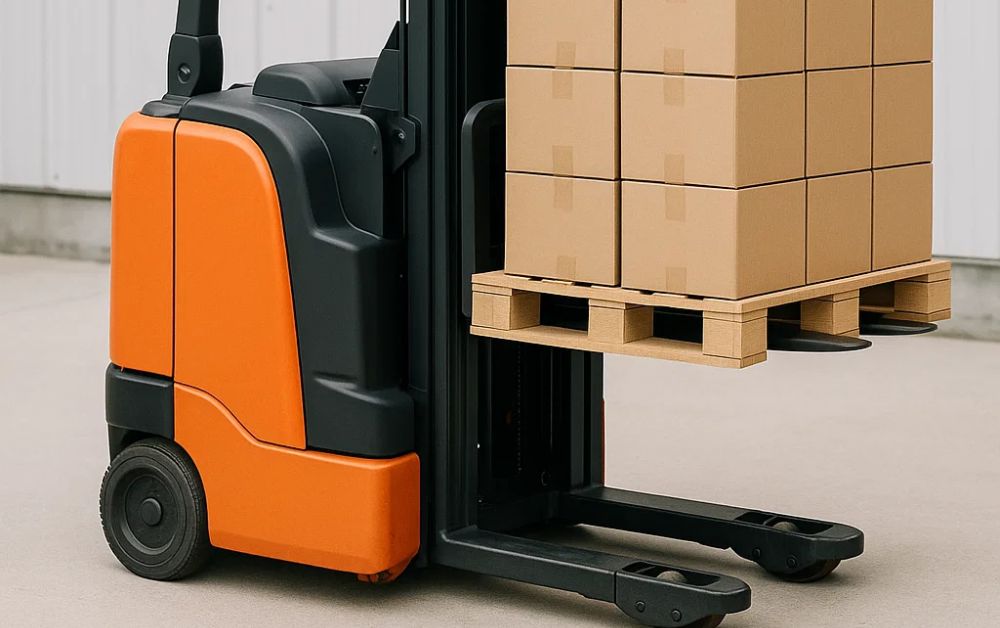
Warehousing and material handling have changed dramatically over the last few years. With tighter schedules, rising energy costs, and increasingly stringent sustainability goals, choosing the right pallet truck can make a significant difference in productivity & long-term savings.
For decades, lead-acid pallet trucks were the industry standard. But now, lithium-ion pallet trucks are reshaping how businesses move goods—offering greater efficiency, lower maintenance, & a cleaner environmental footprint.
Let’s break down the differences and see which option makes the most sense for your operation.
Understanding the Basics
Before diving into the comparison, it’s helpful to know what sets these two battery technologies apart.
-
Lead-Acid Batteries:
These have powered pallet trucks for generations. They are affordable upfront but need constant attention—watering, cleaning, & long charging times. Without proper maintenance, their performance & lifespan quickly drop.
-
Lithium-Ion Batteries:
A newer alternative that delivers higher energy density, faster charging, and a much longer life cycle. They’re maintenance-free and often come with built-in management systems that monitor battery health and prevent overcharging.
In short, lead-acid batteries are tried and tested, while lithium-ion brings modern performance and convenience.
-
Performance and Efficiency
When it comes to performance, lithium ion pallet trucks take the lead. They deliver consistent power from the first minute of use until the battery runs out. In contrast, lead-acid batteries gradually lose voltage as they discharge, which can make trucks sluggish over time.
Here is how lithium-ion models outperform:
- Higher Productivity: Operators can work longer without interruptions.
- Consistent Power: No slowdown or power dip during a shift.
- Better Maneuverability: Smooth acceleration makes it easier to navigate tight warehouse spaces.
Lead-acid trucks can still get the job done, but during peak hours, performance drops can slow operations and affect output.
-
Maintenance and Long-Term Costs
Maintenance is one of the most significant factors to consider.
Lead-acid batteries need regular attention:
- Watering to keep cells hydrated.
- Cleaning to prevent corrosion.
- Equalizing charges to balance cell voltage.
They also require safe, ventilated charging spaces to manage fumes.
Lithium ion pallet trucks, on the other hand, are virtually maintenance-free. There’s no watering, no acid leaks, & no complicated maintenance schedules. Built-in battery management systems handle everything automatically.
While the initial cost tag is higher, the longer lifespan and reduced maintenance make lithium-ion trucks more cost-effective in the long run.
-
Charging Convenience
Charging is another significant difference among the two.
-
Lead-Acid Batteries:
Need 8–10 hours for a full charge, plus cooldown time afterward. To maintain continuous operations, many warehouses keep spare batteries on hand, which adds cost and complexity.
-
Lithium-Ion Batteries:
Can recharge fully in 1–2 hours and even handle opportunity charging—quick top-ups during breaks or shift changes. This means no downtime, no battery swaps, and no interruptions.
They’re also more energy-efficient, using less power overall & lowering electricity costs.
-
Environmental Impact
Sustainability is now a significant factor in equipment selection.
Lead-acid batteries contain toxic materials, like lead & sulfuric acid, which must be handled & disposed of carefully. Mishandling can cause serious environmental harm.
Lithium-ion batteries, by contrast, are cleaner and more energy-efficient. They don’t release fumes or acids, and their long lifespan means fewer replacements and less waste. For businesses working toward greener operations, they are the more responsible option.
-
Safety and Operator Comfort
Safety is another area where lithium-ion technology excels.
Lead-acid batteries can leak acid, emit gas during charging, and are much heavier, increasing handling risks. Lithium-ion batteries eliminate these concerns. They’re lighter, sealed, and have integrated management systems that prevent overheating or overcharging.
This makes for a safer, cleaner, and more user-friendly workplace—especially important in high-traffic warehouses.
Related read:-The Future of Pallet Trucks: Automation and Smart Material Handling
Which Is Better for Your Business?
Both technologies have their place:
- Lead-Acid Pallet Trucks: Suitable for smaller operations or businesses with limited budgets and moderate usage.
- Lithium Ion Pallet Trucks: Ideal for busy warehouses & companies that value long-term savings, minimal maintenance, and sustainable operations.
When you consider efficiency, safety, & overall cost over time, lithium-ion is the clear winner.
In Conclusion
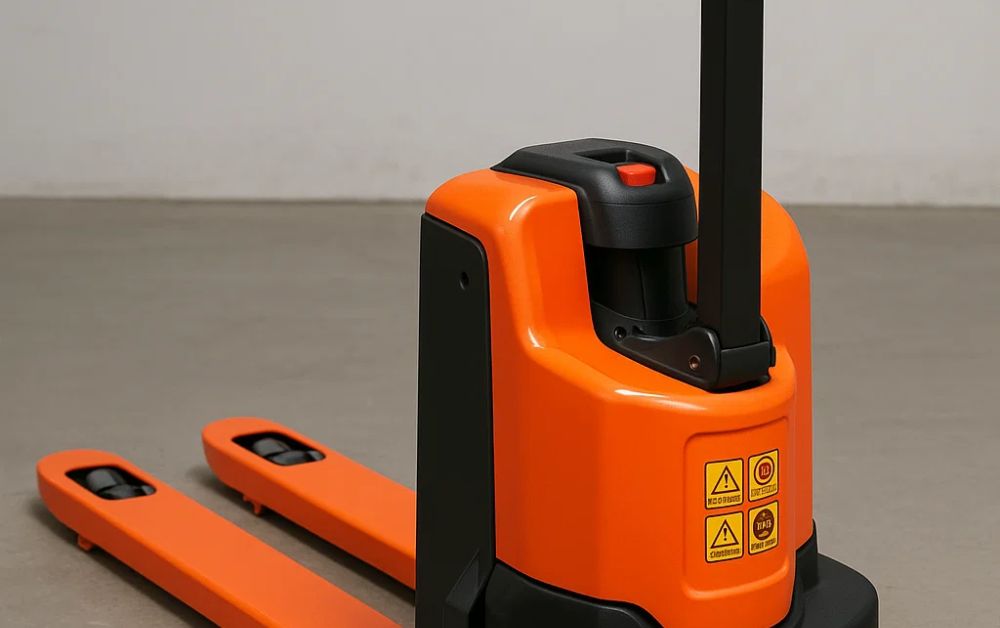
The move toward lithium ion pallet trucks marks a significant step forward in material handling. They give consistent performance, faster charging, and cleaner, safer operation—making them the wise choice for modern warehouses.
For companies in Kenya seeking durable, efficient solutions, Blackwood Hodge Power Services Ltd offers a range of lithium-ion pallet trucks designed to improve productivity & support sustainable growth in industrial and commercial environments.