As the world shifts toward sustainability, the energy sector is undergoing one of its biggest transformations yet. Businesses, governments, and communities are all looking for cleaner, more responsible ways to power their operations. Diesel generators — long considered essential but environmentally challenging — are evolving fast to meet this demand.
Leading diesel generator manufacturers in Kenya are redesigning their products with efficiency and eco-friendliness in mind, ensuring that reliable power no longer comes at the expense of the planet.
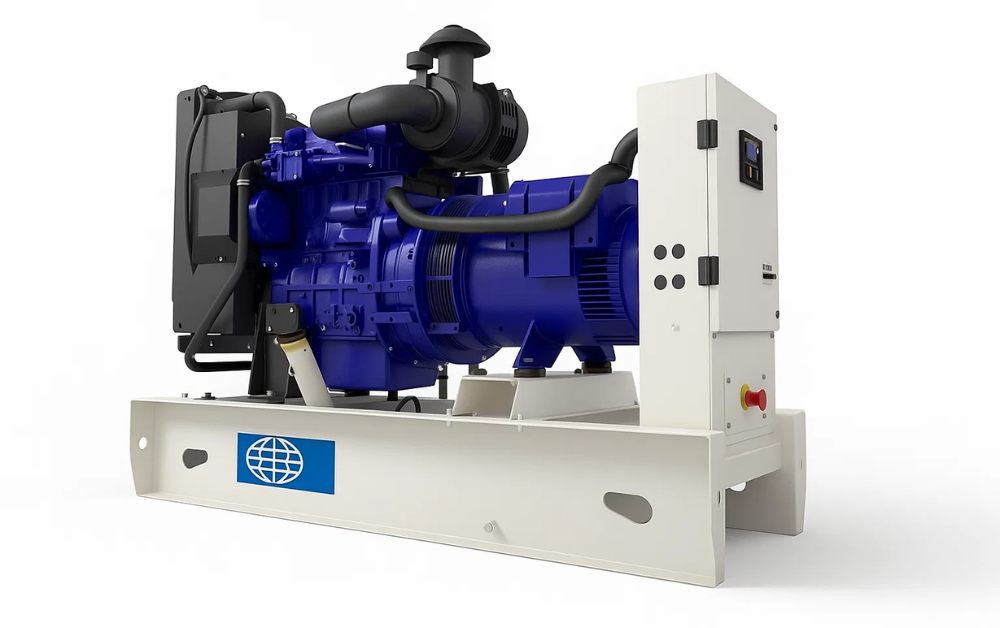
Rising Demand for Cleaner Energy
In recent years, the global push toward cleaner energy has grown stronger than ever. Concerns about climate change, high fuel costs, & stricter emissions regulations have prompted industries to rethink their power generation strategies.
While renewable energy sources such as solar & wind continue to expand, diesel generators remain critical for backup and off-grid applications — especially in regions where the power grid can be unpredictable.
Manufacturers are responding by creating more innovative, cleaner systems that deliver dependable performance while minimizing emissions and fuel use. The focus has shifted from sheer output to sustainable efficiency — power that performs responsibly.
Cleaner Emissions Through Innovation
One of the most impressive developments in modern diesel generators is how much cleaner they’ve become. Older models were known to emit harmful gases such as nitrogen oxides (NOx) & particulate matter. Today, thanks to new engineering techniques, those emissions are being drastically reduced.
Manufacturers are now integrating advanced systems such as:
- Selective Catalytic Reduction (SCR): Converts harmful NOx gases into harmless nitrogen and water using a urea-based solution.
- Diesel Particulate Filters (DPF): Capture soot and fine particles before they reach the air.
- Exhaust Gas Recirculation (EGR): Lowers combustion temperatures by recirculating part of the exhaust, cutting NOx formation.
With these technologies, diesel generators can now meet — and often exceed — international emission standards, making them suitable even for urban or environmentally sensitive locations.
Improving Fuel Efficiency
Beyond emission control, fuel efficiency has become a top priority. Modern diesel generators are built to extract more energy from every drop of fuel.
This is being achieved through:
- Advanced engine design and turbocharging to optimize combustion.
- Load management systems that automatically adjust output in response to demand.
- Hybrid integration with solar or battery storage systems to reduce run time.
These innovations not only cut fuel consumption and emissions but also lower operating costs — a win for both the environment and the bottom line.
Related read:-Understanding kVA, kW & HP in Diesel Generators
Reducing Noise Pollution
Noise is another area where manufacturers have made huge strides. Diesel generators used to be notoriously loud, but modern designs are much quieter thanks to new engineering methods.
Key noise-reduction features include:
- Soundproof enclosures that muffle engine noise without reducing airflow.
- Advanced mufflers are designed to minimize exhaust noise.
- Vibration-damping systems that prevent mechanical rattling.
This makes today’s generators suitable for residential, commercial, and industrial settings alike — providing reliable power without the disruptive roar.
Hybrid and Renewable Energy Integration
The most exciting trend in the industry is the integration of diesel generators with renewable energy systems. Hybrid setups combine diesel power with solar, wind, or battery storage to create a flexible, low-emission solution.
These systems can:
- Cut fuel use by relying on renewable energy whenever possible.
- Provide uninterrupted backup power when the grid fails.
- Extend the generator’s lifespan by reducing engine wear & runtime.
By blending traditional reliability with renewable innovation, diesel generator manufacturers are helping businesses transition smoothly toward greener operations.
Meeting Regulations and Industry Standards
Government regulations are also shaping how generators are planned & manufactured. In Kenya, environmental standards are becoming stricter, requiring lower emissions, better fuel efficiency, & quieter operation.
To stay ahead, manufacturers are investing in R&D to ensure compliance with both local & international standards. This proactive approach not only keeps businesses compliant but also demonstrates a commitment to sustainable progress.
In Conclusion
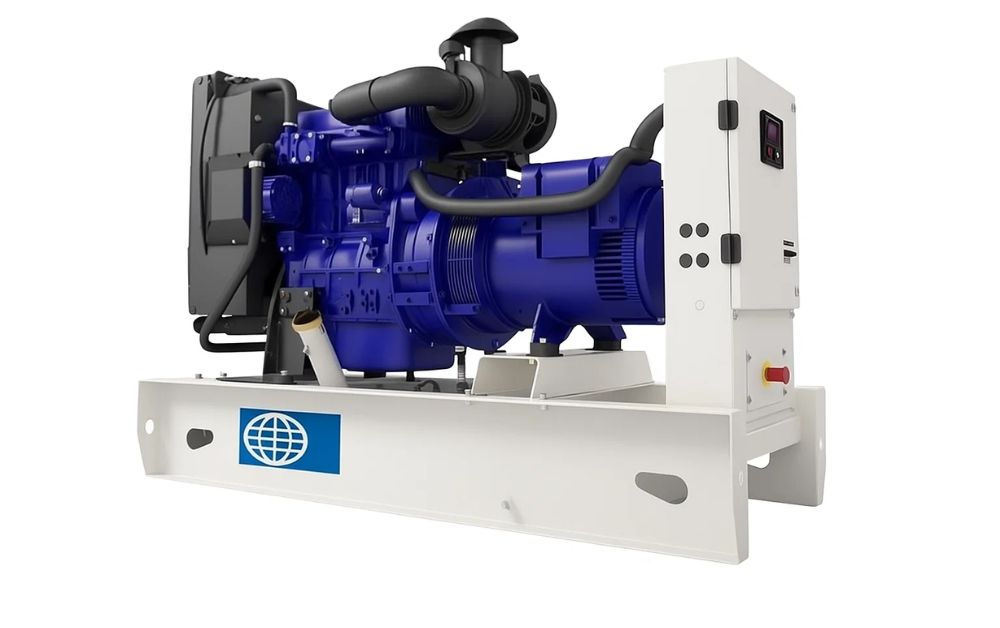
The diesel generator industry is no longer standing still. It’s evolving — becoming cleaner, quieter, and far more efficient. Across Kenya, diesel generator manufacturers are proving that reliability & sustainability can go hand in hand.
Through emission-control technology, fuel-saving designs, hybrid systems, and strict regulatory compliance, these manufacturers are helping businesses power their operations responsibly.
For companies seeking dependable yet eco-friendly energy solutions, Blackwood Hodge Power Services Ltd remains a trusted partner — delivering reliable, sustainable power systems designed to meet Kenya’s growing energy demands.