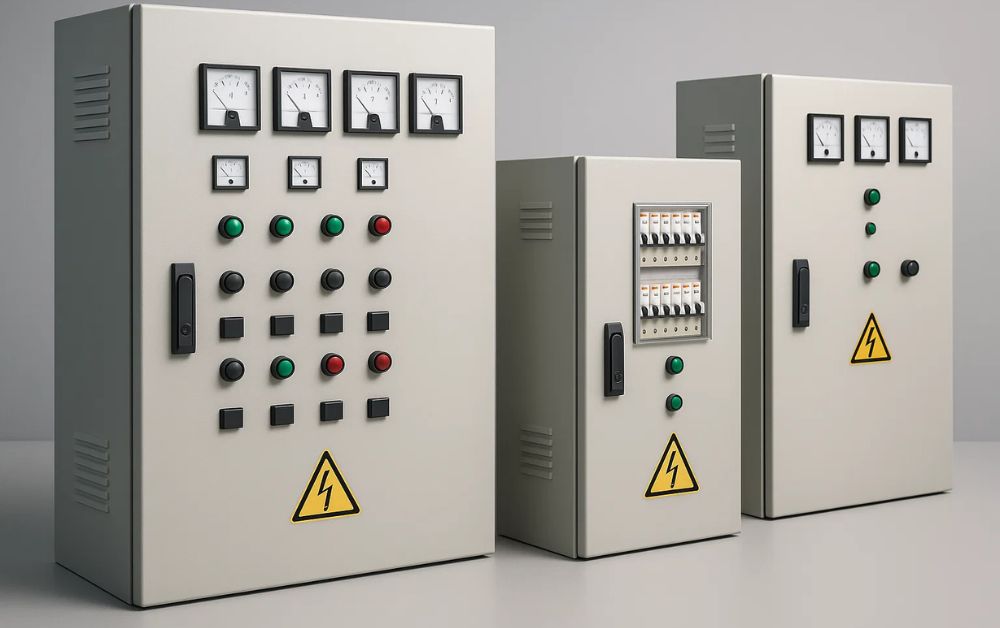
In Kenya’s growing industrial and commercial sectors, control panels play a vital role in ensuring the safe and efficient distribution of electricity. From manufacturing plants and data centers to commercial buildings and infrastructure projects, demand for quality control panels continues to rise. For manufacturers and every Control Panel supplier in Kenya, profitability is not only about selling more units—it’s about streamlining operations, reducing waste, and improving efficiency.
One of the most effective ways to achieve this is by adopting modern Estimation and Enterprise Resource Planning (ERP) tools. These digital solutions can significantly enhance the way control panel businesses manage their operations, from quoting projects to delivering finished products.

Understanding the Challenges in the Control Panel Business
The control panel industry in Kenya faces several operational and financial challenges:
- Complex Project Requirements – Each project may have different electrical specifications, layouts, and safety standards.
- Material Cost Fluctuations – Prices for cables, switches, breakers, and other components can change rapidly.
- Tight Deadlines – Clients often expect quick turnaround without compromising quality.
- Competition – A growing number of local and international players means pricing pressure.
For a Control Panel supplier in Kenya, these challenges can directly impact profit margins if not managed strategically.
How Estimation Tools Improve Profitability
Accurate estimation is crucial in the control panel business. Overpricing can drive customers away, while underpricing can erode profits. Estimation tools help by:
1. Generating Precise Quotes Quickly
Automated estimation software allows suppliers to prepare accurate quotations within minutes, considering material costs, labor, and overheads.
2. Reducing Human Error
Manual calculations can lead to mistakes that cost time and money. Estimation tools minimize errors and ensure consistent pricing.
3. Tracking Material Costs
Some advanced tools integrate live market prices for electrical components, ensuring quotations remain competitive yet profitable.
4. Standardizing Pricing
By using a centralized database, all team members can quote using the same cost parameters, avoiding inconsistencies.
The Role of ERP Tools for Control Panel Supplier in Kenya
ERP (Enterprise Resource Planning) software goes beyond estimation. It integrates various business processes into a single system, providing real-time data and control. For a Control Panel supplier in Kenya, ERP tools offer:
1. Inventory Management
ERP systems track stock levels of essential components like relays, circuit breakers, and wiring. This prevents both stockouts and overstocking, which can tie up capital.
2. Production Planning
By scheduling manufacturing processes efficiently, ERP tools ensure projects are completed on time without unnecessary overtime costs.
3. Cost Control
ERP software monitors expenses across departments, helping identify areas where savings can be made.
4. Quality Assurance
Integrating quality checks within the ERP workflow ensures that panels meet safety and performance standards before delivery.
5. Customer Relationship Management (CRM)
ERP systems often include CRM modules to track client interactions, service history, and feedback—helping build long-term relationships.
Related read:-Energy Efficiency and Power Management in Modern Control Panels
How These Tools Work Together to Boost Margins
When estimation and ERP tools are used together, they create a powerful system for profit optimization:
- Accurate cost estimation prevents underquoting.
- ERP ensures efficient use of resources during production.
- Real-time data enables quick decision-making to address cost overruns.
- Integrated reporting helps management monitor profitability per project.
For example, if material prices rise unexpectedly, the ERP system can alert the estimation software to adjust future quotations accordingly—keeping margins intact.
Implementation Tips for Success
For a Control Panel supplier in Kenya looking to adopt these tools, the following steps can help ensure a smooth transition:
- Choose Scalable Software – Start with essential features but ensure the system can grow with your business needs.
- Train Staff Properly – Employee buy-in is critical. Offer thorough training to ensure everyone uses the tools effectively.
- Integrate Gradually – Implement one module at a time, such as estimation first, then ERP, to avoid disruption.
- Monitor Results – Track KPIs such as quotation accuracy, delivery times, and profit margins to measure impact.
Long-Term Benefits Beyond Profit Margins
While the primary goal of these tools is to increase profitability, they also offer other long-term advantages:
- Improved Customer Satisfaction – Faster quotes and on-time deliveries enhance client trust.
- Data-Driven Decision Making – Managers can analyze historical data to forecast demand and allocate resources more effectively.
- Reduced Waste – Better planning means fewer errors, reworks, and unused materials.
- Competitive Advantage – A reputation for efficiency and reliability can help win more contracts.
Conclusion
In Kenya’s competitive electrical industry, success depends on more than just technical expertise—it requires operational excellence. For any Control Panel supplier in Kenya, adopting advanced estimation and ERP tools can transform business performance, ensuring accurate pricing, streamlined production, and improved customer satisfaction. Among the companies committed to delivering high-quality products and leveraging innovation for better efficiency, Blackwood Hodge (Kenya) Ltd stands out as a trusted partner, offering solutions that align with both business growth and client needs.