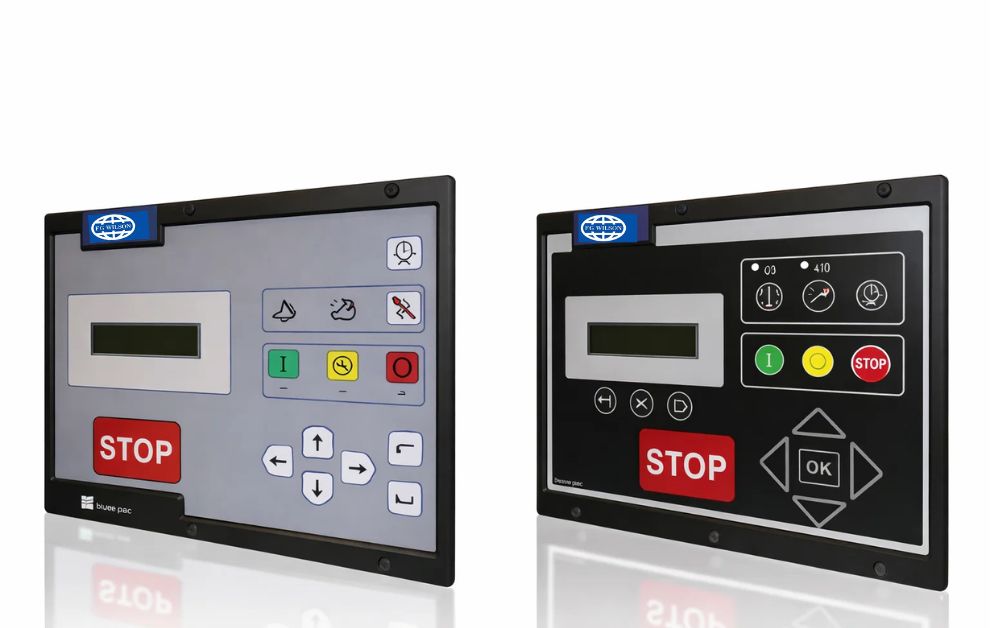
Automation has become a paradigm shift in designing, constructing, and using control panels in any industry in a world where efficiency, connection, and real-time observation are of the essence. To the businesses that are interested in contemporary electrical management systems now, be it in manufacturing, power, water, or material handling, automation is not an add-on feature but is redefining speed, precision, and flexibility requirements. This change particularly applies to people who are doing business with a control panel maker in Kenya, where the changing industrial environments have necessitated smarter and future-oriented solutions.
The core of such a revolution is the combination of the traditional control panel with the innovative technologies of the digital world. Traditionally, the control panels were considered the central nervous system of industrial and commercial systems; manually observed and manually operated systems of control of the distribution of power, management of machines, interlocks of safety, and simple control over the processes. These panels, though reliable, were relatively inflexible, isolated systems that were not always that flexible. Automation is already destroying those barriers today, and the future of the control platform is interconnected, intelligent, and highly efficient.
IoT and Smart Connectivity
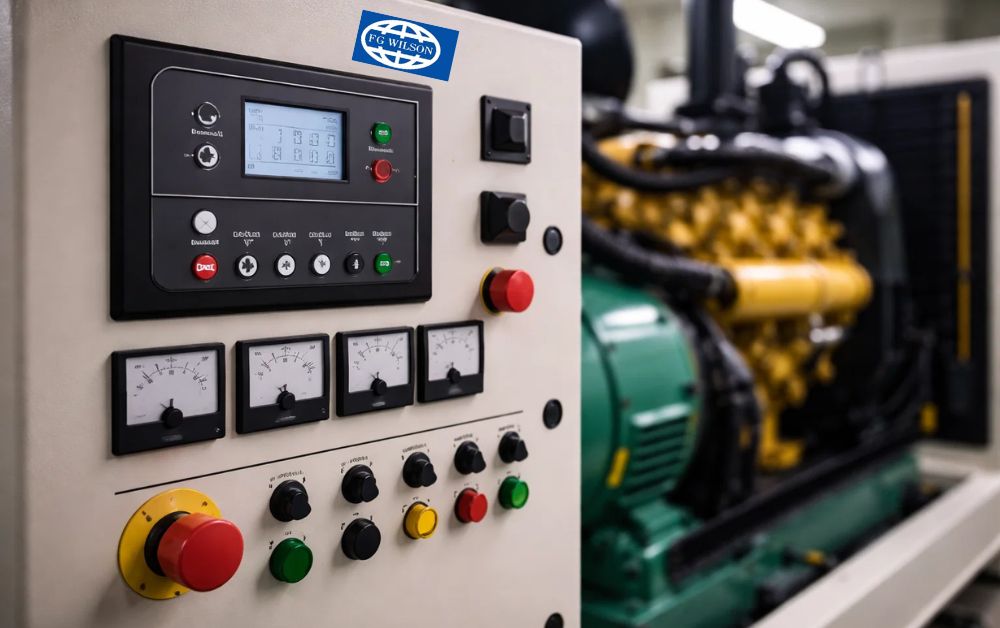
The Internet of Things (IoT) is an essential aspect of the process of changing the nature of control panels into dynamic and interconnected systems. It is now possible to have modern panels that are able to send data in real-time across networks and provide real-time information to cloud platforms and central dashboards. It is no longer required to have operators physically available to monitor systems since data streams can be used to monitor remotely, perform performance analysis, and give prompt notifications when anomalies arise. This connectivity increases predictive maintenance, minimizes unplanned downtime, and increases the life of vital equipment.
With the introduction of IoT integration, the control panels are becoming smart decision-making centers capable of predicting faults, providing energy consumption patterns, and even planning service operations. This understanding is instrumental in complicated systems like manufacturing facilities, power distribution systems, and infrastructural systems, where relatively low inefficiency can cause a serious cost issue.
Machine Learning and Artificial Intelligence
The power of automation goes far beyond the connectivity into the sphere of Artificial Intelligence (AI) and Machine Learning (ML). With these technologies, control panels can process large datasets, identify concealed performance patterns, and manage operations optimally without necessarily involving the human touch. Artificial intelligence can be used to make the control systems more responsive and adaptable to the changing environment, thus enhancing the efficiency of the system under different conditions and minimizing the risk of the human factor.
On a more practical level, AI can assist the panels to forecast the maintenance needs, optimize energy consumption, and adjust to changing production processes. In the facilities that are seeking to maximize output and balance operational costs and sustainability objectives, it is such flexibility that gives them a vital competitive advantage.
Related read:-Energy Efficiency and Power Management in Modern Control Panels
Scalable and Structured Designs
The trend in control panel design is also shifting to a process of modular control panel design, which is being pushed by automation. Rather than designing custom solutions to fit each specific application, producers are developing modular components that can be defined and redefined to suit the requirements of a particular project. This modularity not only enhances the ease with which the panel can be assembled, but also minimizes the time taken in installing the panel, and enables the expansion or upgradation with minimum disturbance in the future.
These scalable systems are priceless in the rapidly moving industrial environment where production requirements or technological requirements can evolve at a blistering speed. Businesses are now able to begin with a simple system and add features as needed, capital-saving, waste reduction, and the agility of systems.
Improved User Interfaces and User Experience.
The user experience of control panels has also increased with automation. The ability to interact with the system through touch-screen, user-friendly graphic interfaces, and customization features allows for navigation to be more straightforward and more efficient. These improvements allow for saving the training expenses and enable the operators to react quickly to the system notifications or modifications in the operational processes. Moreover, better data visualization applications provide a better picture of how the system is performing, and this will allow organisations to make informed decisions at a faster rate.
Industry 4.0 and Smart Manufacturing.
Control panels that are situated on automation are the enablers of intelligent manufacturing in the industry 4.0 context. They are interface points of robotics, automated guided vehicles (AGVs), sensors, and enterprise resource planning (ERP) systems. With this integrated ecosystem, companies are able to coordinate the production process, optimize the supply chain, maintain high standards of quality, and, at the same time, minimize human effort and maximize throughput.
To a manufacturer of control panels in Kenya, these trends indicate that there will be a high demand for flexible, automated systems that would satisfy the various needs of industries. The automation of panels makes them not only efficient today in the context of the drive to digitalization of the manufacturing sector, but also ready to develop further in the future in the case of infrastructure projects that demand reliable control systems.
The Road Ahead
In the future, the control panels will be characterized by unending innovation. Automation will push the limits of what control panels are capable of by implementing blockchain to facilitate safe data sharing, using sophisticated analytics to understand the workings of the system better. The innovations are expected to bring more efficiency, resilience, and intelligence- changes that will make industries beneficial in all parts.
In the case of companies such as Blackwood Hodge (Kenya) Ltd, a market leader in providing a similar solution of power, material handling, and water across the East African region, adopting automation in control panels can serve in relation to their mission statement of providing sustainable growth and operational excellence that can meet the needs of their stakeholders.
Finally
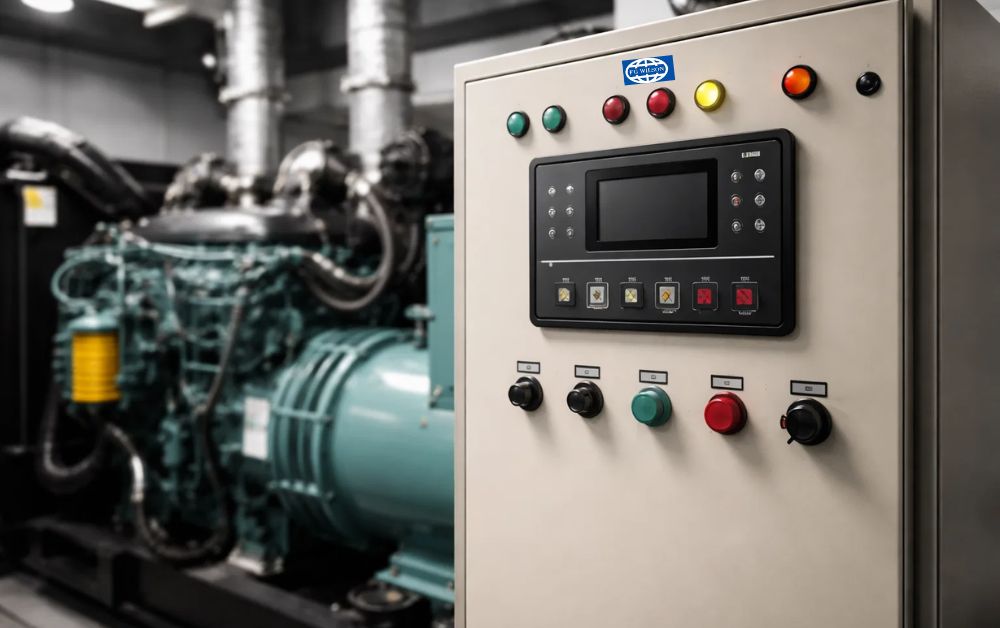
automation is leading to a radical change in the technology of control panels. The future of industrial control systems is being determined by the use of automated control panels to improve connectivity, offline and online data analysis, flexibility, and scalability, meaning that organisations can now work smarter, safer, and more efficiently than ever before. These trends are a challenge and an opportunity for any control panel manufacturer in Kenya or beyond in an ever-developing technological environment.