Among the key decisions you will make in relation to selecting the ideal forklift to use in your business functions is whether to buy an electric forklift or a diesel model. As the material handling and logistics continue to expand rapidly in industries in Kenya and other regions, it is essential to know this option not only in terms of efficiency and productivity, but also in terms of cost savings and environmental effects. When you are looking at the choices of reputable forklift suppliers in Kenya, as in the case of Blackwood Hodge (Kenya) Ltd, which is one of the top providers of advanced power, material handling, and water solutions across East Africa, you are at the correct location to understand how to make the best decision in your business.
Understanding the Basics
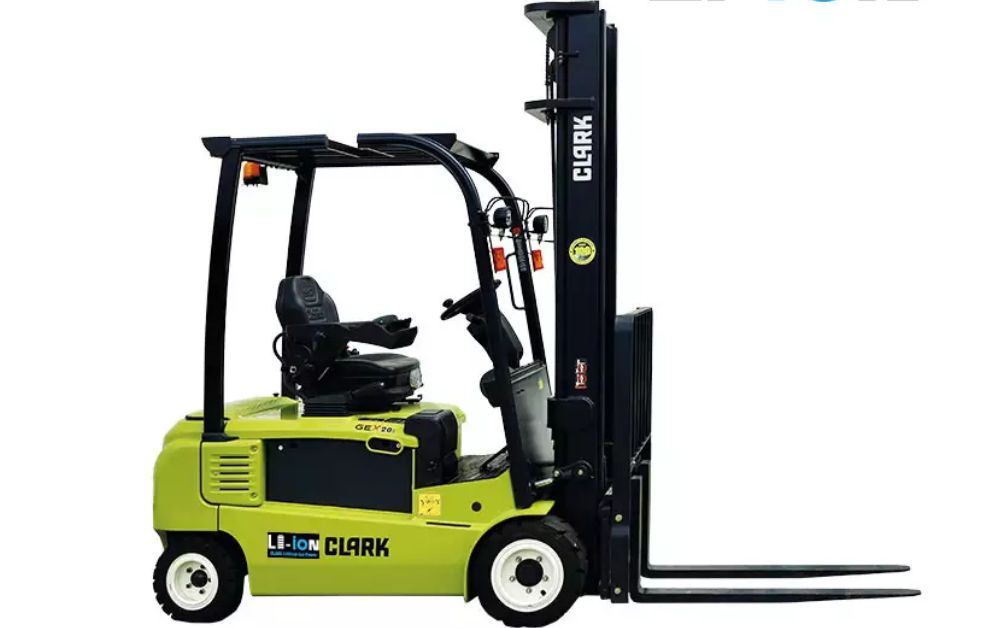
On a more fundamental basis, the most significant difference between the electric and diesel forklifts is their source of power. An electric forklift operates on rechargeable batteries (usually lead-acid or lithium-ion), whereas a diesel forklift uses an internal combustion engine that uses diesel fuel. This fundamental difference influences even such aspects as operating costs or indoor and outdoor functionality.
Electric Forklifts: Major Advantages and Factors.
1. Zero Emission and Cleaner Operation
Emission of exhaust does not occur at the point of usage; electric forklifts are suitable in the indoor environment, such as warehouses, cold storage facilities, and in retail operations, where the quality of air is paramount. Electric power gives workers better health conditions without the diesel fumes.
2. Reduced Operating and Maintenance Cost
Electric models are usually less expensive to run during their lifetime since electricity is cheaper than diesel, and also, the electric forklifts have fewer moving parts, which means fewer breakdowns and less maintenance. One does not have to change engine oil or repair an exhaust system, and regular maintenance may be even easier, including paying attention to the battery.
3. Soundless and More Relaxed
Forklifts that use electricity are also a lot quieter than those that use diesel, making them less noisy in busy facilities. This has the ability to enhance communication, alleviate operator fatigue, and also make the workplace a better place to work.
4. Small Size and Manoeuvrability
Electric forklifts are able to be smaller in size due to reduced automotive parts. This helps them to navigate easily in narrow areas and maximize the available space in the warehouse.
5. Drawbacks to Consider
The expensive nature of the battery and the charging equipment could make electric forklifts even more costly to acquire initially. Their battery capacity limits their duration of operation, and they might need scheduled charges to maintain their operation, or discontinuous operations unless they have spare batteries or fast chargers.
Diesel Forklift: Performance and Power
1. Strong Power and Torque
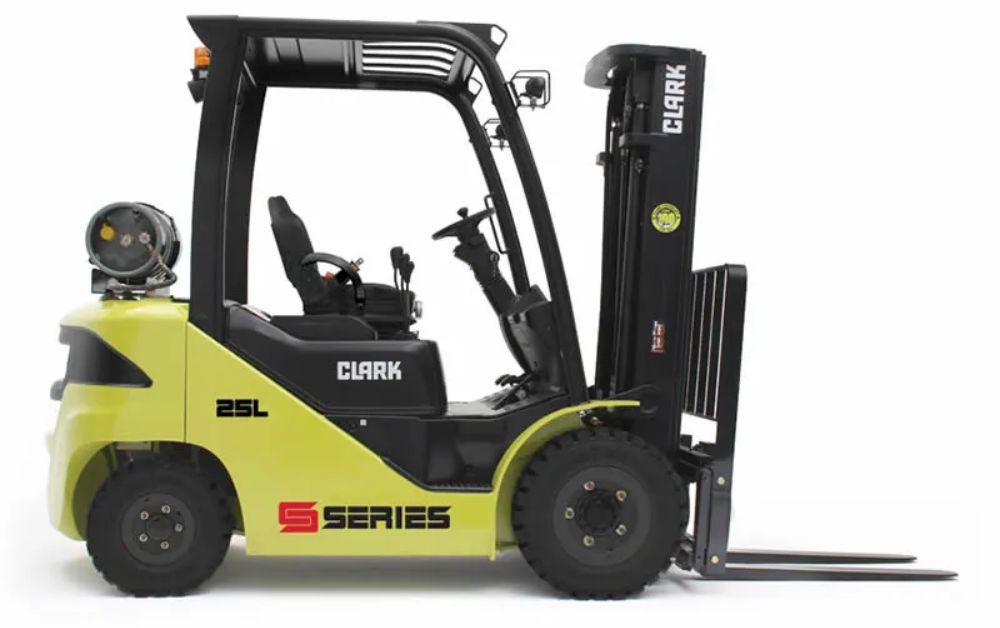
Diesel forklifts are suited for the outside environment and heavy work. Their internal combustion engines provide high torque and lift capabilities, which are ideal in construction sites, lumberyards, ports, and logistics yards, where the area might be rugged or uneven.
2. Extended Continuous Service
One of the most significant benefits of diesel forklifts is that they can operate as long as there is still fuel in the tank. Fueling takes little time, and operations can go on with fewer downtimes as opposed to the battery charging in electric forklifts.
3. Reduced the starting buying, Price.
Generally, diesel forklifts are cheaper in their initial purchase compared to electric ones and are therefore economically appealing to any company with a stricter budget.
4. Drawbacks of Diesel Power
Diesel engines also generate exhaust and are also very noisy, thus cannot be used indoors except in facilities that have excellent ventilation. Their usual maintenance is also generally heavier and more intense as they have complicated engine systems.
Related read:-Choosing the Right Forklift with Expert Advice from Forklift Suppliers in Kenya
Electric vs Diesel: The dilemma to make a choice
The decision of using electricity or diesel forklifts is always up to how you are going to use them. The following are some of the main questions that would be useful in making your choice:
1. In which location will the forklift be deployed?
Electric forklifts are useful in indoor operations with a focus on the quality of air and control of noise. Diesel models are usually favored by the rough terrain outdoor environment.
2. How do you operate?
In the case that you need to use it in numerous shifts without any breaks, the rapid refueling of diesel is beneficial. Nevertheless, when you are involved with the routine changes over time that you can keep charging, then electric forklifts may be highly efficient.
3. Do you take environmental issues seriously?
Electric forklifts emit zero local emissions, which is also consistent with the idea of sustainability and enhances workplace safety, particularly indoors.
4. What are your long-run cost factors?
Electric forklifts are more expensive to purchase, but tend to have lower operating costs during their lifetime, whereas diesel forklifts could be cheaper to purchase but more expensive to maintain.
Conclusion
Electric and diesel forklifts have their obvious advantages, and the final decision will always answer a question of your first priorities. On the one hand, it concerns the type of work you will be doing; on the other hand, it concerns your budget and sustainability concerns. So, whether it is a warehouse full of people in an indoor setting or a rugged logistics yard in the outdoor environment, you have some reliable alternatives when collaborating with reputable forklift dealers in Kenya, such as Blackwood Hodge (Kenya) Ltd– a reputed producer of material handling solutions in the East Africa region. They are well-informed, and quality products make sure that you can find a forklift that corresponds to all your operational priorities and long-term development.