When it comes to keeping construction sites dry and safe, especially during excavation or rainy seasons, nothing beats a reliable dewatering solution. Whether you are dealing with seepage from the ground, rainwater accumulation, or flooding caused by unforeseen weather, using the right dewatering pump can make the difference between smooth progress and costly delays. For anyone looking to source pumps in East Africa, a Dewatering Pump supplier in Kenya, such as Blackwood Hodge (Kenya) Ltd., can offer quality, reliability, and local support.
In this guide, we will explore what dewatering pumps are, how they work, the types available, why they matter on construction sites, how to choose the right one, and how maintenance practices can prolong their life.
What is a dewatering pump?
A dewatering pump, basically, is a device used to take away unwanted water-groundwater, rainwater, seepage-from construction sites, excavations, trenches, and basements, or, for that matter, any site that may be in danger of being swamped by water accumulation, vitiating work progress or structural stability.
The concept is pretty simple: if water is where it shouldn’t be, whether it’s slowing down the work, making the foundation soggy, or threatening soil stability, a dewatering pump helps evacuate it fast and efficiently so construction can proceed in a dry, stable environment.
Pumps for Dewatering: How They Work — Basic Mechanism
Fundamentally, most dewatering pumps convert mechanical energy into hydraulic energy. They push water from the source – groundwater, rainwater, or flooded excavation – through to a discharge area of drain, sand bed, or safe water outlet.
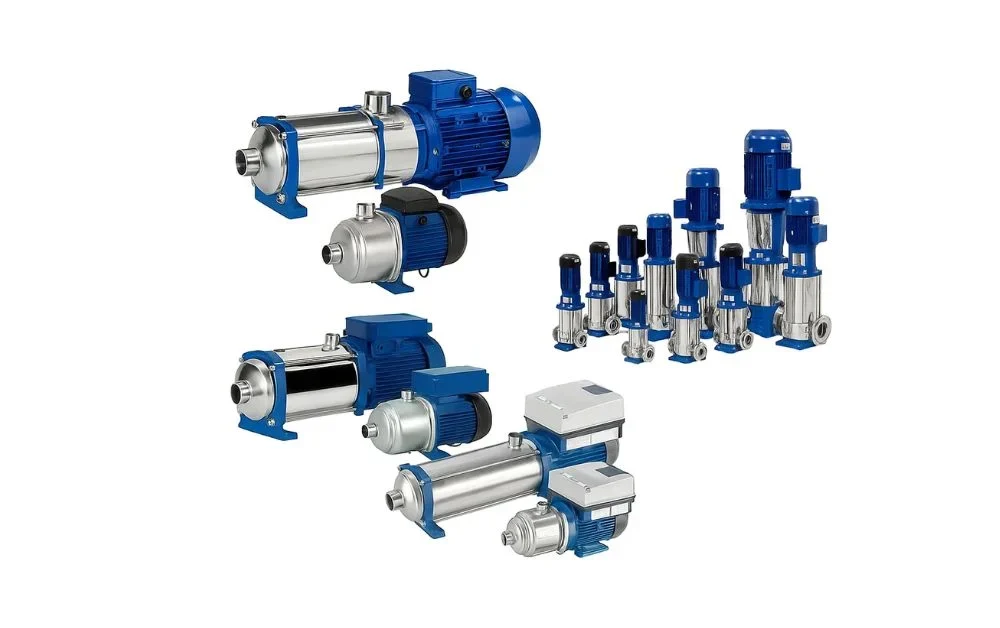
- The impeller of a centrifugal dewatering pump, the most common variety, is rotated by a motor. The centrifugal force of the rotating impeller draws water in through the suction inlet, accelerates it, and expels it via the discharge outlet.
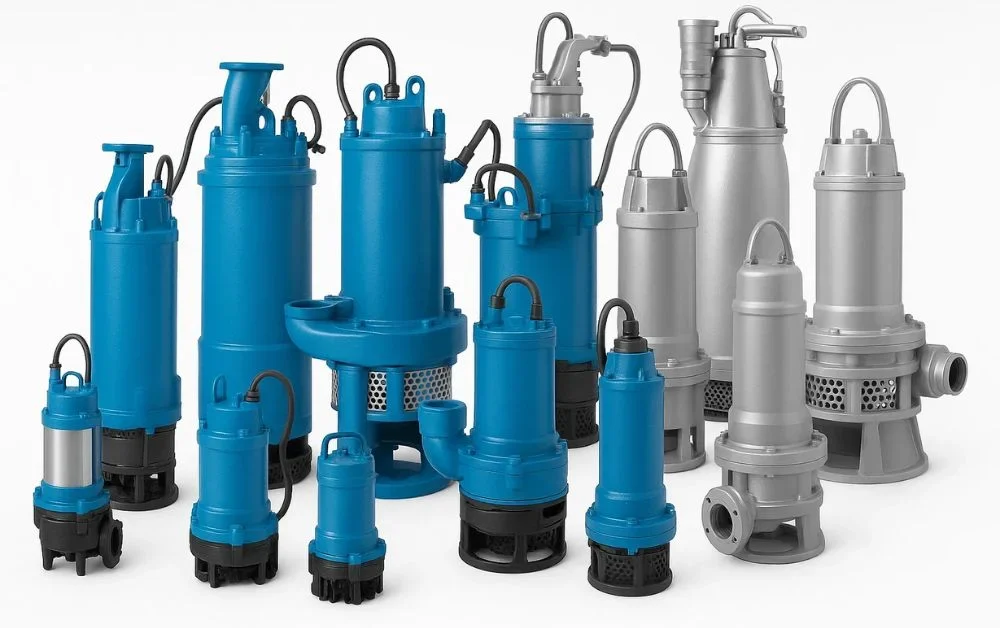
- Submersible pumps are another common variety and are actually placed directly into the water source. Their motors are sealed to prevent water ingress and, therefore, can operate while fully submerged. The water is pushed out under pressure, making them ideal for deep excavations or flooded pits.
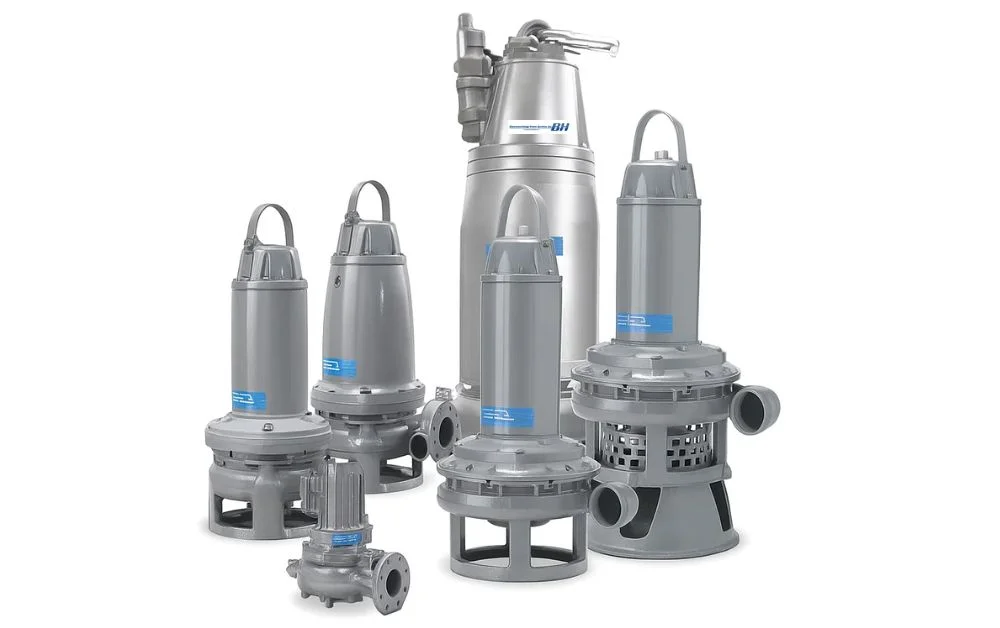
- For applications dealing with solids, sludge, mud, or debris, particularly common on busy construction sites or following heavy rainfall, specialized pumps, including “trash pumps” or slurry/submersible sludge pumps, are utilized. These pumps are designed to handle water combined with silt, sand, or other forms of solid matter without choking.
Types of Dewatering Pumps & Their Typical Uses
Here’s a quick breakdown of popular pump types-and when to use each:
| Pump Type | Best Use / Conditions |
| Centrifugal Dewatering Pumps | High-volume water removal where water is relatively clean (minimal solids), e.g., surface flooding, shallow excavations, trenches |
| Submersible Pumps | Deep excavations, basements, flooded pits, or heavy groundwater areas – especially where suction from above is impractical. |
| Trash / Slurry Pumps | Construction sites with muddy water, silt, sand, or debris – e.g., after heavy rains, near soil excavation |
| Diaphragm / Wellpoint / Sludge Pumps | Sites with contaminated water, sludge, slurry, or when you need to handle abrasive or muddy conditions; also, for groundwater control via wellpoint systems. |
Each type has a different advantage, be it the speed and volume, the ability to handle dirty water, the depth of water, or the ease of installation.
Why Dewatering Pumps are Critical on Construction Sites
– Ensuring Structural Stability & Safety
Accumulated water destabilizes the soil and can render excavations unsafe with the risk of collapse. Dewatering pumps remove water, therefore preserving the integrity of the soil and ensuring a safer site for the workers.
– Avoiding Delays & Cost Overruns
Unmanaged water stalls construction: there is no dry ground to pour the concrete, no safe platform for workers, and the risk of water damage to materials. Dewatering pumps avoid these delays and help keep schedules and budgets on track.
– Protection of Foundations & Substructures
Groundwater control is essential for underground structures, basements, and deep foundations. Dewatering creates dry conditions for placing and curing concrete, laying foundations, and preventing long-term water-related damage.
– Deal with Flooding or Heavy Rain
Construction sites are prone to flooding, especially during rainy seasons. Dewatering pumps are considered the first line of defense. With them, water is quickly cleared, and work stoppages or damage to materials/equipment can be avoided altogether.
Related read:-Top 5 Advantages of Using Lowara Water Pumps in Your Water Management System
Choosing the Right Dewatering Pump — Key Considerations
- Volume & Flow Rate (Capacity): Estimate how much water needs to be removed per hour or per day. For example, extensive excavations or frequent rainfall may require a high flow pump, several cubic meters per hour.
- Water Depth & Source: Submersible pumps are suited for deep groundwater or flooded pits. Centrifugal or trash pumps may suffice for surface water or shallow pooling.
- Water Quality (Solids, Mud, Debris): If the water contains silt, sand, slurry, or debris, choose trash/slurry pumps designed to handle solids.
- Portability versus permanent setup: Submersible pumps or portable centrifugal pumps are better for temporary or shifting jobs. For long-term sites, you may invest in more permanent and higher-capacity installations.
- Power Source & Maintenance Requirements: Depending on the accessibility of a site, the availability of power, and the maintenance crew, options like electric, diesel, or manual would matter. Also, ensure good sealing (especially for submersible) and plan for routine maintenance to avoid failure.
Maintenance & Best Practices for Dewatering Pumps
- Regular Inspection: Seals, impeller condition, suction and discharge lines, and floating breakdown of debris are particularly essential after pumping muddy water. Replacement of worn parts should be done right on time to avoid breakdown.
- Priming of Pump: For a centrifugal or self-priming pump, ensure proper priming before starting. Running dry can burn out the impeller and motor.
- Debris & Sediment Handling: Use trash/slurry pumps for muddy or debris-rich water. Intake screens or filters should be cleaned regularly to avoid clogging.
- Safe Installation: For submersible pumps, do not lift by power cables. Use proper lifting lugs or chains. Ensure motor housing remains sealed.
- Compliance and Environmental Responsibility: Discharge water into an approved drainage system, and not to the sanitary sewers unless permitted. Consider local regulations regarding discharge – where and how to discharge pumped water.
Why partnering with a reliable supplier is essential: An example with Blackwood Hodge (Kenya) Ltd
When you are sourcing dewatering pumps, especially for construction or infrastructure projects in East Africa, it goes a long way to work with a trusted, experienced supplier. Blackwood Hodge (Kenya) Ltd has decades of experience, offering a broad portfolio in power, material handling, and water solutions.
With its roots going back to 1949, Blackwood Hodge has earned a reputation as a reliable partner in construction and industrial projects through the supply of specialist equipment, including pumps, through partnerships with leading water-solutions brands, backing up customers’ needs with aftermarket service and tailored solutions. Sourcing your needs from the right Dewatering Pumps supplier in Kenya ensures that you are getting the right pump type, after-sales support, and appropriate configuration to deal with the demands of your project.
Conclusion
The success of many construction projects, from foundation laying to excavation, basement casting to trenching, depends upon how you manage water. A well-chosen, properly maintained dewatering pump not only assures a safer and drier work environment but also prevents delays and can protect the structural integrity and longevity of the build. For reliable and expert water‑management solutions in East Africa, partnering with a trusted Dewatering Pumps supplier in Kenya, such as Blackwood Hodge, will provide you with peace of mind, robust pumps, and ongoing support tailored to the specific on-site demands experienced within challenging building and construction environments. In the right hands, with the proper knowledge and equipment, dewatering needn’t be a headache; it can be a streamlined, efficient part of your construction workflow.