Introduction: Ensuring Safe Drinking Water
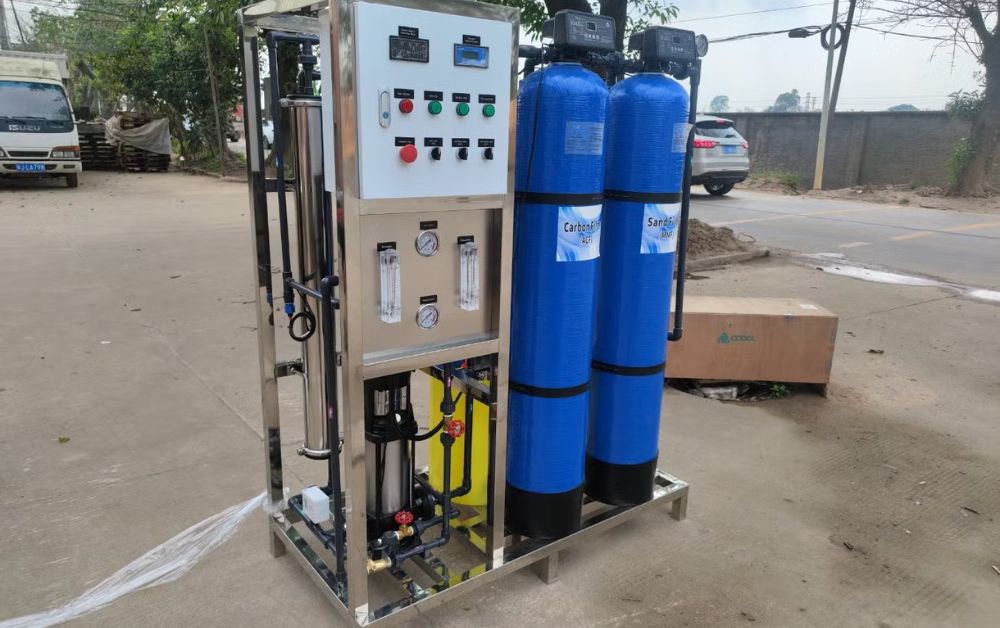
In Kenya, access to clean and safe drinking water is a growing concern. With the increasing demand for pure water, drinking water purifier machines in Kenya have become an essential part of daily life for many households and businesses. These machines ensure that water is free from contaminants, providing families with safe water for drinking, cooking, and other purposes.
However, just installing a water purifier isn’t enough to guarantee its long-term effectiveness. To maintain its optimal performance and ensure that you are getting clean water at all times, regular maintenance and cleaning are crucial. In this blog, we will discuss the best practices for maintaining and cleaning your water purifier machine in Kenya, keeping it efficient and effective for years to come.
Why is Maintenance and Cleaning Important?
1. Ensuring Clean Water
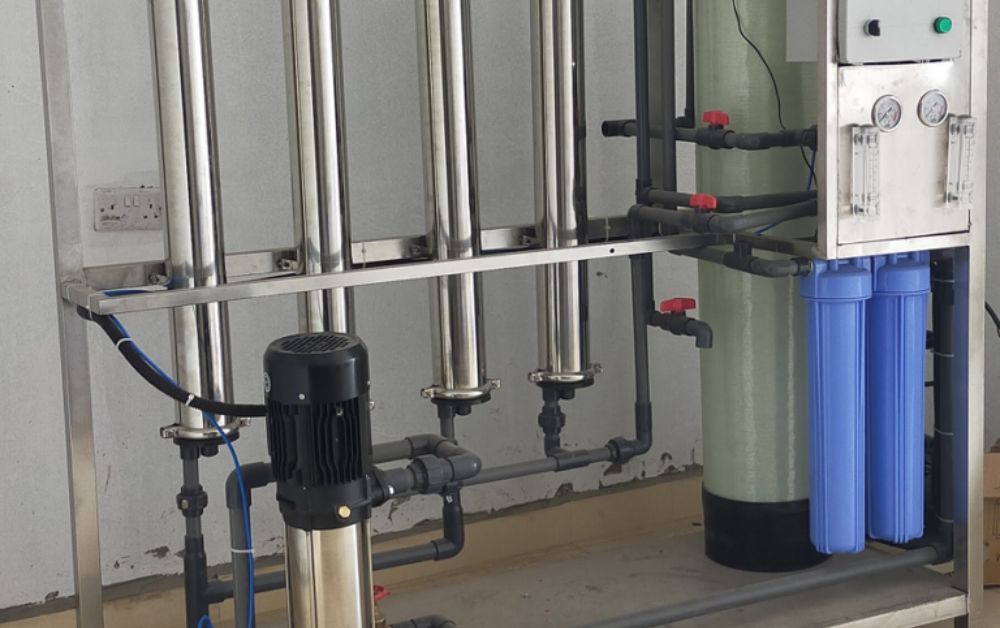
Over time, water purifiers collect dirt, dust, and mineral deposits from the water they filter. If these impurities are not removed, they can reduce the effectiveness of the filtration process, making the water unsafe to drink. Regular cleaning and maintenance ensure that the purifier continues to function properly and delivers clean water consistently.
2. Extending the Life of the Machine
Routine cleaning and maintenance can significantly extend the lifespan of your drinking water purifier machine in Kenya. Like any other appliance, neglecting regular upkeep can lead to premature wear and tear, leading to expensive repairs or even the need to replace the machine altogether. By properly maintaining your purifier, you can avoid these unnecessary costs and continue to enjoy clean water for a longer period.
3. Preventing Health Risks
A poorly maintained water purifier can become a breeding ground for bacteria, mold, and other harmful pathogens. If these contaminants are not removed, they can contaminate the water, potentially leading to health risks such as waterborne diseases. Regular maintenance ensures that your purifier operates at its best, reducing the risk of exposure to these harmful microorganisms.
Steps to Maintain and Clean Your Water Purifier Machine
1. Turn Off and Disconnect the Power
Before cleaning or maintaining your drinking water purifier machine in Kenya, always turn off the power supply and disconnect the unit from the electrical outlet. This ensures that there are no electrical hazards during the cleaning process.
2. Change the Filter Regularly
The filter is one of the most crucial components of a water purifier, as it is responsible for removing contaminants from the water. Over time, the filter becomes clogged with dirt, dust, and other particles, which can reduce its effectiveness. It’s essential to replace the filter according to the manufacturer’s recommendations.
For most water purifiers, the filter should be replaced every 6-12 months, depending on the frequency of use and the quality of the water being filtered. Make sure to use high-quality replacement filters that are compatible with your machine. If you’re unsure about which filter to choose, consult the user manual or contact the manufacturer for guidance.
3. Clean the Tank and Dispensers
The storage tank and water dispensers of your water purifier should be cleaned periodically to remove any build-up of minerals, dust, or bacteria. These areas can accumulate contaminants over time, especially if the machine is not cleaned regularly.
To clean the tank, follow these steps:
- Remove the tank from the purifier and empty it completely.
- Use a mild detergent or a mixture of water and vinegar to scrub the inside of the tank.
- Rinse the tank thoroughly with clean water to remove any soap or vinegar residue.
- Wipe the tank with a clean, dry cloth before reattaching it to the purifier.
For dispensers, simply wipe them with a soft cloth to remove any dirt or grime. Avoid using harsh chemicals or abrasive scrubbers, as they can damage the surface of the dispenser or tank.
4. Descale the Purifier
In Kenya, where hard water is common in many areas, mineral deposits like calcium and magnesium can build up inside the purifier over time. These deposits, also known as scale, can block the filters and affect the performance of the machine.
To descale your water purifier:
- Use a descaling solution that is specifically designed for water purifiers. These solutions are readily available at most appliance stores.
- Alternatively, you can use a mixture of white vinegar and water (in a 1:1 ratio) to remove the mineral deposits.
- Pour the descaling solution into the water tank and let it sit for about 30 minutes.
- Afterward, rinse the tank thoroughly with clean water to remove any traces of the descaling solution.
Descaling should be done every 3-6 months, depending on the hardness of the water in your area.
5. Check for Leaks and Malfunctions
Inspect your drinking water purifier machine in Kenya regularly for any signs of leaks, cracks, or malfunctions. If you notice water pooling around the machine, or if the purifier is not functioning correctly, it may be time for a professional inspection or repair. Always follow the manufacturer’s instructions for troubleshooting common issues.
6. Clean the UV Lamp (If Applicable)
If your water purifier uses a UV lamp to kill bacteria and viruses, it’s essential to clean the lamp regularly. Over time, dust and grime can accumulate on the UV lamp, reducing its effectiveness. To clean the UV lamp:
- Turn off the machine and disconnect the power supply.
- Gently wipe the lamp with a soft, damp cloth to remove any dust or debris.
- Be careful not to damage the lamp, as it is delicate.
Cleaning the UV lamp should be done every 6 months to ensure it operates efficiently.
Final Thoughts on Maintenance and Cleaning
Maintaining and cleaning your drinking water purifier machine in Kenya is crucial for ensuring that you always have access to safe and clean drinking water. By following these simple cleaning and maintenance steps, you can enhance the performance, longevity, and effectiveness of your water purifier.
Regular maintenance not only extends the life of the purifier but also prevents health risks associated with contaminated water. Make sure to follow the manufacturer’s guidelines and consult a professional if you encounter any issues with the machine.
Conclusion: Blackwood Hodge — Your Trusted Partner in Water Solutions
When it comes to providing reliable and efficient drinking water purifier machines in Kenya, Blackwood Hodge is a trusted name. Their high-quality products and exceptional customer service ensure that you have the best solutions for safe drinking water. Whether you need a new water purifier or expert advice on maintaining your current machine, Blackwood Hodge is here to help you every step of the way.