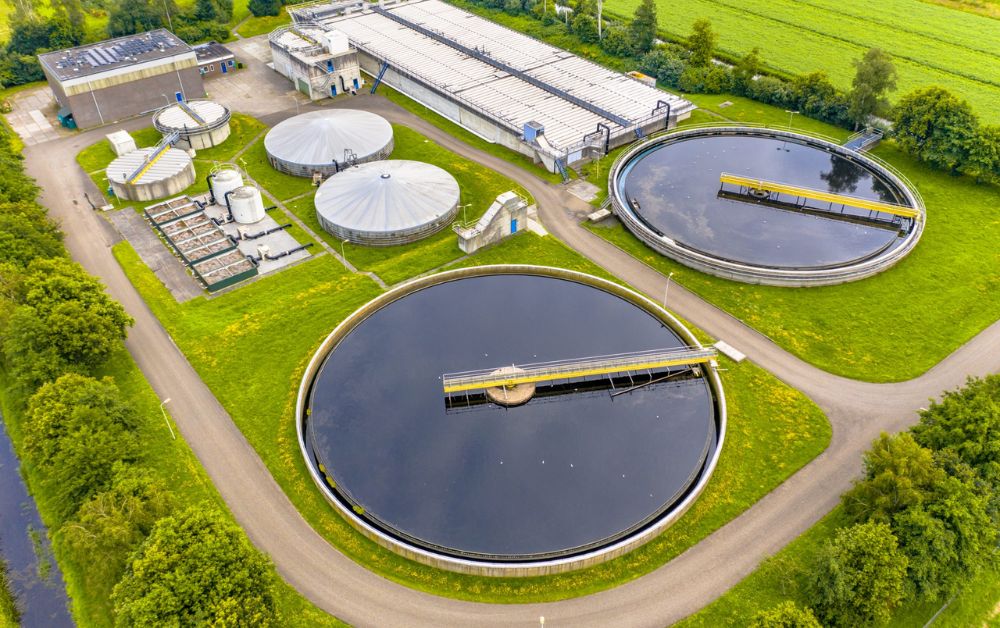
Introduction: The Challenge of Urbanization
As Kenya’s cities expand and urbanize, the demand for efficient infrastructure systems, including water and sewage, becomes more pressing. Nairobi, Mombasa, Kisumu, and other rapidly growing urban areas are facing increasing challenges related to population growth, industrialization, and urban sprawl. One of the most crucial yet often overlooked aspects of urban development is sewage infrastructure. Proper waste management systems are essential for ensuring public health, environmental sustainability, and overall quality of life.
In Kenya, the importance of a reliable sewage infrastructure cannot be overstated. It plays a critical role in managing wastewater, preventing waterborne diseases, and protecting the environment. As cities continue to grow, addressing the challenges surrounding water and sewage becomes imperative to avoid major public health crises.
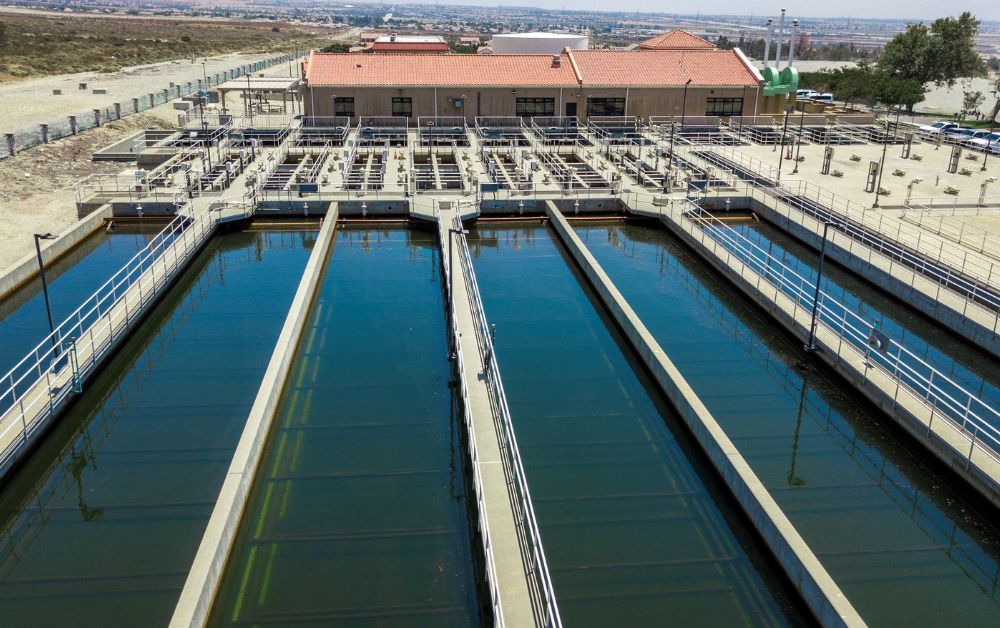
The Growing Need for Sewage Infrastructure
1. Population Growth and Urbanization
Kenya is experiencing rapid urbanization, with the population of major cities steadily increasing. According to the World Bank, Kenya’s urban population is projected to double by 2030. This rapid growth places a significant strain on existing sewage infrastructure, which was not designed to handle such a large and growing population. Many urban areas still rely on outdated or inadequate sewage systems that are unable to meet the current demand.
The lack of proper sewage infrastructure can lead to the contamination of water sources, creating a breeding ground for diseases such as cholera, typhoid, and dysentery. With a larger urban population comes an increased volume of waste, making it essential to develop and expand sewage systems to accommodate these needs.
2. Environmental Sustainability
Kenya’s cities are not just growing in terms of population, but also in industrialization. Factories, commercial buildings, and new residential areas are contributing to an increased amount of wastewater. If not managed properly, this wastewater can pollute rivers, lakes, and other natural water sources, leading to environmental degradation.
Untreated sewage can also disrupt ecosystems, harming aquatic life and affecting agriculture, which is a vital part of Kenya’s economy. For instance, the pollution of Lake Victoria, one of Kenya’s most important water bodies, has significant implications for both environmental and economic health. A well-developed sewage system is crucial to preventing the contamination of Kenya’s natural resources and maintaining ecological balance.
3. Public Health Concerns
One of the most important reasons for investing in proper sewage infrastructure is public health. In areas where sewage systems are inadequate or non-existent, waste management becomes a serious concern. In many informal settlements across Kenya, residents rely on pit latrines, septic tanks, or open drains, which can overflow or leak, leading to the contamination of drinking water and exposure to harmful pathogens.
This poses serious risks to public health. Waterborne diseases, including cholera, dysentery, and hepatitis, are common in areas with poor sewage management. These diseases can spread rapidly, especially in densely populated areas, putting a strain on healthcare systems and causing unnecessary loss of life.
4. Economic Growth and Livability
Sewage infrastructure plays a crucial role in supporting Kenya’s growing economy. A well-functioning sewage system is essential for the smooth operation of businesses, industries, and residential areas. Without a reliable waste management system, urban areas would struggle to attract investment, as investors are unlikely to set up operations in areas where basic infrastructure is lacking.
Furthermore, the quality of life in cities is directly impacted by the availability of efficient sewage systems. Clean, healthy environments attract people to live and work in urban areas, contributing to economic development. The presence of adequate sewage infrastructure makes a city more livable, fostering an improved standard of living for its residents.
5. Climate Change and Flooding
Kenya is increasingly experiencing the effects of climate change, with more frequent floods and heavy rainfall. Flooding can overwhelm poorly designed sewage systems, leading to widespread contamination and property damage. Inadequate sewage infrastructure exacerbates the impact of floods by preventing wastewater from being properly channeled, leading to further waterlogging and pollution.
Investing in modern sewage systems that are designed to handle extreme weather events is crucial to mitigating the impact of floods. This will ensure that cities remain resilient to climate change, maintaining a functional sewage infrastructure in both wet and dry conditions.
Water and Sewage Solutions in Kenya
Given the importance of sewage infrastructure, there is a growing need for innovative water and sewage solutions in Kenya. The government, private sector, and communities must work together to develop sustainable solutions that can keep up with the rapid urban growth and the associated challenges.
Innovative technologies, such as decentralized sewage systems, wastewater recycling, and smart water management solutions, can help address the sewage infrastructure gap. These systems can be implemented in both urban and rural areas to improve waste management, reduce water contamination, and conserve resources.
Role of Private Sector in Addressing Sewage Challenges
In Kenya, private sector involvement is crucial to solving the challenges related to sewage infrastructure. Private companies specializing in water and sewage solutions are key players in providing expertise, technology, and investment to improve urban sanitation systems. These companies can work with local authorities to design and implement sewage solutions that are both cost-effective and scalable.
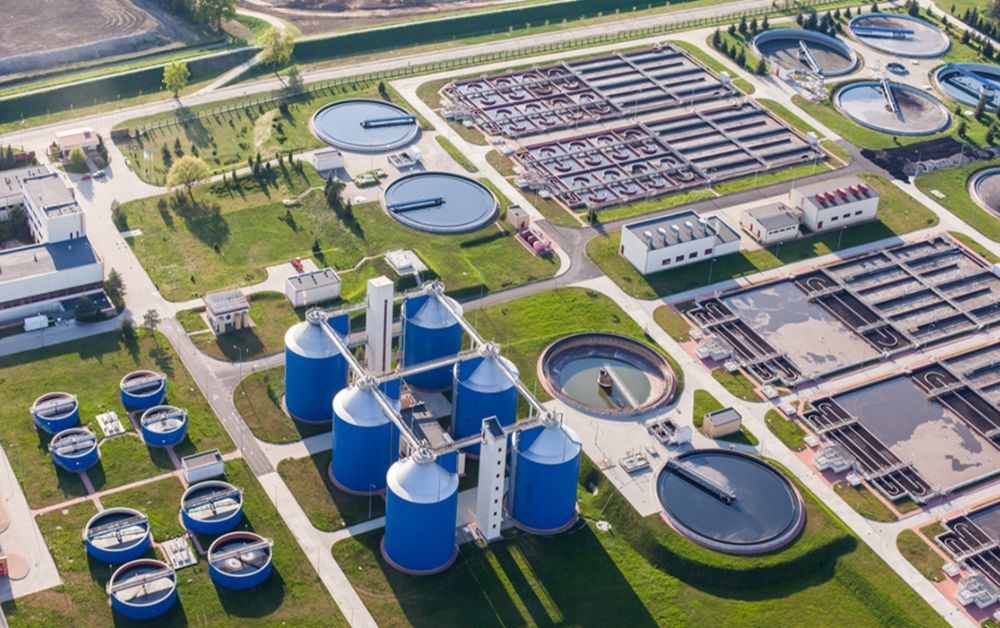
Conclusion: Blackwood Hodge — A Trusted Partner for Sewage Solutions
As Kenya’s cities continue to grow, it is clear that investing in sewage infrastructure is not just a matter of urban planning; it is a matter of public health, environmental protection, and economic prosperity. While the government plays a critical role in developing large-scale sewage systems, private sector companies like Blackwood Hodge are essential in providing cutting-edge water and sewage solutions.
Blackwood Hodge, with its experience and expertise, offers reliable, sustainable, and efficient sewage solutions that help improve sanitation in Kenya’s growing cities. From designing and installing sewage systems to providing maintenance and support, Blackwood Hodge is committed to ensuring that Kenyan cities have the infrastructure they need to support healthy, prosperous, and resilient communities.